

Walking into your first dental surgery appointment brings natural anxiety. Knowing what happens before, during, and after your procedure turns worry into confidence. Whether you need an extraction, an implant, or a root canal, the right preparation helps. It makes your experience smoother and recovery faster.
Key Takeaways
- Your pre-surgery consultation includes a medical history review and CBCT imaging to map the surgical site.
- Sedation ranges from local anesthesia to IV sedation, with all approaches achieving strong patient satisfaction
- Protecting the blood clot at your extraction site prevents dry socket, the most common post-op complication
- Ice packs, soft foods, scheduled pain medication, and follow-up visits speed your recovery
- Common questions about fasting, numbness, and bleeding expectations are answered below
Pre-Surgery Consultation and Medical History Review
Your consultation builds the foundation for a safe, successful procedure. Your dental team reviews every medication you take. Blood thinners and heart medications get special attention because certain drugs affect clotting.
Medications and Medical Conditions Your Team Needs to Know
Patients on warfarin or other anticoagulants coordinate with both their dentist and physician. Together, they adjust dosing to protect your heart while allowing proper healing.
Medical conditions also require careful planning. Heart disease patients might need antibiotic coverage before treatment. People with artificial heart valves or joint replacements face higher infection risks. Your dental specialist identifies these factors early and creates a safe treatment plan.
How Advanced Imaging Maps Your Surgical Site
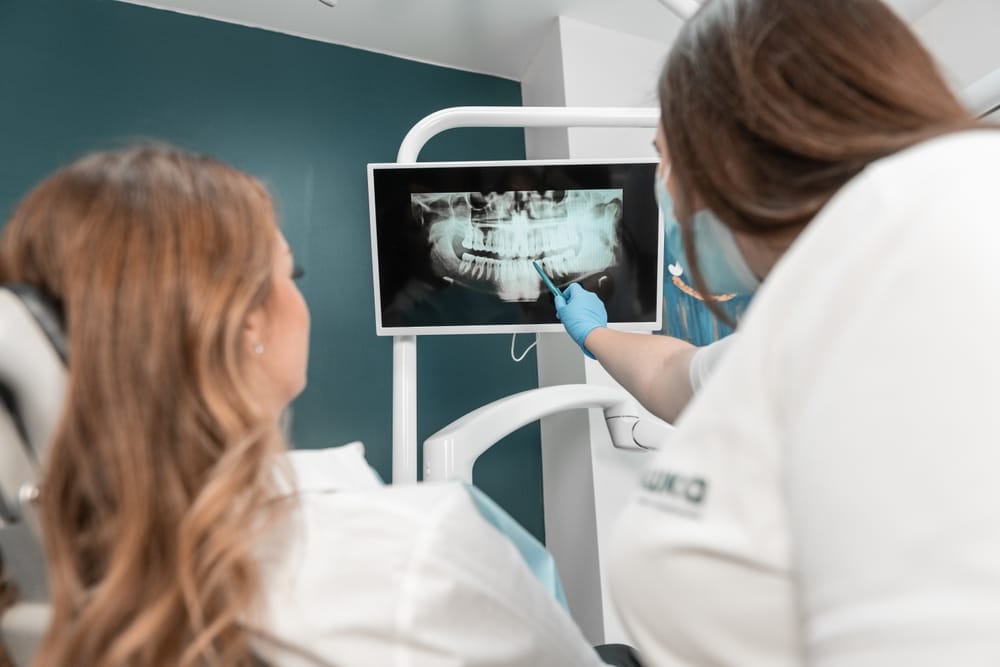
Advanced imaging gives your surgeon a detailed roadmap. Panoramic X-rays show the big picture of your jaw. But cone beam computed tomography goes further, offering volumetric data on jaw bones.
CBCT scans create 3D images that reveal bone thickness, nerve locations, and hidden problems. These scans pinpoint exactly where safe placement can happen. They also help avoid nerve damage during wisdom tooth removal.
Your surgeon uses this imaging to plan every step. They measure distances to critical structures. They identify the best angles for implant placement. Spotting complications before the procedure starts makes everything safer.
Fasting, Blood Thinners, and Day-Before Prep
Fasting prevents dangerous complications while under sedation. Evidence-based guidelines recommend 2–3 hours for clear liquids and at least six hours for solid foods. Your team gives exact timing based on your appointment and sedation type. Following these rules prevents last-minute cancellations.
Blood thinner management needs careful timing too. Some medications can pause safely for a few days. Others need a different approach.
Your physician decides based on your specific health risks. Never stop blood thinners without medical approval.
Sedation affects your judgment and reflexes for hours. You cannot drive safely, even if you feel fine. Arrange for a ride home and someone to stay with you.
Prepare your recovery space before procedure day. Stock soft foods like yogurt, applesauce, and soup. Buy ice packs and extra pillows. Fill prescriptions early so everything is ready.

Sedation Options and IV Sedation for Patient Comfort
Sedation choices match your anxiety level and medical needs. Local anesthesia works well for patients comfortable in the dental chair. The injection stings briefly, then the area goes completely numb.
Local Anesthesia and Nitrous Gas: Lighter Sedation Options
You stay alert throughout with local anesthesia. Most tooth extractions and root canal procedures use only local anesthesia.
Nitrous gas adds relaxation without deep sedation. You breathe it through a small nose mask during treatment. It creates a calm, floating feeling while keeping you responsive.
Effects wear off within minutes. Most patients drive home afterward.
Oral Conscious Sedation and IV Sedation: Deeper Comfort
Oral conscious sedation uses prescribed pills taken before your appointment. These medications create deeper relaxation and often cause drowsiness. Many patients remember little of their procedure. You need a driver because effects last several hours.
IV sedation provides the deepest conscious sedation in dental offices. Medications go directly into your bloodstream through a small needle. Your surgeon adjusts your comfort level throughout. Most patients feel like they slept through the entire process.
How Your Health History Shapes the Right Choice
Your medical history influences which option works best. Heart problems might limit certain medications. Breathing issues could rule out deeper sedation. Previous bad reactions to anesthesia guide future choices.
Anxiety levels help determine the right approach. Mild nervousness might only need local anesthesia with good communication. Moderate anxiety often responds well to nitrous gas. Severe dental chair anxiety usually calls for IV sedation.
Systematic reviews confirm that conscious sedation is effective in reduction of patient pain and anxiety. All approaches achieve similar satisfaction rates when paired with the right patient. Success depends on matching the method to individual needs.
Procedure complexity also guides the decision. Simple extractions rarely need more than local anesthesia. Dental implant surgery often uses IV sedation for comfort during longer procedures. Bone grafting typically requires deeper sedation due to extended time.

Post-Surgery Recovery and Preventing Dry Socket
Recovery centers on protecting the blood clot that forms in your extraction site. This clot acts like a natural bandage over exposed bone and nerves. Losing it creates dry socket, one of the most common complications after a tooth extraction.
What Dry Socket Is and Why It Happens
Dry socket develops when the protective clot dissolves or dislodges. This exposes sensitive bone and nerve endings to air, food, and bacteria. Patients report severe pain developing 2 to 3 days after the procedure. Pain often radiates to your ear or neck on the same side.
Smoking creates the highest risk for dry socket. The sucking motion can pull the clot loose. Chemicals in tobacco slow healing by reducing blood flow. Avoid all smoking and vaping for at least 72 hours.
Drinking through straws creates similar suction that threatens the clot. Stick to cups or bottles for the first few days. Avoid forceful spitting too. Let saliva drain gently instead.
Cleaning, Eating, and Managing Pain After Surgery
Gentle salt water rinses keep the site clean without disturbing healing tissue. Mix half a teaspoon of salt in warm water and swish gently. Start 24 hours after the procedure. Rinse two to three times daily, especially after meals.
Continue brushing other areas of your mouth normally. Just avoid the surgical site for the first few days. Use a soft toothbrush near the healing area.
Ice packs control swelling best in the first 24 to 48 hours. Apply ice for 15 to 20 minutes on, then equal time off. Continuous icing can actually slow healing. After two days, switch to warm compresses to boost blood flow and ease jaw stiffness.
Soft foods provide nutrition without disturbing the site. Yogurt, smoothies, mashed potatoes, and scrambled eggs work well. Avoid hard, crunchy, or sticky foods. Stay hydrated, but skip hot liquids for the first day.
Pain medication works best on a schedule. Take it before discomfort builds rather than waiting for severe pain. Follow dosing instructions exactly. Some patients find alternating different types gives better control.
Accelerate Your Recovery with Proven Strategies
Smart recovery choices reduce discomfort and get you back to normal faster. The first 48 hours set the stage for healing. Your body starts forming new tissue during this critical window.
Sleep, Hydration, and the Foods That Help You Heal
Sleep position affects swelling and comfort. Keep your head elevated above your heart for the first few nights. Extra pillows or a recliner help. Lying flat increases swelling and worsens pain.
Water helps transport nutrients to the healing site. Avoid alcohol completely because it disrupts healing and interacts with pain medications. Caffeine in moderation is fine, but skip hot drinks on day one.
Protein builds new tissue. Vitamin C supports collagen formation. Soft options like eggs, fish, and smoothies work well.
Choose bananas and cooked vegetables over raw, crunchy produce. Skip citrus early on since it can irritate the site.
Medications, Rest, and Long-Term Healing
Take prescribed antibiotics exactly as your dentist directs, even if you feel better. Pain medications work best before discomfort gets severe. Set reminders to stay on schedule for consistent relief.
Keep your recovery space clean and quiet. Have entertainment options ready since boredom is common. Audiobooks and soft music work well.
Stress hormones slow tissue repair and increase inflammation. Practice deep breathing or gentle relaxation techniques. Let family members handle household tasks so you can rest fully.
Watch for signs of trouble. Pain that worsens after day three could signal dry socket or infection. Call your dental office right away.
Attend all follow-up appointments, even if you feel fine. Most patients resume regular eating and exercise within a week.
Long-term success depends on following your full treatment plan. If your extraction prepares for an implant, proper site care sets the stage. Following all instructions protects your investment in future dental health.
Nervous about dental surgery? You Won’t Be After This
Your first dental surgery feels far less intimidating once you understand every step. A thorough consultation with advanced imaging sets you up for a smooth procedure. The right sedation keeps you comfortable, and proven recovery strategies help you heal faster.
Dental Design Studios has guided many patients through similar procedures. We have a plan for every concern. Following our guidance closely during the first few recovery days makes the biggest difference.
Ready to take the next step toward better oral health? Schedule your consultation today.
FAQs
How long does dental implant surgery take?
A single implant typically takes one to two hours from start to finish. More complex cases involving multiple implants or bone grafting may need three to four hours. Your surgeon reviews your imaging and treatment plan beforehand to give you a personalized time estimate for your specific procedure.
What to eat after dental surgery?
Stick to soft, cool foods for the first few days. Yogurt, applesauce, mashed potatoes, scrambled eggs, and smoothies are great options. Avoid anything hot, crunchy, spicy, or sticky that could irritate the surgical site. Gradually reintroduce firmer foods as your comfort level improves and your dental team approves.
Why no dental work before surgery?
Routine dental cleanings or fillings can introduce bacteria into the bloodstream. Before a major medical procedure, your surgical team wants to minimize any infection risk. Dental work too close to your surgery date could cause inflammation or complications that delay your recovery. Always coordinate dental visits with your surgeon first.
How soon can I go back to work after having a tooth extracted?
Most patients return to desk work within 24 to 48 hours after simple extractions. More involved procedures like multiple extractions or bone grafts may need three to five days off. Your comfort level and the type of work you do both affect the timeline. Ask your surgeon for personalized guidance.
Is some bleeding normal after dental surgery, and when should i be concerned?
Light bleeding or pink-tinged saliva during the first 24 hours is completely normal. Bite gently on gauze to help control it. Contact your dental office if heavy bleeding does not slow with gentle pressure. Also call if bleeding continues past the first full day.