

Dental sedation gives patients a safe, manageable way to complete necessary dental work without fear or discomfort, as research confirms it can provide dental care to millions who otherwise would have unmet dental needs. Understanding what happens before, during, and after your appointment removes the uncertainty that causes many people to delay care. Each phase has specific steps, and knowing them helps you feel ready to move forward.
Key Takeaways
- Medical history screening and fasting rules help your dental team choose the safest sedation method for your health conditions
- Trained staff monitor your heart rate, blood pressure, and breathing throughout the entire procedure using specialized equipment
- Recovery time ranges from immediate alertness with nitrous oxide to several hours of supervision with IV medications
- Proper preparation helps patients with dental anxiety access the care they need for better oral health
- Specific questions about eating, driving, and aftercare are answered to address common patient concerns

Understanding Sedation Types and Pre-Appointment Preparation
Your dental team starts with a complete medical review before recommending any sedation option. StatPearls notes that a comprehensive medical evaluation should be conducted to minimize risks during and after sedation, covering heart conditions, breathing issues, and current medications that could cause dangerous interactions. This screening follows the American Society of Anesthesiologists classification system, which ranks patients from Class I to Class IV based on overall health.
Most dental patients fall into Class I or Class II. Class I means you are healthy with no significant medical concerns. Class II includes people with mild, well-controlled conditions like high blood pressure or diabetes. Your classification directly determines which sedation options are appropriate for you.
Nitrous Oxide Sedation
Nitrous oxide is the lightest available option. You breathe it through a small nose mask during treatment and stay fully awake and responsive throughout. The effects clear within minutes after the mask is removed, so you can drive home and return to your regular routine the same day.
Oral Conscious Sedation
Oral conscious sedation uses prescription pills taken before your appointment. Common medications include lorazepam and midazolam, both of which cause drowsiness while keeping you responsive. Most patients remember very little about the procedure, and the medication typically takes effect within 30 to 60 minutes.
IV Sedation
IV sedation delivers medication directly into the bloodstream for a deeper level of relaxation. Your dental team can adjust dosage in real time, making this method well-suited for longer or more complex procedures like dental implants or extensive restorations. You may drift into a light sleep but can still respond when spoken to.
General Anesthesia
General anesthesia produces complete unconsciousness and is reserved for complex cases such as multiple extractions or oral surgery. You will have no memory of the procedure. This level requires the most intensive monitoring and the longest recovery window. An anesthesiologist or specially trained dental professional typically performs it.
Pre-Procedure Fasting Guidelines
Fasting rules vary by sedation type. IV sedation and general anesthesia require no solid food for six hours before your appointment and no clear liquids for two hours prior. These guidelines prevent aspiration pneumonia, a serious condition that can occur if stomach contents enter the lungs during sedation. Nitrous oxide and minimal oral sedation patients usually have lighter restrictions, which your office specifies in advance.
Transportation Planning
You cannot drive after oral or IV sedation because the effects persist for up to 24 hours. Arrange a ride with a responsible adult who can stay with you through the early recovery period at home. Public transportation is not a safe option after these procedures. Bringing a comfort item like a blanket or personal playlist can also help reduce pre-appointment nerves.
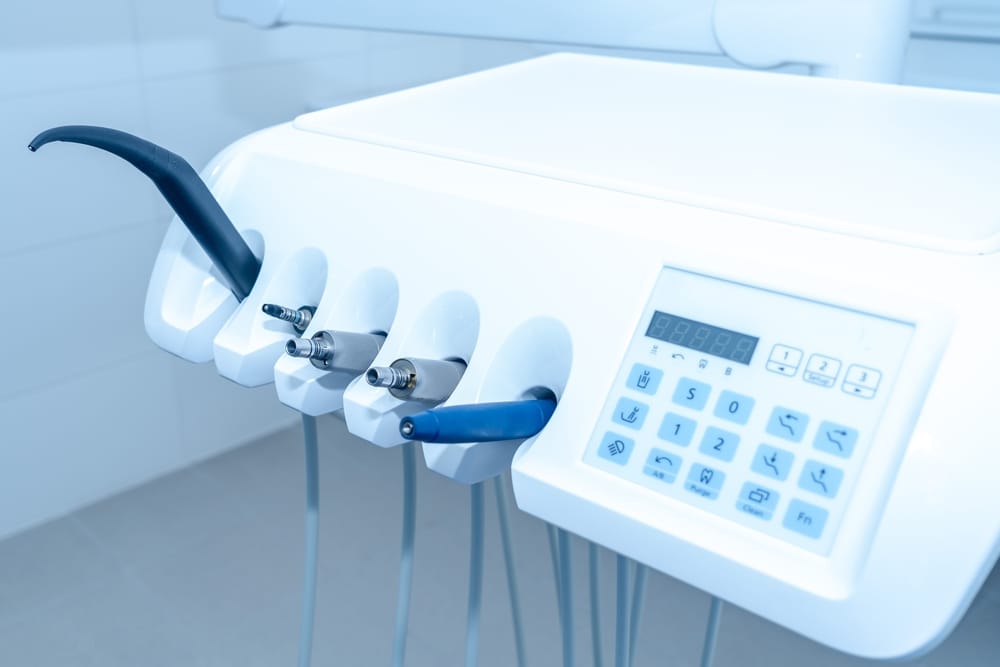
Safety Protocols and Continuous Patient Monitoring
Your dental team follows strict monitoring guidelines throughout the entire procedure. StatPearls specifies that monitoring must include continuous assessment of sedation levels through responsiveness to verbal commands, with vital signs including blood pressure, heart rate, oxygen levels, and breathing patterns tracked from the moment sedation begins.
Modern dental offices use dedicated equipment designed specifically for sedation procedures. Each device serves a distinct purpose in keeping you safe.
Specialized Monitoring Equipment
A pulse oximeter clips to your finger and measures oxygen saturation in real time. Normal readings stay above 95 percent, and any drop triggers an immediate response from the team. A blood pressure cuff checks cardiovascular status at regular intervals throughout treatment, and heart monitors watch for any rhythm changes that could signal a developing problem.
Respiratory monitoring adds another layer of safety by tracking breathing rate and depth. Sedation medications can slow breathing in some patients. Continuous observation allows the team to respond quickly before a minor change becomes a serious issue.
What the Numbers Mean for Your Safety
Each reading your team tracks has a specific threshold that guides their decisions. Oxygen saturation dropping below 95 percent signals the need for immediate action. Blood pressure changes outside your personal baseline prompt medication adjustments. Heart rate and respiratory readings together give the team a real-time picture of how your body is responding at every stage of the procedure.
Trained Sedation Teams
Sedation staff hold certifications in basic life support and advanced cardiac life support. Different sedation levels require different oversight. Oral sedation calls for more frequent blood pressure and oxygen checks as drowsiness deepens. IV sedation requires a dedicated team member who monitors vital signs continuously and does not assist with dental work at the same time.
Monitoring equipment connects to alarm systems that alert the team when readings fall outside safe ranges. This early warning structure catches minor fluctuations before they escalate.
Emergency Preparedness
The dental team prepares the recovery area and emergency supplies before your procedure begins. Reversal agents and oxygen delivery systems stay on hand throughout the appointment. The American Dental Association requires offices that provide sedation to maintain specific emergency equipment and staff training standards. Most offices also maintain relationships with nearby hospitals for situations that require a higher level of care.

Post-Sedation Recovery and Discharge Requirements
Recovery timelines depend on which sedation method your team used. Techniques to Administer Oral, Inhalational, and IV Sedation in Dentistry, published in BMC Oral Health, confirms that appropriate discharge criteria include stable vital signs and verified return to baseline function. Nitrous oxide clears within minutes, allowing you to drive and resume normal activity right away. Oral and IV sedation require a supervised recovery period in the office before discharge.
Your dental team checks vital signs at regular intervals during office recovery and does not release you until you meet specific safety benchmarks.
Recovery Timeline Expectations
IV sedation recovery in the office typically takes one to two hours. After leaving, the medication continues affecting your judgment and coordination for up to 24 hours. Your escort should stay with you at home during that window. Oral sedation recovery varies. Some patients feel alert within two hours while others remain drowsy for four to six hours, depending on the medication and their individual response.
What Affects How Fast You Recover
Several factors influence your personal recovery timeline. Research confirms that “age, gender, body mass index may influence recovery time, including the specific medication used and the length of your procedure. Patients who metabolize sedation medications more slowly may need a longer observation period before the team clears them for discharge. Your dental team accounts for these variables when setting discharge expectations at the start of your appointment.
Discharge Safety Criteria
Your blood pressure, heart rate, and oxygen levels must return to stable ranges before you are cleared to leave. You also need to show enough alertness to follow simple instructions and walk steadily without assistance. The dental team may ask you to complete a brief coordination task, such as walking a straight line, as part of the discharge evaluation.
Your escort receives written aftercare instructions and an after-hours contact number before leaving the office.
Post-Procedure Dietary Guidelines
Soft foods work best for the first day or two after sedation. Good options include:
- Yogurt, pudding, and smoothies
- Warm or room-temperature soup
- Mashed potatoes or soft scrambled eggs
Avoid hot liquids while local anesthesia is still active, as numbness increases burn risk. Stay well hydrated with water and avoid alcohol for at least 24 hours, since it can interact with residual sedation medication.
Pain Management and Comfort Measures
Your dentist will recommend appropriate pain relief for your specific procedure. Avoid aspirin products that can increase bleeding risk at surgical sites. Apply ice packs in 15-minute intervals during the first day to reduce swelling. Skip heavy lifting, strenuous activity, and bending for 24 to 48 hours to avoid disrupting blood clot formation.
The Sedation Dentistry Facts That Change Everything
Understanding dental sedation from preparation through recovery makes it far easier to move past hesitation and get the care you need. Proper screening, continuous monitoring, and clear aftercare guidelines work together to make each procedure as safe and comfortable as possible. If sedation sounds like the right fit for your situation, we can find the best option for your health and comfort goals!
FAQs
When should I stop eating before my sedation appointment?
Stop eating solid foods six hours before IV sedation or general anesthesia. Avoid clear liquids for two hours prior. Nitrous oxide and light oral sedation have fewer restrictions. Your dental office provides specific fasting instructions based on your sedation type and medical history.
How much does it cost for dental sedation?
Dental sedation costs vary depending on the type used. Nitrous oxide is the most affordable, typically ranging from $25 to $100. Oral sedation runs $150 to $500, and IV sedation can cost $250 to $900 or more. Check with your dental office about insurance coverage and financing options.
Is dental sedation safe?
Dental sedation is safe when administered by a trained dental team following established protocols. Your provider reviews your full medical history before selecting a method. Vital signs are monitored throughout the procedure. Serious complications are rare. Patients with certain health conditions may have limitations, so always disclose your complete medical history beforehand.
How do you choose a dental sedation level?
Your dental team chooses the sedation level based on your anxiety level, medical history, procedure length, and overall health. Mild anxiety typically calls for nitrous oxide, while more complex procedures or stronger fear responses may require oral or IV sedation. Your input and comfort level are part of the decision.
How long does dental sedation last?
The duration depends on the type used. Nitrous oxide wears off within minutes of stopping the gas. Oral sedation effects can last four to six hours. IV sedation typically clears within one to two hours in the office but can affect judgment and coordination for up to 24 hours afterward.