

A dental bridge is a fixed restoration that replaces a missing tooth. It anchors an artificial tooth to the natural teeth or implants beside the gap. This restores your bite, speech, and smile in one solution.
Left untreated, a missing tooth changes your jaw, gums, and nearby teeth over time. These changes get harder to reverse the longer you wait. Understanding your options protects your long term oral health.
Key Takeaways
- A bridge anchors an artificial tooth to nearby teeth or implants to fill a gap.
- Untreated tooth loss causes bone loss, shifting teeth, and a higher risk of gum disease.
- Bridge types include traditional, cantilever, Maryland, and implant-supported options.
- The right tooth replacement depends on bone density, gum health, and how many teeth are missing.
- A dental professional can help you choose the best long term option for your smile.
Types of Dental Bridges: Traditional, Cantilever, Maryland, and Implant-Supported, which one wins?
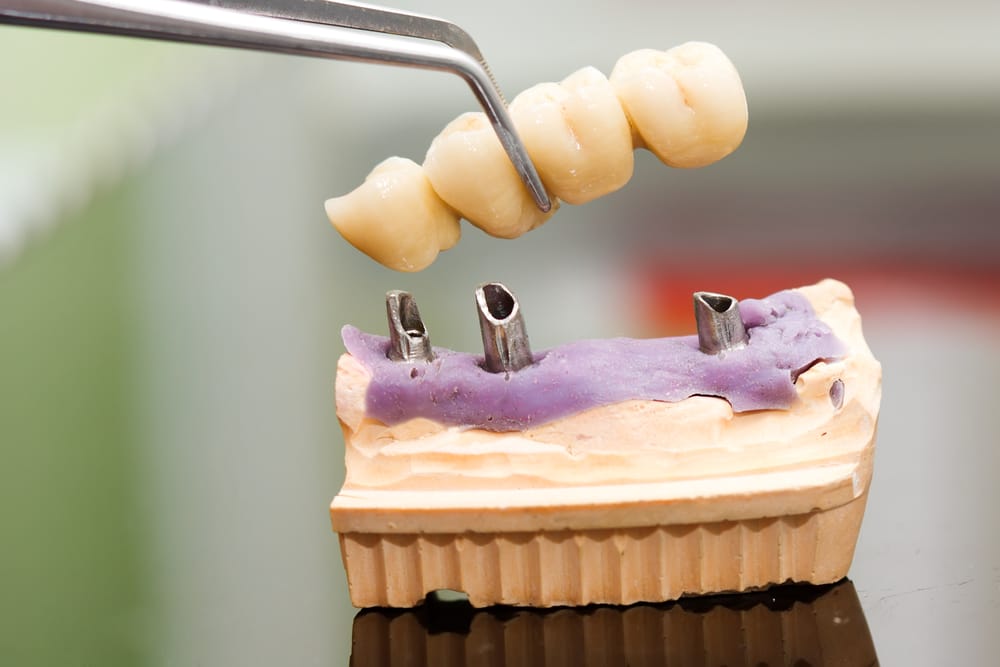
A bridge replaces one or more missing teeth by holding an artificial tooth, called a pontic, in the gap. The teeth on either side, called abutment teeth, receive crowns that hold the bridge in place.
A review published by the NCBI Bookshelf confirms that fixed dental bridges serve both functional and cosmetic needs, with proper care supporting a lifespan of about 10 years. However, daily wear can shorten that timeline. Four main bridge types exist, and each fits a different clinical situation. Every bridge type aims to restore comfortable chewing and a natural-looking smile.
Traditional Bridges
A traditional bridge is the most common type. Crowns go on both abutment teeth, and the pontic sits between them.
A dental lab makes the bridge, then cements it into place. This requires removing some enamel from the neighboring teeth. That change is permanent, so those teeth will always need crowns. Traditional bridges handle daily chewing forces well and suit gaps of one or two teeth.
Cantilever Bridges
A cantilever bridge anchors to only one abutment tooth. This works when just one natural tooth sits next to the gap.
All chewing force lands on that single anchor, so these bridges suit lower stress areas of the mouth. A dental professional checks whether the tooth can handle that load first. This bridge type works best toward the front of the mouth, where bite forces stay lighter.
Maryland Bridges
Maryland bridges, also called resin-bonded bridges, skip the crowns entirely. Metal or ceramic wings bond to the back of the neighboring teeth using resin cement.
A case review published in Cureus notes that this approach should stay minimally invasive and remain within the enamel whenever possible. This makes Maryland bridges a lower impact choice, though they may not hold up under heavy biting force. Many patients like this option because it preserves more of the original tooth surface.
Implant-Supported Bridges
An implant-supported bridge skips natural abutment teeth altogether. Titanium posts go directly into the jawbone and act as artificial tooth roots.
Because no neighboring teeth need crowns, this option preserves healthy tooth structure. The process involves oral surgery and takes longer than a traditional bridge, but it also helps slow bone loss. Many patients choose this option for its stability and its long-term impact on jawbone health.
Bridges can use porcelain, gold alloy, or a mix of both, depending on where they sit in the mouth. Most procedures start with local anesthesia and tooth preparation. Impressions follow, then a temporary bridge while the lab builds the final piece. Your dentist will recommend a material and bridge type based on your bite, budget, and aesthetic goals. Ask about maintenance needs before choosing a final option.
What happens to your oral health when missing teeth go untreated? You’ll Want to Read This
Tooth loss is not just a cosmetic concern you can put off. When a tooth goes unreplaced, the bone, nearby teeth, and gum tissue all begin to shift (mesial drift of adjacent teeth). This is why dental professionals recommend replacing a missing tooth as soon as possible.
Bone Loss in the Jaw
A tooth root signals the jawbone every time you bite or chew. That pressure keeps the bone dense.
Once the root is gone, the bone stops getting that signal and starts to shrink, a process called bone resorption. Implant-supported bridges help because the posts mimic that same pressure, slowing bone loss. This is one reason dentists recommend addressing tooth loss sooner rather than later. Jawbone changes can also affect the fit of dentures placed later in life.
Shifting Teeth and Bite Problems
Teeth beside a gap rarely stay put. Without a neighbor pressing against them, they drift toward the open space.
This throws off bite alignment and changes how upper and lower teeth meet. How teeth come together is termed occlusion; uneven bite function can lead to worn enamel, jaw discomfort, and, in some cases, temporomandibular joint disorder. Over months or years, this drift can create new gaps and crowding elsewhere in the mouth. Left long enough, this shifting can complicate future bridge or implant placement.
Gum Disease and Tooth Decay Risk
A gap in the smile is hard to keep clean. Food and bacteria collect in spots a toothbrush cannot reach easily.
That buildup raises the risk of gum disease and tooth decay in the teeth around the gap. Gum tissue with no tooth beneath it can recede or become inflamed. Routine brushing and flossing become harder to do effectively once teeth begin shifting. Keeping the area clean becomes part of protecting your whole smile.
Changes to Daily Function
Missing a tooth affects speech, chewing, and everyday comfort. Many people avoid certain foods or change how they chew to work around the gap.
Treating tooth loss early gives you the best chance of avoiding these problems before they take hold. Many patients notice these changes gradually, which makes early treatment easy to overlook. Replacing the tooth early keeps your bite balanced and your daily routine simple.
Choosing the Right Tooth Replacement: Bridges, implants, and partial dentures, which should you pick?
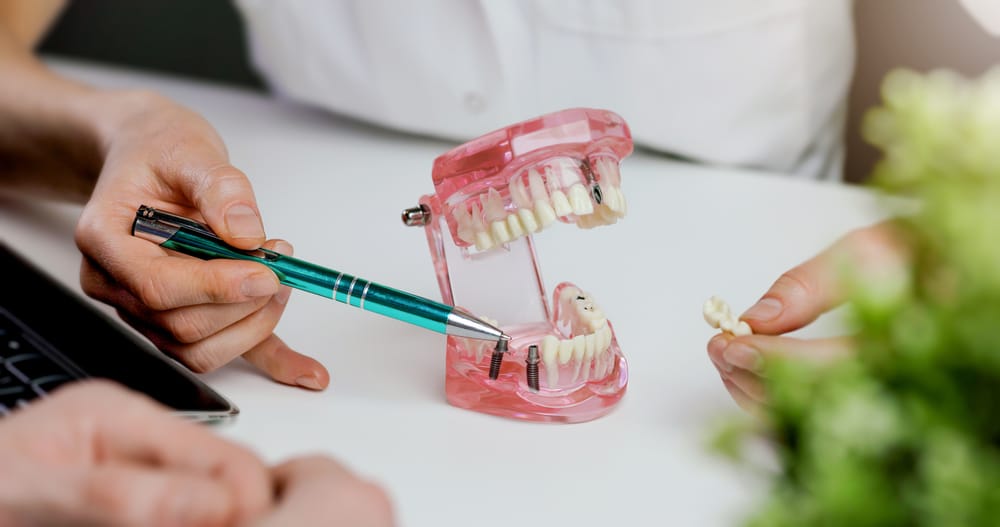
Tooth replacement is not a single decision with one universal answer. The right option depends on your mouth. That includes how many teeth are missing, abutment tooth health, bone density, and gum condition, and a case report in PubMed Central notes that choosing well requires thorough treatment planning and technical expertise. A dental professional weighs all of these factors before making a recommendation. This is why a personalized evaluation matters more than a one-size-fits-all recommendation. Age, oral hygiene habits, and past dental work can also factor into this decision.
What a Dental Evaluation Covers
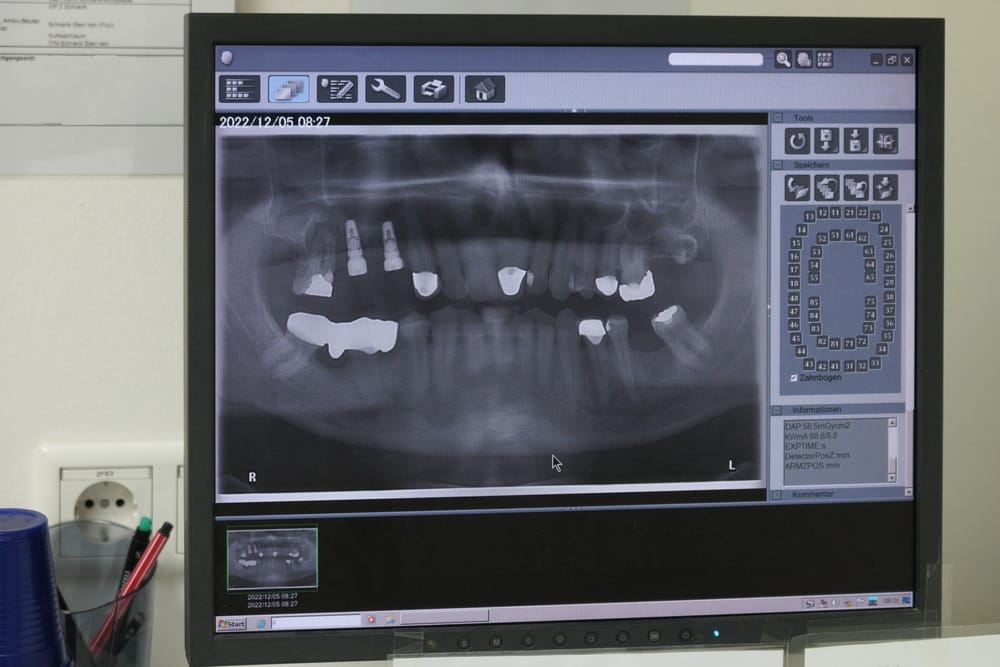
A tooth replacement visit typically includes a clinical exam, impressions, and imaging. Your provider checks abutment tooth strength, jawbone density, and gum health.
Long-term goals matter too. Someone who wants to keep natural teeth intact may prefer a Maryland bridge or an implant-supported bridge. Someone who needs a faster path may choose a traditional bridge instead. This evaluation gives your dentist a complete picture before recommending any treatment. Bringing questions to this visit helps you feel confident in the final plan. Write down any concerns beforehand so nothing gets missed.
Implant-Supported Bridges vs. Traditional Bridges
The core difference is what each option anchors to. A traditional bridge crowns the neighboring teeth, removing enamel and permanently altering them.
An implant-supported bridge anchors to implant abutments in the jawbone instead, leaving neighboring teeth untouched. Patients need enough bone density to support the posts, and those with bone loss may need grafting first. Many patients find implant-supported options worth the extra planning time involved.
Traditional Bridges vs. Partial Dentures
A traditional bridge stays fixed in place and functions much like a natural tooth. A removable partial denture comes out easily for cleaning, which some patients prefer, and it often costs less upfront.
Removable appliances can shift while eating or speaking, which frustrates many patients over time. Cost and lifestyle both play a role in choosing between these two paths.
When a Root Canal Comes First
If an abutment tooth has significant decay or infection, a root canal may come first. Treating that tooth protects the bridge’s long-term stability.
Skipping this step risks bridge failure, since the supporting tooth would not be healthy enough to hold it. This extra step protects your investment in the final restoration.
Cosmetic goals shape this decision too. Many patients choose porcelain that matches their natural tooth color. A dental professional can walk you through material choices that fit both function and appearance. Taking time to weigh these factors leads to a restoration that lasts.
What is a Dental Bridge Really Doing For You?
So, what is a dental bridge? It’s one of the most reliable ways to replace a missing tooth. It works without relying on a removable appliance. Left untreated, a gap leads to bone loss, shifting teeth, and a higher risk of gum disease and decay.
The right choice depends on how many teeth are missing, your bone density, and your long-term goals. We are here to help you find the option that fits your smile and your goals. If you are ready to explore your options, our team can walk you through every step!
FAQs
What makes an implant-supported bridge different from a traditional bridge?
A traditional bridge crowns the natural teeth on either side of the gap to anchor itself. An implant-supported bridge anchors to titanium posts in the jawbone instead, so neighboring teeth stay untouched. The posts also help slow bone loss by mimicking natural tooth root pressure.
How much does a dental bridge cost?
Dental bridge costs vary widely based on the bridge type, material, and how many teeth need replacing. Traditional and implant-supported bridges typically cost more than Maryland bridges due to added materials and lab work. Dental insurance often covers a portion. Your dentist can give you a personalized estimate after a full evaluation.
Is a dental bridge permanent?
Traditional and Maryland bridges are considered fixed, meaning they stay cemented or bonded in place and are not designed for daily removal. Implant-supported bridges are also fixed once integrated with the jawbone. None of these options last forever, though. Regular care and checkups help your bridge stay secure for years to come.
How long does a bridge last?
Most dental bridges last around 10 years with proper care, according to research from the National Library of Medicine. Daily brushing, flossing, and regular dental visits all help extend that lifespan. Bridges can wear down faster with heavy grinding or poor oral hygiene. Your dentist can catch issues early during routine checkups.
How do you replace a missing tooth?
Common options include a dental bridge, a dental implant, or a removable partial denture. The right choice depends on your bone density, gum health, and how many teeth are missing. A dental professional evaluates your mouth first, then recommends the option that best restores your bite, comfort, and smile long-term.