

Choosing between the different types of dental implants starts with understanding your bone density, jaw shape, and restoration goals. Each implant category fills a specific need, from replacing a single tooth to supporting a full arch.
Some options anchor directly into bone. Others sit above it. Materials range from proven titanium to newer ceramic alternatives. This guide covers the main implant styles, materials, and placement methods to help you find the right fit.
Key Takeaways
- Endosteal implants handle most procedures, with success rates above 95% when bone volume is adequate
- Subperiosteal, zygomatic, and mini implants solve challenges tied to bone loss and jaw anatomy
- Titanium remains the gold standard material, while zirconia offers a metal-free aesthetic alternative
- 3D CBCT scans and digital planning improve placement accuracy and lower complication risks
- Matching the right implant to your anatomy is the key to lasting results
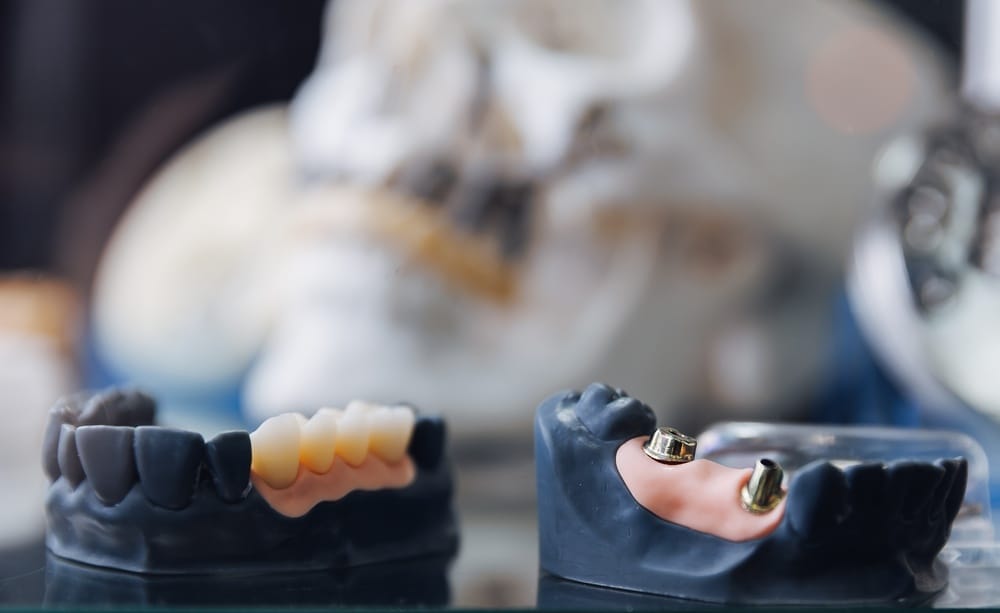
Endosteal Implants: The Most Common Solution
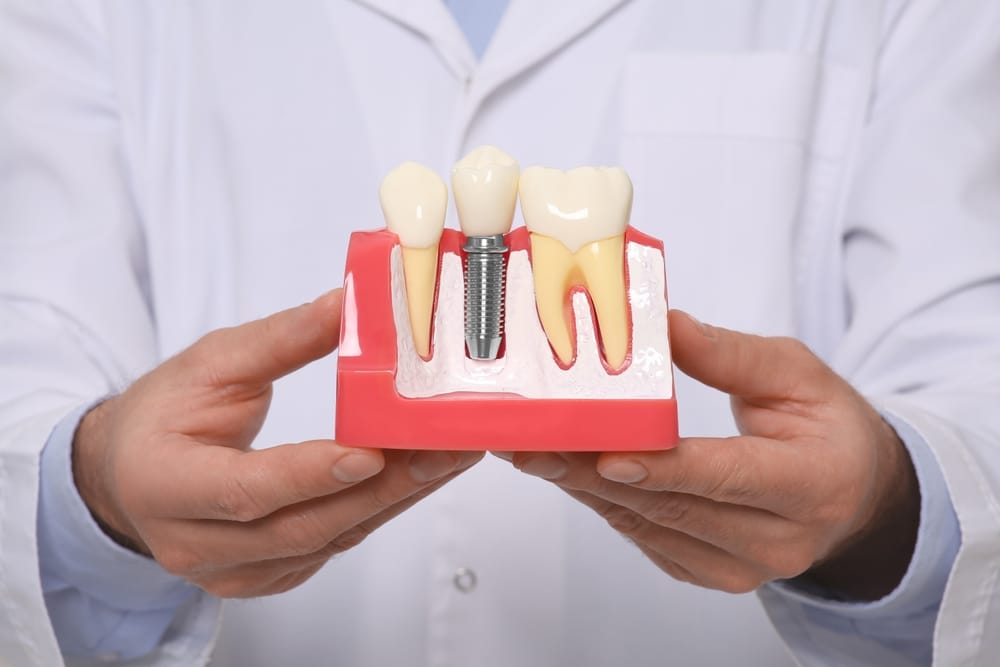
Endosteal implants lead modern tooth replacement as the most popular option. A titanium post or screw goes directly into your jawbone during a minor surgical procedure. This approach has become an integral treatment modality in dentistry, as reported in StatPearls, because of its reliability and long clinical track record.
How Endosteal Implants Work
Your bone fuses with the implant through osseointegration. This biological bond creates a stable anchor for your replacement tooth. Healing typically takes three to six months before the final restoration attaches.
Once healed, endosteal implants support several restoration styles. They work for single-tooth replacement, implant-supported bridges, and full-arch solutions like All-on-4. A single titanium screw holds a crown that looks and functions like a natural tooth.
For patients missing several adjacent teeth, these implants anchor bridges without cutting into healthy neighbors. Full mouth reconstruction uses four to six posts at strategic angles to support an entire arch.
Who Qualifies for Endosteal Implants
Success rates exceed 95% when adequate bone volume exists. Your jawbone needs enough thickness and density to secure the titanium post. Most patients who lost teeth recently or maintain good bone health qualify for this approach.
Titanium performs so well because your body treats it as biocompatible. Your immune system accepts the post rather than fighting it. Bone grows directly onto the implant surface during healing.
Modern surface textures speed up integration. Rough surfaces give bone cells more area to grip. Special coatings can cut recovery to as few as eight weeks.
What to Expect During Placement
Your dental team creates a precise opening that matches implant dimensions exactly. Specialized drills ensure proper depth and angle. The procedure uses local anesthesia, and most patients report only mild soreness afterward.
Alternative Implant Types for Challenging Cases
Not every patient has enough bone for traditional endosteal implants. Years of missing teeth cause bone resorption, where the jawbone gradually shrinks without root stimulation. Several alternative options address these challenges without bone grafting. Here are three your dental team may consider.
Subperiosteal Implants
These use a custom metal framework that sits above the bone but beneath the gum tissue. Modern versions are CAD designed and additively manufactured, per the International Journal of Implant Dentistry, for a precise fit against each patient’s jaw anatomy.
Instead of drilling into bone, the framework distributes chewing forces across the available bone surface. This works for patients who cannot undergo grafting due to medical conditions or personal preference. Subperiosteal implants support crowns, bridges, or complete dentures.
The design process uses detailed 3D scans of your jaw structure. A laboratory fabricates the framework to match your bone contours perfectly. Posts extend through the gum tissue to hold replacement teeth securely.
Zygomatic Implants
These longer implants bypass an atrophied upper jawbone entirely. They anchor into your cheekbone, which typically holds density even after years of tooth loss.
Zygomatic implants measure 30 to 55 millimeters versus 8 to 16 for standard sizes. This extra length reaches dense cheekbone tissue for stable anchorage. The approach allows immediate tooth replacement without months of bone grafting recovery.
Placement requires advanced surgical skills and careful pre-surgical planning. Your surgeon must navigate around the sinus cavity and other vital structures. Patients with severe upper jaw bone loss often find this the most direct path to fixed teeth.
Mini Dental Implants
Mini implants have a narrower diameter, ranging from 1.8 to 3.3 millimeters versus 3.4 to 6 for standard options. They work especially well for stabilizing snap-in implant dentures.
The smaller size requires less bone volume and causes less surgical trauma. Many patients receive prosthetic teeth the same day. Mini implants also fit in tight spaces where bone width cannot support full-sized options.
Patients who have worn dentures for years benefit most from this approach. Constant denture pressure accelerates bone loss over time. Mini implants can succeed in bone where standard sizes no longer fit.

Titanium vs Zirconia Implants: Material Considerations
Your implant material affects durability, aesthetics, and long-term outcomes. Two options lead the field today, and each one brings a distinct set of strengths to the table.
Why Titanium Leads the Field
Titanium has earned its reputation as the gold standard for the fabrication of endosseous dental implants, according to the journal Materials. This metal fuses with bone through osseointegration, creating a direct structural bond. Decades of research confirm both its biocompatibility and strength.
Your back teeth generate bite forces above 200 pounds per square inch. Titanium handles this stress without fracturing or loosening. Many patients keep their implants for 20 years or more with proper oral hygiene.
The two-piece design adds flexibility. Different abutment angles and crown materials let your dental team achieve natural results in difficult spots. Cost tends to run lower than ceramic alternatives, and insurance coverage applies more readily.
Zirconia as a Metal-Free Option
Zirconia appeals to patients seeking tooth-colored implant materials. These white ceramic implants, made from zirconium dioxide, blend with gum tissue naturally.
The tooth-like color matters most for front teeth. If thin gum tissue or recession reveals the implant margin, zirconia avoids the gray shadow that titanium can cause. The smooth surface also attracts less bacterial buildup.
Zirconia does carry trade-offs. The ceramic can be more brittle under extreme forces. Most zirconia implants use a one-piece design that limits flexibility compared to two-piece titanium systems. Manufacturing costs run higher as well.
Choosing the Right Material
For front teeth where appearance matters, zirconia offers clear aesthetic benefits. For back teeth handling heavy loads, titanium’s proven strength makes it the safer choice. Your dental team will recommend the best material for your specific case.
Digital Planning and Advanced Implant Placement Techniques
Modern implant procedures rely on 3D CBCT scans and CAD/CAM software that have facilitated reliable implant planning, as noted in Maxillofacial Plastic and Reconstructive Surgery. These advanced imaging technologies reveal bone density, nerve locations, and sinus position in high resolution.
How 3D CBCT Scans Help
CBCT scans produce cross-sectional images of your jaw from multiple angles. Your dental team sees exact bone dimensions and quality at each potential site. This data determines whether your case needs grafting and which implant size provides the best hold.
Planning software creates a virtual model of your mouth. Your team tests different implant positions and angles digitally before making a single incision. They compare single implants versus bridges versus full arch restorations in the same session.
Surgical Guides and CAD/CAM Technology
CAD/CAM technology then produces custom surgical guides. These snap over your teeth or gums during the actual procedure. Precise holes direct the drill to the exact position and angle from the digital plan.
Guided surgery typically achieves accuracy within one millimeter. This precision lowers the risk of nerve damage, sinus issues, and other complications. The same digital models guide fabrication of your final crowns or bridges for a proper fit.
The digital workflow benefits complex cases most. When placing four or six implants for a full arch, exact positioning drives long-term function. If scans show insufficient bone, your team can explore zygomatic implants or grafting.
Bone Density and Implant Success Factors
Your jawbone quality plays a major role in which implant approach will succeed. Bone density varies between individuals and changes after tooth loss. Several factors determine whether you qualify for standard placement or need an alternative route.
How Bone Loss Affects Your Options
The Hounsfield scale measures density on CBCT scans. Most successful placements occur in bone scoring between 250 and 850. Your dental team uses these readings to choose implant length, diameter, and technique.
Bone resorption starts right after tooth loss. Without root stimulation, the jaw gradually shrinks. Front teeth have thinner bone that resorbs faster, and the upper jaw loses volume more quickly than the lower jaw.
Health Factors That Impact Healing
Several health factors also affect outcomes. Smoking reduces success rates by impairing blood flow. Uncontrolled diabetes raises complication risks. Osteoporosis can weaken jaw bone quality over time.
Bone grafting restores volume when natural bone falls short. These procedures use donor bone or synthetic materials. The graft integrates over several months, then provides enough support for implant placement.
Still deciding between types of dental implants?
With so many types of dental implants available, most patients can find a match for their bone density and goals. From reliable endosteal implants to specialized zygomatic and mini options, modern methods restore both function and appearance.
The right material and placement strategy make all the difference for lasting results. Titanium and zirconia each bring distinct strengths. Digital planning technology helps your dental team map the ideal approach for your specific mouth. Explore your implant options at Dental Design Studios today!
FAQs
Which type of dental implant works best for replacing multiple teeth?
The best option depends on your bone density and specific situation. Endosteal implants can support bridges or full arch restorations like All-on-4. Alternative types may be necessary if bone loss prevents standard implant placement. Your dental team will recommend the most appropriate solution.
Are dental implants safe?
Yes, dental implants carry a strong safety record backed by decades of clinical research. Most patients experience no complications when a qualified dental team handles placement. Titanium and zirconia are both biocompatible, meaning your body accepts them naturally. Proper planning with 3D scans reduces risks even further.
How do dental implants work?
A small post goes directly into your jawbone, where it fuses with the surrounding bone through osseointegration. This creates a sturdy anchor that mimics a natural tooth root. Your dental team then attaches a custom crown, bridge, or denture on top. The result looks and functions like real teeth.
What are dental implants made of?
Most dental implants use titanium, a biocompatible metal your body accepts without rejection. Zirconia offers a newer, metal-free ceramic alternative with a tooth-like white color. Titanium provides proven strength for heavy chewing forces. Zirconia works well for front teeth where aesthetics matter most. Both materials support long-term success.
What are the 3 types of dental implants?
The three main options are endosteal, subperiosteal, and zygomatic implants. Endosteal posts go directly into your jawbone and suit most patients. Subperiosteal frameworks sit above the bone for patients lacking bone density. Zygomatic implants anchor into the cheekbone when the upper jaw has experienced severe bone loss.
Citations/Sources:
- Integral treatment modality in dentistry, StatPearls
- CAD designed and additively manufactured, International Journal of Implant Dentistry
- Gold standard for the fabrication, Materials
- Facilitated reliable implant planning, Maxillofacial Plastic and Reconstructive Surgery