

All on four dental implants offer a proven path back to normal eating, clear speech, and real confidence. Losing multiple teeth affects far more than appearance. It changes how you eat, how you speak, and how you show up in daily life. Here’s what happens after tooth loss and how one treatment can bring back what you’ve been missing.
Key Takeaways
- Tooth loss drops bite force from 547 N to about 55 N, severely limiting what you can eat
- Denture slippage affects speech clarity and drives social withdrawal
- Titanium posts fuse with jawbone to halt bone loss and restore chewing strength
- Treatment brings back the freedom to eat, speak, and smile without fear
- 3D imaging allows precise implant planning matched to your bone health
How Tooth Loss Destroys Chewing Function and Bite Force
Losing teeth causes a dramatic decline in chewing power. People with a full set of natural teeth generate roughly 547 N of bite force. Those wearing conventional dentures produce only about 55 ± 45 N in edentulous individuals, as reported in Dentistry Journal. That gap changes everything about how and what you can eat.
The Foods You Lose When Chewing Becomes a Struggle
Foods requiring strong chewing quickly become off-limits. Fresh apples feel too hard. Steak becomes impossible to manage. You swap crisp salads and raw vegetables for soft, processed options that lack real nutrition.
This dietary shift takes a real toll on your health. Your body struggles to get enough protein when you can’t chew meat properly. Fiber from raw vegetables and vitamins from whole fruits grow harder to access meal after meal.
How Poor Chewing Affects Digestion and Nutrition
Digestion suffers as well. Food that isn’t broken down in your mouth puts extra strain on your stomach. Over time, this leads to digestive issues and reduced nutrient absorption.
Many adults with missing teeth find their overall health declining alongside their diet. Without adequate bite force, nutrient-dense foods become inaccessible. The longer you go without restoring chewing function, the harder these nutritional gaps become to close.
Why Dentures Make Mealtime Harder, Not Easier
Eating also becomes emotionally draining. You worry about dentures moving mid-bite. Restaurants feel risky. Family dinners shift from moments of connection to sources of anxiety.
The social fallout builds gradually. You decline dinner invitations because eating in public feels embarrassing. You skip business lunches. The simple joy of sharing a meal with loved ones turns into something you avoid.
Conventional dentures often make the problem worse. They sit on your gums instead of anchoring to bone, limiting the force you can safely apply. Slippage forces smaller bites and slower chewing, turning every meal into a frustrating routine.

Speech Clarity and Social Interactions Suffer From Missing Teeth
Missing teeth change how you speak in ways that touch every conversation. When dentures slip, air flows differently through your mouth. Certain words become hard to pronounce, and clicking sounds draw unwanted attention.
The Link Between Tooth Loss and Depression
The psychological effects run even deeper. Tooth loss is significantly associated with depression, according to research published in Scientific Reports. You may catch yourself covering your mouth when you laugh. Speaking more quietly to hide dental problems becomes a habit. These small changes add up to serious social withdrawal.
Relationships suffer when you pull back from everyday interactions. Friends and family notice when you stop joining conversations or decline invitations. The fear of dentures shifting creates hesitation that affects your closest connections.
How Bone Loss Changes Your Face and Confidence
Your face also changes shape as bone loss progresses. Without tooth roots stimulating the jawbone, the bone gradually shrinks. This creates a sunken appearance around your mouth and cheeks, making you look older than you are.
Bone resorption after tooth loss speeds up visible facial aging. Facial support weakens, deepening lines around the mouth. Lips can appear thinner as they lose structural backing. These visible changes add to the emotional weight of living with missing teeth.
The Professional and Personal Cost of Unclear Speech
Professional situations become especially difficult. Clear speech matters in meetings, presentations, and client calls. When you worry about how you sound or look, confidence drops. You may pass on speaking opportunities or avoid roles that could grow your career.
Denture adhesives offer only short-term relief. The core problem is that conventional dentures can’t match the stability natural tooth roots provide. This instability affects both your speech and your willingness to engage in conversations that matter.
The emotional toll extends into personal relationships too. You might avoid phone calls over concerns about how you sound. Video calls add stress about your appearance. Even casual conversations can trigger anxiety about sounding natural.
The workplace impact goes beyond speech clarity alone. Professional confidence shapes how you present ideas and pursue advancement. When dental problems hold you back, career momentum stalls. Opportunities you once would have seized start passing you by.
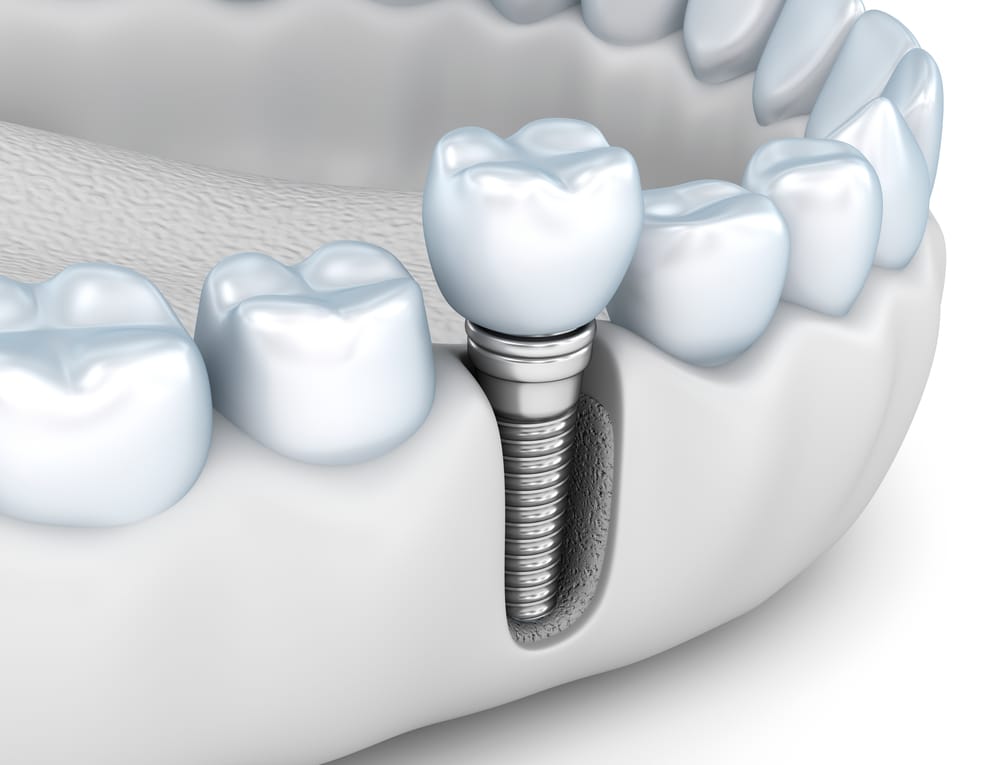
Titanium Posts and Implant Placement Restore Natural Function
Titanium implants fuse directly with your jawbone through a process called osseointegration. This creates a stable base that handles normal chewing forces. Unlike dentures resting on gums, implants transfer bite pressure straight to your bone.
How 3D Scans Guide Precise Implant Placement
Treatment begins with detailed 3D scans that map your bone density and jaw structure. Digital planning helps your dental team place each implant in the ideal position. Precise positioning ensures natural function while avoiding nerves and critical structures.
Your dental team considers not just the mechanics of tooth replacement. Concerns about appearance, comfort, and lifestyle all factor into the plan. This personalized approach means a treatment designed around your specific goals.
How Implants Preserve Bone and Facial Structure
Bone integration delivers benefits that last decades. By keeping your jawbone active, implants prevent the facial collapse that follows tooth loss. Your face holds its natural shape and proportions. This preservation of bone structure provides aesthetic benefits that extend well beyond replacing teeth.
Endosteal implants are the most common type, with titanium posts placed directly into the jawbone. For patients needing additional support, bone grafting can build the foundation for a successful outcome.
The implant abutment connects the titanium post to the replacement tooth. This connection distributes chewing forces evenly across the implant and bone tissue. The design allows natural function while protecting the implant from excessive stress.
What to Expect During the Implant Process
The improvement in bite force over conventional dentures is substantial. While you may not match the exact strength of natural teeth, the gain is significant. Tough foods you’ve been avoiding can return to your plate.
Years of research have made the implant process more comfortable than ever. Modern techniques speed up healing while boosting the odds of successful integration. Patients report a significant reduction in discomfort after treatment, per findings in the Journal of Clinical and Experimental Dentistry. Local anesthesia and sedation dentistry options keep you at ease throughout the procedure.
Gum health plays a key role in long-term implant success. The tissue around implants needs proper care to prevent periodontal disease. Routine dental check-ups let your care team monitor everything and catch issues early.

How All-on-4 Implants Transform Your Quality of Life
This approach uses four strategically placed implants to support an entire arch of replacement teeth. Your dentist angles the back implants to maximize bone contact, often removing the need for grafting. The result is a stable, full-mouth solution for every problem tooth loss creates.
Eating and Nutrition Benefits After Treatment
Normal chewing returns, bringing nutritious foods back to your plate. Fresh fruits, vegetables, and lean proteins become part of your diet again. Research in The Journal of Indian Prosthodontic Society confirms that the treatment provides improved biting force and chewing efficiency over conventional dentures. The gains extend beyond what some other implant options achieve.
Social Confidence and Speech After All-on-4
Speech clarity improves once the implants remove slippage and movement. You can join conversations, attend meetings, and engage socially without worry. This boost in confidence reaches into professional settings where clear communication matters most.
The psychological boost from restored function often catches people off guard. Eating freely, speaking clearly, and smiling without hesitation changes your mood and outlook. Many people say they feel years younger after treatment.
Long-Term Stability and Daily Implant Care
Full-arch implant-supported dentures deliver stability that conventional options can’t match. The implants act as artificial roots, creating a base strong enough for normal chewing and speaking. No more worrying about shifting at the wrong moment.
Implant care follows a routine similar to natural teeth. Regular brushing, flossing, and professional cleanings keep everything healthy. You won’t need adhesives or overnight soaking, just simple daily maintenance.
Take Back Your Life with All on Four Dental Implants
All on four dental implants address every major challenge that tooth loss creates. Reduced bite force, unclear speech, bone loss, and social withdrawal all find answers in this one treatment.
You get back the ability to eat freely and speak clearly. Your facial structure stays supported, and nutrition improves as tougher, healthier foods return to your plate. The boost in self-confidence touches both personal and professional life in ways you might not expect.
This is more than a dental procedure. Think meals with friends, conversations without hesitation, and photos where you actually smile.
If you’re ready to explore how this treatment can restore your comfort and confidence, schedule your consultation today!
FAQs
How much are all on four dental implants?
Costs vary based on your bone health, imaging needs, and the materials your dentist selects. Most practices offer financing through options like CareCredit to make treatment more manageable. The best way to get an accurate estimate is to book a consultation so your dental team can assess your specific situation.
How do you clean all on four dental implants?
Brush twice daily using a soft-bristle toothbrush, focusing around the gumline and implant base. Use a water flosser or floss threader to clean beneath the bridge. An antimicrobial mouthwash helps reduce bacteria buildup. Schedule routine professional cleanings so your dental team can reach areas you can’t at home.
Are all on 4 implants permanent?
The four titanium posts fuse permanently with your jawbone through osseointegration. The prosthetic arch attached to them typically lasts 15 to 20 years before needing replacement. With proper oral hygiene and regular dental check-ups, the implant posts themselves can last a lifetime for most patients.
What are the problems with all-on-4 dental implants?
Potential issues include temporary swelling after surgery, minor nerve sensitivity, or early implant failure if osseointegration doesn’t complete. Gum infection around the implant site can occur without proper oral hygiene. Most complications are preventable with careful planning, an experienced dental team, and consistent follow-up care after your procedure.
How much bite force do all-on-4 implants restore compared to dentures?
Conventional dentures deliver only about 55 N of bite force. Implant-supported teeth restore significantly more chewing strength, often reaching levels much closer to natural teeth. This means you can enjoy tougher foods like fresh fruits, raw vegetables, and lean meats without discomfort or worry about slippage.