

Oral conscious sedation makes it possible for patients with intense dental anxiety to receive the complex care they need without fear taking over. This method reduces anxiety while keeping you alert, responsive, and fully protected throughout your procedure.
Many people delay necessary dental work for years because the thought of sitting in the chair feels unbearable. That hesitation often leads to bigger problems down the road, from worsening decay to more invasive treatment later on. Oral conscious sedation breaks that cycle by making even lengthy or complicated procedures feel manageable. You remain in control the entire time, which means treatment no longer has to wait until anxiety wins.
Key Takeaways
- Oral conscious sedation keeps you responsive to verbal commands while reducing anxiety during complex dental procedures
- Continuous monitoring of blood pressure, heart rate, and oxygen levels protects your safety throughout treatment
- Complex procedures like implant surgery and full-mouth restorations become manageable with proper sedation support
- Trained dental teams provide complete care from pre-treatment assessment through supervised recovery
- Common concerns about consciousness, safety, and recovery have clear answers based on clinical research

Understanding Oral Conscious Sedation and Patient Safety
Most people assume sedation means being completely unconscious. That is not how oral conscious sedation works.
What “Conscious” Actually Means in Dentistry
This approach produces a moderate level of central nervous system depression. Patients retain the ability to self-ventilate, maintain protective reflexes, and respond to verbal or light-pressure stimuli, according to StatPearls. You stay awake, breathe on your own, and can follow simple instructions throughout the visit.
Unlike deeper sedation methods, your gag reflex stays active. Your airway remains protected without any assistance from the dental team. That distinction keeps the procedure safer and more predictable for both you and your dentist.
Who Is a Good Candidate
The sedation dentistry technique suits several specific patient groups. These include people with diagnosed dental phobia, patients whose medical conditions worsen under stress, those undergoing lengthy procedures, and individuals with severe gag reflexes or special needs that make standard care difficult without pharmacological support.
Patients whose conditions worsen under stress benefit from the calming effect in a direct medical sense. Conditions like hypertension and epilepsy become harder to manage when anxiety runs high during dental work.
What the Experience Feels Like
The subjective experience is often described as drowsy and floating. Time tends to pass quickly, and discomfort feels distant rather than sharp. Many patients are surprised by how manageable the procedure felt once it ends.
The moderate sedation level also improves clinical efficiency. Complex procedures that might normally require multiple appointments can often get completed in a single visit. When dental fear no longer disrupts cooperation, both the patient and the dental team benefit.
Your protective reflexes remain fully intact throughout the visit. You can communicate discomfort or ask for a break at any point. Recovery begins immediately after the procedure ends, and unlike general anesthesia, the return to full alertness is smooth and predictable.
Monitoring and Safety Protocols
Safety with oral conscious sedation depends on careful preparation before the procedure begins.
How Dosage Is Determined
Dosage is calculated based on weight, medical history, current medications, and procedure complexity. Research published in BMC Oral Health confirms that benzodiazepines given as single oral doses showed an acceptable safety profile across the included randomized clinical trials. That finding supports the wide use of this method in outpatient dental settings.
Your medical history determines whether this approach is appropriate for your situation. Certain heart conditions, breathing concerns, or medication interactions may point toward a different approach. Your dentist reviews everything before making a recommendation, including over-the-counter supplements.
Weight-based dosing is critical. Too little medication fails to provide adequate anxiety relief. Too much can push sedation deeper than intended. The goal is a precise dose matched to your body and your procedure.
Vital Signs Monitoring During Treatment
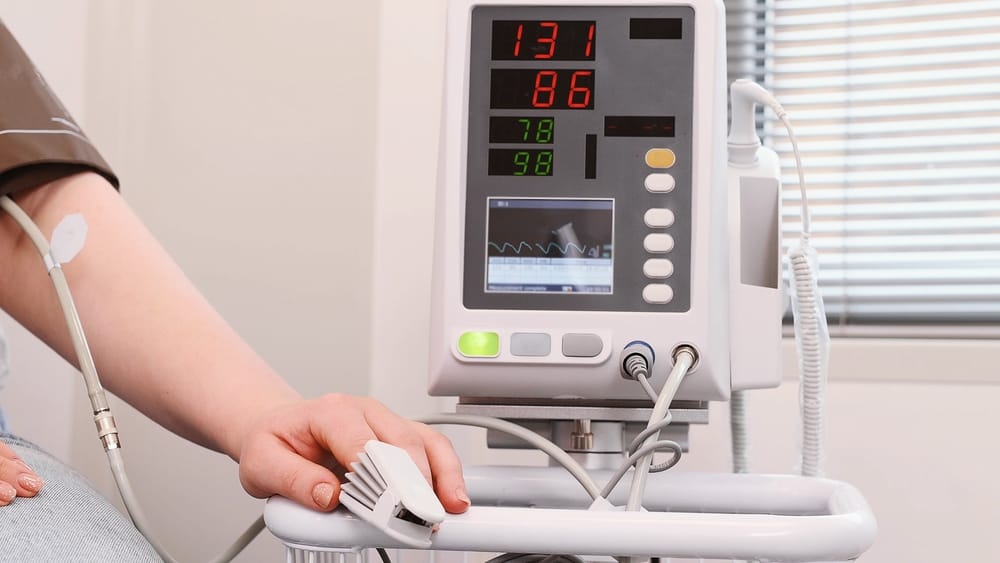
Published sedation guidance cited in Evidence-Based Dentistry calls for good clinical practice for the provision in dentistry of conscious sedation that is both safe and effective. Vital signs monitoring forms the core of that practice. Your dental team tracks blood pressure, heart rate, and oxygen saturation continuously using pulse oximetry and blood pressure equipment.
Pulse oximetry gives real-time feedback on blood oxygen levels. Blood pressure monitoring catches cardiovascular changes early. Heart rate data shows how your body responds to both the medication and the procedure itself.
Emergency Preparedness and Staff Training
The team receives training in managing the sedation continuum. Patients can transition between sedation levels during treatment, and staff must recognize those shifts quickly. Clinical observation works alongside monitoring equipment to provide layered protection.
Emergency preparedness is non-negotiable. Staff maintains current basic life support training, and emergency medications and equipment remain accessible throughout every sedation appointment.

Complex Procedures and Recovery Management
Longer, more involved procedures are where oral conscious sedation delivers some of its most meaningful benefits.
Implants, Restorations, and Grafting
Research detailed in the Journal of Clinical Oral Investigations on benzodiazepine sedation in patients with special needs found a statistically significant reduction in blood pressure and heart rate between pre- and post-operative periods. Oxygen saturation stayed at satisfactory levels throughout, and restorations and extractions were completed successfully under continuous monitoring.
Implant placement surgery can run several hours, especially when multiple implants go in during one visit. That level of precision requires you to remain still and relaxed for an extended period. Oral conscious sedation makes that possible without the risks that come with deeper sedation levels.
Full-mouth dental restorations can normally span six to eight separate appointments. With sedation support, your dentist can often consolidate those visits significantly. That reduces your total time commitment and limits repeated exposure to dental anxiety.
Bone grafting and periodontal surgery both benefit from a relaxed patient. Reduced muscle tension aids precision in bone grafting. For periodontal surgery, anxiety relief is especially important because these areas are often already sensitive or painful before treatment begins.
What Recovery Looks Like
Recovery follows a predictable pattern. A review published in the Australasian Medical Journal confirms that formal training is essential to achieve safe practice of sedation in dentistry, which includes proper discharge criteria before any patient leaves the office.
A responsible adult escort must drive you home and stay with you during the initial recovery period. Written post-operative instructions cover soft foods, activity limits, and when normal function can resume.
Your coordination and judgment stay impaired for several hours even when you feel alert. Following the post-operative instructions carefully protects your recovery.
The Complete Sedation Experience
Patient selection starts with a thorough review of your medical history, medications, and anxiety level.
Before Your Appointment
Your dentist evaluates whether oral conscious sedation fits your health profile and the complexity of your planned procedure. Some conditions or interactions require alternative approaches, and that determination happens before any sedation is scheduled.
Pre-procedure preparation includes fasting guidelines and specific medication instructions. The sedative takes effect over 30 to 60 minutes, and your dental team monitors that transition carefully before beginning any work.
During and After Treatment
During treatment, communication stays open. You can signal discomfort or ask for a break at any point. Your dentist adjusts based on your responses, so you retain meaningful input over your experience even while relaxed.
Post-procedure monitoring continues until you meet discharge criteria. Consciousness level, gait stability, and vital signs are all assessed before you leave. Your escort receives written instructions for continued supervision at home.
Most patients feel back to normal within 24 hours. The complete arc from consultation through recovery spans a few days when you account for preparation and post-procedure rest. The procedure itself often takes less time than it would without sedation support.
Dental Anxiety Is Real, and Oral Conscious Sedation Can Help
Oral conscious sedation gives patients a path to necessary dental care that anxiety has made inaccessible for years. Continuous monitoring, preserved reflexes, and a trained dental team work together to protect your safety from consultation through recovery. The result is a clinical environment where complex procedures become manageable rather than overwhelming.
If dental anxiety has kept you from getting the treatment you need, a conversation with Dental Design Studios is the right first step. Call us for a consultation today!
FAQs
What is oral conscious sedation?
Oral conscious sedation uses a prescribed pill taken before your dental appointment to reduce anxiety and create a deeply relaxed state. You stay awake and can respond to your dentist, but feel calm and comfortable throughout the procedure. Most patients have little memory of the visit afterward.
How long does it take anesthesia to wear off?
Oral sedation effects typically linger for 4 to 6 hours after your procedure, though some drowsiness can stretch into the rest of the day. Individual factors like body weight, metabolism, and the specific medication used all influence how quickly the sedative clears your system completely.
Does anesthesia make you loopy?
Yes, oral sedation commonly produces a fuzzy, detached feeling that many patients describe as floaty or dream-like. You remain conscious and able to respond, but your sense of time and sharp awareness fades. That disoriented feeling is temporary and considered a normal part of how the medication works.
Do they put you to sleep for dental implants?
Not always. Many implant procedures use oral conscious sedation, which keeps you relaxed and comfortable without full unconsciousness. You remain responsive throughout. General anesthesia is reserved for more complex cases or patients with specific medical needs. Your dentist determines the right approach based on your health and procedure scope.
How long after sedation can you drive?
You cannot drive for at least 24 hours after oral conscious sedation. Even when you feel alert, your reaction time and judgment remain impaired longer than you realize. A responsible adult must drive you home from the appointment and stay with you through the initial recovery period.