

Dental bridges give patients a fixed way to replace two or three missing teeth in a row without surgery. When several teeth in one area are gone, chewing gets harder, speech can shift, and the jaw slowly changes shape. A bridge closes that gap by anchoring a custom prosthetic to the healthy teeth or implants next to it. This guide covers the main bridge types, the implant-supported option, and why acting early protects your bite and your bone.
Key Takeaways
- Three main bridge types exist: traditional three-unit, Maryland bonded, and implant-supported, each suited to different clinical situations.
- Traditional bridges cap the abutment teeth with crowns, while Maryland bridges bond a thin framework with minimal tooth preparation.
- Implant-supported bridges anchor to titanium posts in the jawbone when healthy neighboring teeth are not available.
- Leaving a gap untreated speeds up bone loss, shifts nearby teeth, and makes future treatment more complex.
- Daily hygiene with floss threaders and interdental brushes, plus regular checkups, keeps a bridge functioning for years.
Types of Dental Bridges: Traditional, Maryland, and Fixed Options
A fixed bridge replaces one or more missing teeth. It anchors an artificial tooth, called a pontic, to the natural teeth on either side of the gap. Dentists use this approach to replace 1 or more missing teeth for either function or appearance. The neighboring teeth that hold the bridge in place are called abutment teeth. How they’re prepared depends on which bridge type your provider selects.
The most common design is the traditional three-unit bridge. The two abutment teeth get shaped and capped with dental crowns. The pontic then sits between them to fill the space. A dental lab fabricates the whole structure as a single unit, then your provider bonds it permanently with dental cement.
Material choice depends on clinical needs and cosmetic goals. Providers can make bridges from porcelain fused to metal, all-ceramic material, or gold alloy. Porcelain fused to metal holds up well and looks natural. All-ceramic material gives the most lifelike appearance, while gold alloy still works for back teeth under heavy bite force.
Maryland bonded bridges take a more conservative route. Instead of full crowns, this design bonds a metal or ceramic framework to the back of the neighboring teeth. It uses dental resin cement and etch to hold it in place. This removes less tooth structure, making Maryland bridges a good fit for front teeth or lighter bite force cases.
Cantilever bridges apply when only one supporting tooth sits next to the gap. Because the pontic anchors on just one side, this design works best in areas with lighter bite force. It remains less common than the three-unit style.
The process starts with dental impressions so the lab can build a bridge that fits your bite precisely. A temporary restoration protects the prepared teeth while the dental lab fabricates the permanent piece.
Per the NIH National Library of Medicine, fixed bridges are built to replace missing teeth for function or appearance. With proper care, they can last close to 10 years before replacement. Bridge selection depends on bone density, gum health, and bite force.
Cantilever Bridges and 3-Unit Bridge Designs
A standard 3-unit bridge relies on two abutment teeth, one on each side of the gap. This design shares the bite force evenly. A cantilever design anchors to just one supporting tooth instead.
Because it only has one anchor point, a cantilever bridge suits areas with lighter bite force. This includes the front of the mouth. The 3-unit design remains more common since two anchor teeth spread pressure more evenly across the restoration. Cantilever designs also work well when the missing tooth sits at the very end of the arch. A second abutment isn’t always available there. Your provider will check your bite and tooth structure before recommending either option.
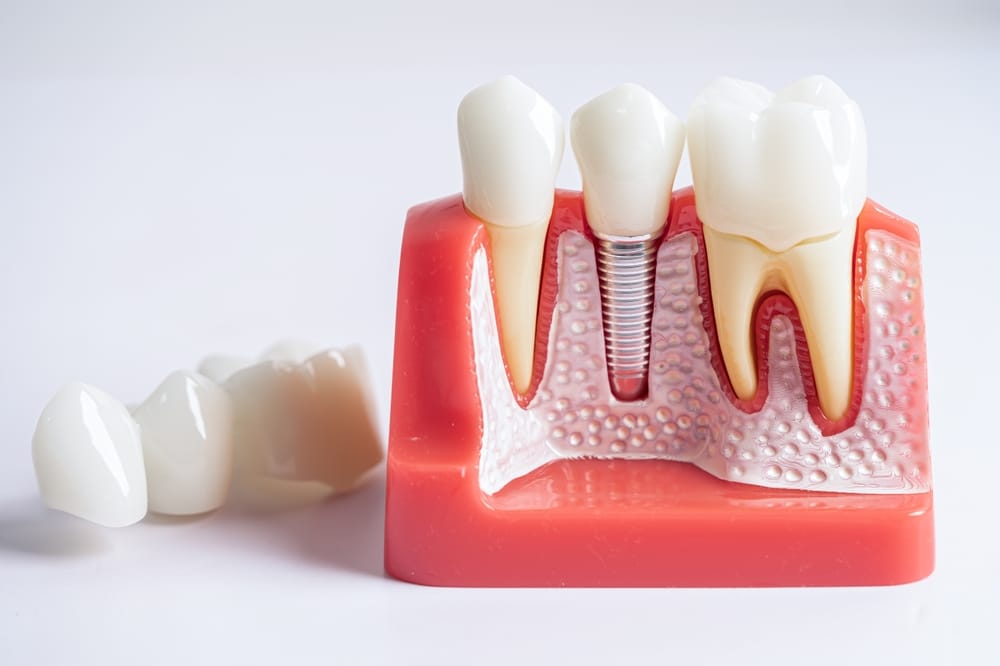
Implant-Supported Bridges: When Natural Abutment Teeth Are Not Available
An implant-supported bridge anchors to titanium posts placed directly into the jawbone rather than to natural abutment teeth. Modern implants show a success rate that StatPearls describes as “above 97% for 10 years”. This design suits patients when the teeth next to the gap are missing or too weak to serve as abutments. It also helps when preserving healthy neighboring teeth matters most.
Implant posts sit in the jawbone at each missing tooth site. Once the titanium bonds with the bone, small abutments attach to the posts, and the bridge connects to those abutments. The result functions like a traditional bridge without relying on natural teeth for support.
A provider trained in oral surgery handles implant placement. Candidacy depends on an assessment of bone density, gum health, and overall oral health. Active gum disease or thin bone may need treatment first.
For more extensive tooth loss, full-arch implant bridges and other implant-supported restorations go beyond replacing two or three teeth. Implant-retained dentures offer another fixed alternative for patients who have lost most or all of their teeth.
Patients who aren’t candidates for implants, or who prefer to avoid surgery, may consider a partial denture instead. A partial denture is removable and fills the same gap. It doesn’t slow bone loss the way an implant-supported option can.
Some studies suggest resin-bonded bridges can perform similarly to removable partial dentures over several years. Many patients also report better comfort with fixed options. This supports fixed restorations as a strong choice whenever candidacy allows it.
Choosing between a tooth-supported and implant-supported bridge comes down to the health of your remaining teeth and jawbone. A short consultation with your provider clarifies which route fits your mouth best.
Bone Density, Gum Tissue, and Candidacy for Implant-Supported Restorations
Adequate bone density lets implant posts bond securely with the jaw. Without enough bone support, the titanium can’t anchor properly, and implant failure becomes more likely.
Active gum disease rules out implant placement until the infection clears up. Healthy gum tissue affects how well the area heals after surgery and how stable the implant stays over time. Your provider will review your treatment plan and address any existing conditions before moving ahead with an implant-supported restoration.
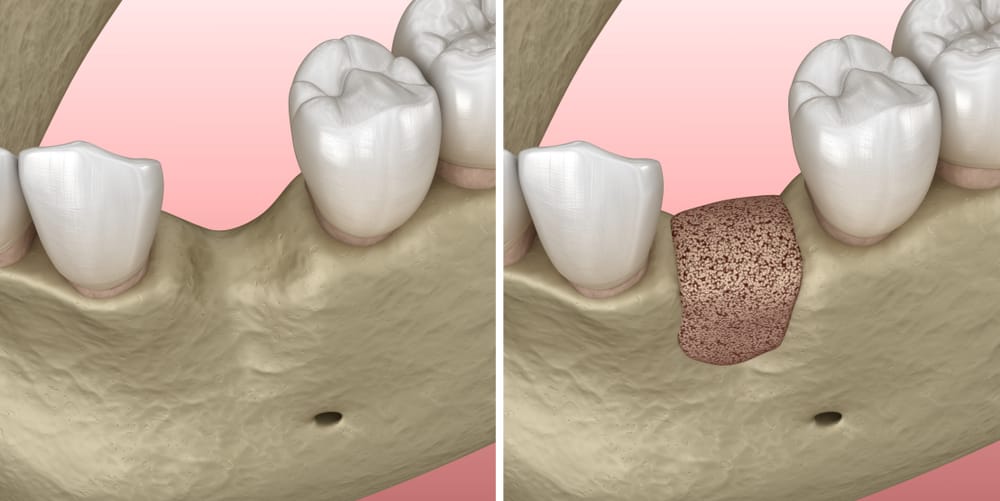
Bone Resorption, Oral Hygiene, and the Long-Term Consequences of Tooth Loss
Bone loss in the jaw begins soon after a tooth is lost. Most of that change happens within the first few months after extraction. The journal Materials details that approximately two-thirds of the affected hard and soft tissues change during that window. Without a tooth root to stimulate it, the jawbone in that area starts to shrink. This reduces support for neighboring teeth and any future restoration.
Tooth loss also shifts remaining natural teeth out of alignment. Nearby and opposing teeth drift toward the open space. This disrupts your bite and can lead to tooth decay in spots that get harder to clean. The longer a gap sits untreated, the more involved treatment becomes.
Facial appearance changes too as bone loss progresses, since the jaw supports the soft tissue of the face. As bone density drops where teeth are missing, the overlying tissue can start to sink inward. This changes how the face looks over time.
Gum disease is both a cause and a result of tooth loss. Left untreated, it weakens the tissue and bone that hold teeth in place. Per the National Institute of Dental and Craniofacial Research, teeth can eventually become loose or need to be removed. Once teeth are gone, exposed gum tissue in the gap can collect more bacteria without careful hygiene.
Patients with a bridge need to pay close attention to dental hygiene around the restoration. The pontic sits above the gum line without a root, so food and bacteria can build up underneath it. Standard flossing can’t reach this area easily, which is why floss threaders and interdental brushes work better here.
Dental Checkups, Preventive Care, and Maintaining Your Bridge
Regular dental checkups let your provider monitor the bridge and the health of the abutment teeth under the crowns. Preventive care, including professional cleanings and steady daily hygiene, extends the life of the restoration.
Fluoride toothpaste protects the abutment teeth from decay at the margins where the crown meets the natural tooth. Floss threaders guide floss beneath the pontic, and interdental brushes reach spaces a standard toothbrush misses. Consistent daily flossing combined with regular visits to your dental office keeps a bridge working well. Most patients see strong results when they stick to this routine long term.

What to Do Next If Dental Bridges Are Right for You
Dental bridges are a reliable fix for two or three missing teeth in a row. A fixed bridge restores chewing, bite alignment, speech clarity, and facial appearance. It can anchor to healthy natural teeth or to implants in the jawbone. The right choice depends on your bone density, gum health, and the condition of the teeth next to the gap.
Waiting rarely helps, since bone loss and shifting teeth only add complexity over time. If you’re missing consecutive teeth and want a clear plan before that happens, schedule a consultation at Dental Design Studios today!
FAQs
How much does a dental bridge cost?
Dental bridge costs vary widely based on the materials used, the number of teeth replaced, and whether the bridge is tooth-supported or implant-supported. Insurance often covers a portion of the cost. Your provider can review your specific case and give you an accurate estimate along with any available financing options.
Is a dental bridge permanent?
A traditional dental bridge is considered a fixed, long-term restoration since it’s bonded in place rather than removed daily. It isn’t meant to last forever, though. With good care, most bridges last approximately 10 years before replacement, and some patients keep theirs much longer with consistent maintenance.
Can a dental bridge be removed and recemented?
Yes, a dental bridge can sometimes be removed and recemented if it loosens, but the abutment teeth and framework remain in good condition. Your provider will examine the bridge and surrounding teeth first. In some cases, a new bridge is a better long-term solution than recementing.
What does a dental bridge look like?
A dental bridge is designed to blend in with your natural teeth. The visible pontic, or artificial tooth, matches the size, shape, and shade of your surrounding teeth. Depending on the material, whether porcelain, all-ceramic, or metal-based, the finished bridge looks natural and functions like your own teeth.
Who is a good candidate for a dental bridge versus an implant-supported bridge?
Good candidates for a traditional bridge have two healthy abutment teeth, adequate bone support, and no active gum disease. Patients missing neighboring teeth or lacking bone density may suit implant-supported bridges instead. A dental assessment confirms which option fits best for you.