

Fractured front tooth repair starts with what you do in the first sixty minutes after the injury. Your actions right away affect whether the tooth can be saved and how much treatment comes next. A broken front tooth ranks among the most common dental emergencies.
The steps you take before you reach the dental office often matter more than people realize. Small choices in those first minutes can change the entire treatment path.
Key Takeaways
- The first hour after a dental injury matters most for saving your tooth and the broken fragment.
- Storing a tooth fragment correctly gives your dentist the best chance of bonding it back in place.
- Dentists rebuild broken teeth using composite bonding, veneers, or same-day ceramic crowns depending on severity.
- A fracture that reaches the pulp usually needs root canal therapy before any final restoration.
- Good daily habits and a mouth guard protect your repair and help prevent future injuries.

What to Do in the First Hour: Dental Emergency Steps for a Broken or Chipped Tooth
A dental injury to a front tooth calls for quick action. The steps you take right away set the stage for a successful repair. According to BMJ Case Reports, crown fractures make up up to 92% of all traumatic injuries to permanent teeth. Upper front teeth absorb the brunt of these injuries because of where they sit in the mouth.
Control Swelling and Protect the Area
Apply a cold pack to the outside of your cheek in ten-minute intervals. Rinse gently with saltwater to clear debris without irritating the exposed tooth. Avoid pressing on the tooth or testing it with your tongue, since movement can worsen the fracture.
If you find the broken piece, store it right away in milk, saline, or your own saliva. A preserved fragment can be bonded back to the tooth with adhesive resin. This keeps the natural translucency and wear pattern that no synthetic material fully copies. A dry fragment loses that potential fast, so the storage choice matters.
Temporary Measures Are Not a Substitute for a Dental Appointment
Dental wax or over-the-counter cement kits can cover a sharp edge for a short time. This is a stopgap measure only. It does not stabilize the fracture, prevent infection, or replace a real appointment.
Contact the dental office as soon as possible and describe the injury clearly. This helps the staff prepare for your arrival and plan the right appointment slot.
Fracture Severity Determines the Treatment Path
Dentists classify fractures by how many layers of tooth structure are involved. The depth of the break shapes the entire treatment plan.
- An enamel-only chip is the least severe and often needs minimal treatment.
- A fracture reaching the dentin causes sensitivity to temperature and pressure.
- A fracture exposing the pulp is the most serious type and needs a different treatment path entirely.
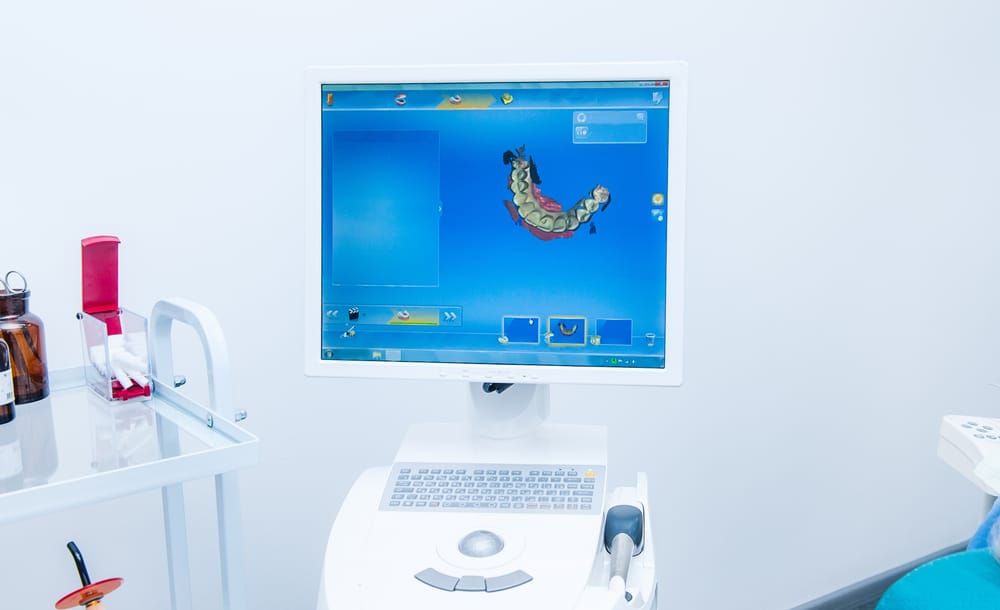
Seeking care within the first hour gives your dentist the best window to assess the injury. Dentists rely on digital imaging to assess maxillofacial fractures and dental trauma, revealing fracture depth that isn’t visible. Intraoral cameras provide a close view of the fracture margins. A mouth guard worn during contact sports can prevent many of these injuries, a topic covered later in this article.
How Your Dentist Rebuilds Tooth Structure: Composite Bonding, Dental Crowns, and Advanced Techniques
Once your dentist reviews the digital X-rays and intraoral images, the restoration plan comes into focus. It depends on how much structure was lost and whether the original fragment is available.
Fragment bonding with modern adhesive systems offers a conservative treatment that should be considered for crown fractures. This applies best when the procedure happens promptly. Bringing the original fragment to your appointment is always worth the effort.
Composite Resin Bonding for Minor to Moderate Fractures
For fractures where the fragment is not available, composite resin bonding is often the first choice. Your dentist shapes tooth-colored composite resin onto the prepared surface and hardens it with a curing light. The result matches your natural shade and contour, often in a single visit.
This technique works well for chips limited to the enamel or a shallow layer of dentin. For moderate fractures covering a larger surface, porcelain veneers or composite veneers offer a stronger option. Dental veneers cover the front surface of the tooth and blend with the surrounding teeth. Your dentist either places a same-day veneer or sends the case to a lab.
Ceramic Crowns and CAD/CAM Technology for Severe Structural Loss
When a fracture removes a large portion of the tooth, a full-coverage crown becomes necessary. Ceramic crowns, resin crowns, or metal crowns each suit different locations and functions. For front teeth, ceramic options are standard because they match natural tooth color.
CAD/CAM technology and CEREC technology allow a dentist to design, mill, and place a ceramic crown in one appointment. Same-day crowns remove the need for a temporary crown and skip lab wait time entirely. This precision means the fit and contour closely match your original tooth.
Supporting Technology That Makes Restorations More Precise
A dental drill or air abrasion removes damaged enamel and shapes the surface before bonding material goes on. The curing light then hardens the adhesive resin or composite in place. Intraoral cameras let your dentist verify margins and check the fit before the appointment ends.
Ceramic fillings and tooth-colored composite fillings are standard for front teeth. Amalgam fillings are silver-colored and used mainly in back teeth where appearance matters less. A temporary crown protects the prepared tooth until the final crown is seated.
Protecting Your Oral Health After Repair: Root Canal Therapy, Long-Term Care, and Prevention
When a fracture exposes the pulp, your dentist must complete root canal treatment before the final restoration goes in. As explained in StatPearls, pulp therapy aims the preserve tooth vitality. A conservative partial pulpotomy may preserve tooth vitality when the pulp exposure is small and treatment arrives quickly. This procedure removes only the damaged portion of the pulp, keeping the tooth alive. The American Association of Endodontists recognizes partial pulpotomy as a viable option for young patients with limited exposure.
Root canal therapy removes infected pulp tissue, seals the canal, and prepares the tooth for a final crown. The procedure relieves the pain caused by pulp damage, and dental anesthesia keeps patients comfortable throughout.
When a Tooth Cannot Be Saved
Some fractures are too severe for any restoration to hold. When a tooth cannot be saved, dental implants serve as a long-term replacement. An implant replaces the root and supports a crown that looks and functions like a natural tooth. A dental bridge is an alternative that anchors to adjacent teeth and spans the gap.
Gum health plays an important role in planning for both implants and bridges. Active gum disease can weaken the bone and tissue needed to support an implant, so your dentist checks this first.
Daily Care That Extends the Life of Your Repair
Brush twice daily with fluoride toothpaste and floss carefully around the repaired area. This prevents enamel erosion and buildup at the edges of the bonding material.
- Avoid hard foods, hard candy, and sticky snacks that stress the restoration.
- Choose soft foods like mashed potatoes, cottage cheese, and smooth soups during healing.
- Skip hot or cold foods that trigger sensitivity in the first few days after treatment.
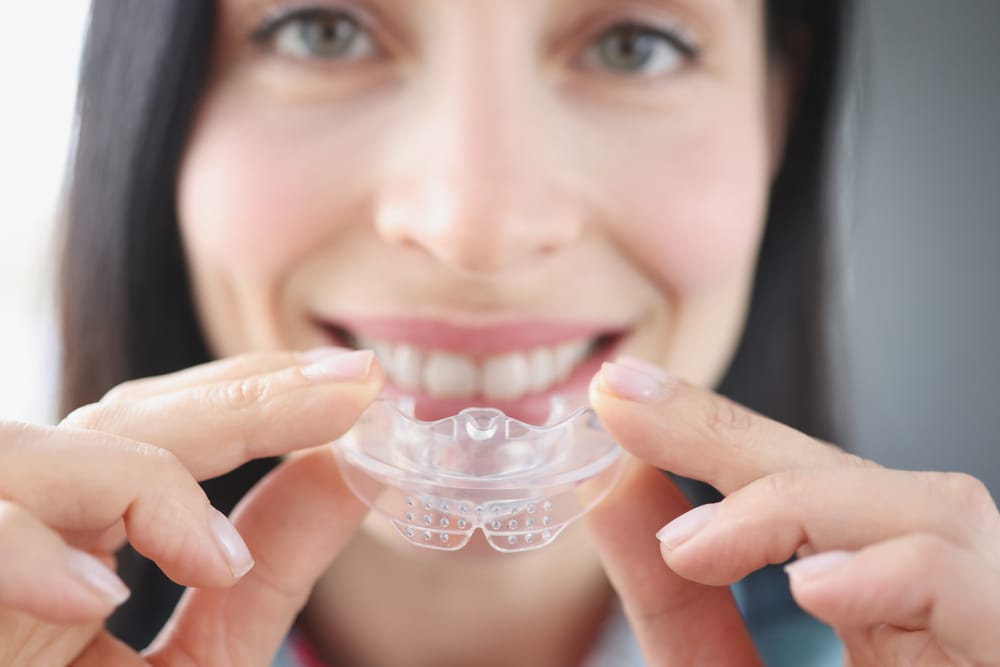
Use of a properly fitted mouth guard reduces the incidence of orofacial injuries during contact sports. Consistent oral hygiene and routine checkups help your dentist catch wear at the restoration margins early. This prevents small issues from becoming bigger problems.
Is Fractured Front Tooth Repair Really This Straightforward?
Fractured front tooth repair depends mostly on how fast you act and how deep the fracture goes. Composite bonding works well for minor chips, while a porcelain veneer covers moderate damage. A ceramic crown handles the most severe structural loss. Acting within the first hour and choosing the right restoration gives you the best shot at a fully restored smile.
If you are dealing with a broken tooth, we can help you find the right option. Talking it through is the clearest next step. Schedule your consultation today to start restoring your smile.
FAQs
How to fix a cracked tooth naturally?
There’s no way to repair a cracked tooth naturally at home. Home remedies like saltwater rinses or clove oil can ease pain temporarily, but they don’t heal the crack. A dentist needs to evaluate the damage and use bonding, a crown, or root canal therapy to prevent the crack from worsening.
How much does it cost to fix a chipped tooth?
Cost depends on severity and treatment type. Simple bonding often runs a few hundred dollars per tooth. Veneers typically cost more, and a crown usually runs even higher. Dental insurance may cover part of the cost, especially for accidents. Your dentist can give you an exact quote after an exam.
Does a cracked tooth need to be pulled?
Not always. Many cracked teeth are saved with bonding, a crown, or root canal treatment if the crack hasn’t reached the root. Extraction usually only becomes necessary when the crack extends below the gumline or splits the tooth vertically through the root, making it too unstable to restore.
How do dentists fix a chipped tooth?
Dentists choose treatment based on how much of the tooth is affected. Small chips often get composite bonding, shaped and hardened with a curing light. Larger chips may need a veneer or crown. Digital X-rays help the dentist see the full extent of the damage before deciding.
Why are my teeth cracking all of a sudden?
Sudden cracking is usually tied to teeth grinding, biting hard foods, an old filling weakening the tooth, or a minor injury you didn’t notice at first. Age also plays a role, since enamel gets more brittle over time. A dentist can pinpoint the cause and recommend the right fix.