
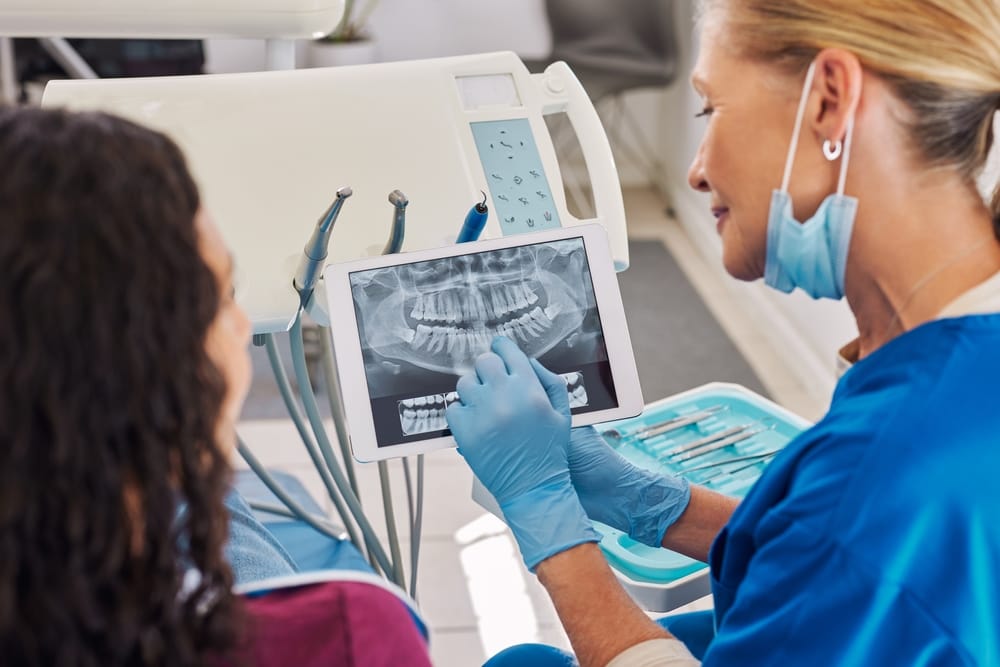
A molar teeth implant is rarely the right choice for a wisdom tooth socket. The reason comes down to basic anatomy and function.
Front teeth, premolars, and molars all carry real chewing load. Wisdom teeth do not. The third molar sits at the very back of the jaw and leaves no visible gap once it is gone.
This article walks through what actually happens after wisdom tooth removal. You will learn where bone loss becomes a real risk, and when a dental implant genuinely makes sense.
Key Takeaways
- Third molars carry no real chewing load, so removing one rarely calls for a replacement.
- Wisdom tooth removal can cause bone loss at the neighboring second molar, not the wisdom tooth site itself.
- Bone grafting done at the time of extraction helps protect that neighboring tooth.
- A second molar implant is a sound option once that tooth is lost.
- CBCT imaging and careful planning make second molar implants safer and more predictable.
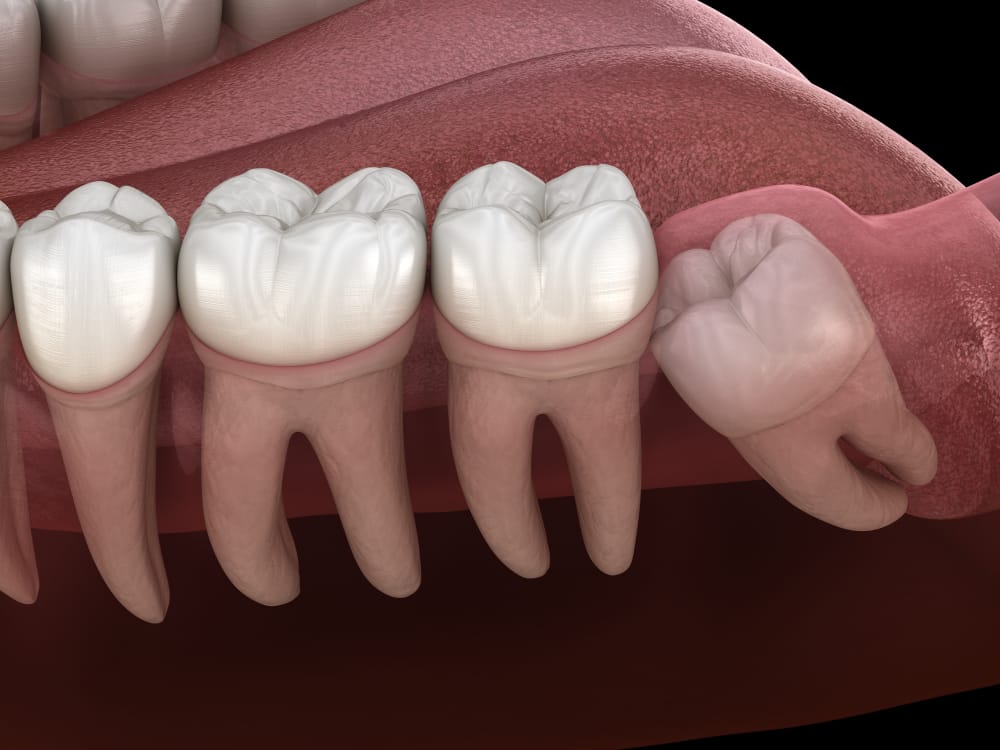
Wisdom Tooth Sockets: Do you really need to replace them?
Third molars carry little to no chewing function, so losing one typically has less impact on bite alignment than losing other teeth. For most patients, a wisdom tooth socket simply does not need to be filled.
The anatomy of that area also makes implant placement risky, even for someone who wants one. In the lower jaw, a major nerve runs close to the wisdom tooth root. Placing a titanium post there raises the chance of nerve injury, and StatPearls confirms that injury to these vital structures can occur near the nerve during implant placement.
Bone density at the back of the jaw also tends to be uneven. Limited access makes precise surgery harder there. These factors add real risk without adding any functional benefit.
Why are wisdom teeth removed in the first place?
Wisdom teeth get removed for a handful of common reasons. Understanding them explains why the socket left behind rarely needs to be filled.
- Impacted third molars can form cysts that damage nearby bone.
- Partial eruption traps bacteria and often leads to decay in hard-to-clean areas.
- An angled wisdom tooth can push against neighboring teeth and disrupt your bite.
- In younger patients, third molars can interfere with jaw growth.
- Extra teeth, known as supernumerary teeth, can make crowding worse.
Surgical removal solves these problems directly. It does not leave behind a functional gap that needs restoring.
That distinction drives the entire implant decision. A tooth with an active chewing role needs replacement once lost. A tooth that only caused harm usually does not.
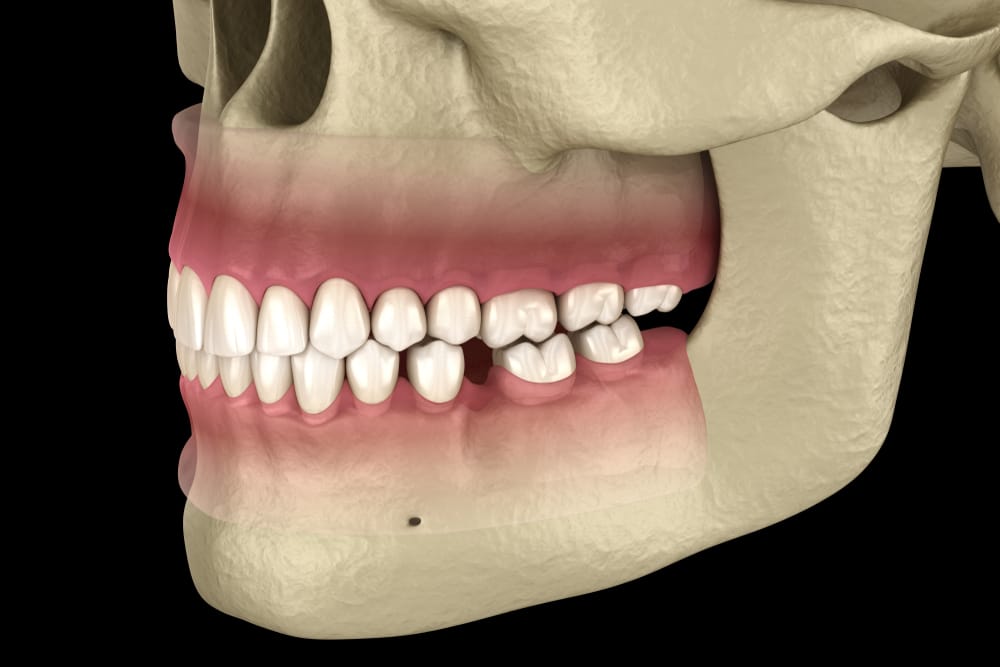
The Real Concern After Wisdom Tooth Removal Isn’t What You Think
How the Wisdom Tooth Socket Heals on Its Own
The wisdom tooth socket usually heals well on its own. A blood clot forms and protects the bone and tissue underneath during recovery.
Pain relievers, ice packs, and avoiding tobacco all help this process, and oral surgery supports normal healing in most cases. Dentists use local anesthesia during the procedure. Most patients return to normal activity within a few days.
Why the Second Molar Is at Risk After Extraction
The bigger concern is not the socket itself. It is the tooth sitting right next to it, since bone grafting is tied to a decreased risk of developing a periodontal defect, based on a case study indexed in PubMed.
When an impacted wisdom tooth comes out, surgery can create a bone defect. This forms on the back of the neighboring second molar. That bone loss, left untreated, can turn into periodontal disease. This is a serious infection that breaks down the bone and tissue holding teeth in place.
Understanding Dry Socket
Dry socket is a separate risk worth knowing about. This happens when the socket loses its blood clot too early, or the clot never forms correctly, leaving bone exposed. This causes significant pain and slows healing considerably. Tobacco use is one of the most common causes.
Bone Grafting and Socket Preservation Explained
The most reliable way to protect the second molar is bone grafting at the time of extraction as it significantly alters the bony defect. A bone graft into the socket preserves bone height at the back of that molar and keeps attachment levels stable.
Socket preservation using bone regeneration materials maintains bone volume over time. It prevents the collapse that can happen as an untreated socket heals. A barrier membrane guides new bone growth, supporting structure that would otherwise break down during recovery.
If bone loss progresses too far, there may not be enough bone left for a future implant at that site. Socket preservation keeps that option open for later.
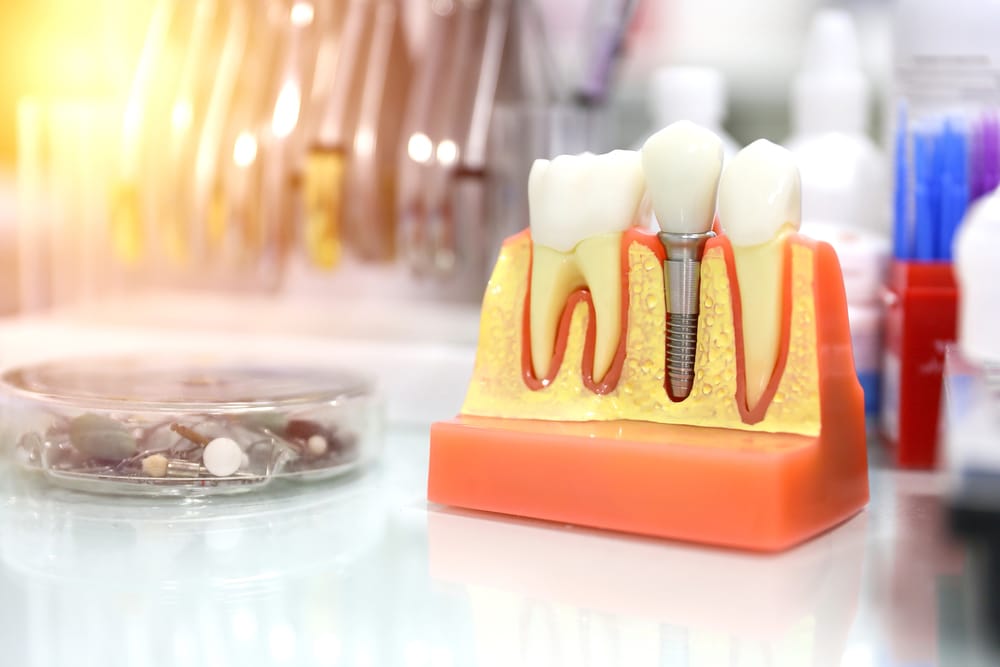
When does a second molar implant actually make sense?
A second molar implant becomes a smart option in one specific situation. That is when the tooth is lost alongside, or because of, a wisdom tooth extraction.
The second molar carries real chewing load and helps hold your bite together. Losing it creates an actual functional problem, one an implant is built to solve.
Planning the Implant with CBCT Imaging
Planning starts with CBCT imaging, a scan that builds a three-dimensional map of the jaw. CBCT scans help in the planning, as they show bone volume, nerve pathways, and sinus location before surgery begins.
That detail lets the surgeon see exactly where an implant post can go safely. It also shows how much bone is available, and whether a sinus lift is needed first. A sinus lift adds bone height near the sinus when existing bone runs too thin.
What Happens During the Implant Procedure
The surgeon places the titanium post into the jawbone during a short surgical visit. Sedation options help anxious patients stay comfortable throughout the process. Once the post bonds with the surrounding bone, the dentist attaches a restoration to complete the tooth. Restoration options at the second molar site are built to restore chewing function and bite structure.
Recovery and Osseointegration Timeline
Recovery after a second molar implant typically follows a predictable timeline. In the first week, mild swelling and tenderness are normal as the surgical site settles. Over the next two to three months, the implant post fuses with the surrounding jawbone through a process called osseointegration, during which most patients return to their normal diet and routine fairly quickly. Once the surgeon confirms the post has bonded securely, the final restoration is attached. Patients who follow post-surgical care instructions, including good hygiene and avoiding excessive pressure on the healing site, tend to see the smoothest recovery and the best long-term outcomes.
Why Jaw Stability Depends on Timely Replacement
Jaw stability depends on keeping bone at every functional tooth site. When a patient loses a second molar and doesn’t replace it, that bone starts to shrink. Nearby teeth can drift into the open gap over time.
The implant success rate at this site is well established. That makes it a reliable long-term dental treatment for patients dealing with molar loss.
Orthodontic work is sometimes needed if teeth have already shifted. Bone loss that progresses before treatment can affect nearby tooth roots too, adding complications before the implant post is placed.
The difference between the two sites comes down to function alone. One carries no role once empty. The other very much does.
Bone Loss, Second Molars, and When a Molar Teeth Implant Makes Sense
A molar teeth implant rarely belongs in a wisdom tooth socket. The real risk sits at the second molar next door, where bone loss can quietly build for months after extraction.
Bone grafting and socket preservation at the time of removal make a real difference. They protect the bone that keeps your bite stable and keep future implant options open down the road.
When a second molar is lost, a dental implant is a proven way to restore chewing function. It also helps protect your jaw long-term. Every mouth is different, though, and your bone structure plays a real role in what treatment fits best.
If you’re dealing with wisdom tooth complications or a missing molar, Dental Design Studios can help clarify your options. Schedule a consultation today!
FAQs
Can a root canal save a wisdom tooth instead of having it removed?
Root canal therapy can be done on a wisdom tooth, but it’s rarely recommended. The root shape of third molars makes the procedure difficult. Because wisdom teeth serve no essential function, removal is usually the better long-term choice for oral health.
Do dental implants hurt?
Most patients feel little to no pain during the procedure since the area is fully numbed with local anesthesia (and sedation options if you’re anxious). Some soreness, swelling, or mild discomfort is normal for a few days afterward, but over-the-counter pain relievers usually manage it well.
Are dental implants safe?
Yes, dental implants are considered a safe, well-established treatment with a strong long-term success rate. As with any surgical procedure, there are risks like infection or nerve irritation, but careful planning with imaging like CBCT scans helps your dentist minimize those risks significantly.
How do you take care of dental implants?
Treat implants like natural teeth: brush twice daily, floss around the base, and use an antimicrobial mouthwash if recommended. Regular checkups let your dentist catch early signs of gum irritation or bone loss. Avoiding tobacco and chewing on hard objects also helps implants last.
How long do dental implants last?
With proper care, dental implants can last 15 to 25 years, and many last a lifetime. The titanium post itself rarely fails once it bonds with the jawbone. The crown or restoration on top may eventually need replacement due to normal daily wear.