

Are dental veneers permanent? The answer depends on the type you choose and whether your dentist removed any enamel. Traditional porcelain veneers involve a step that cannot be reversed. Other veneer options leave your natural tooth mostly untouched. Knowing this difference matters before you commit to any cosmetic dentistry treatment. Some veneers require lifelong coverage once the enamel is gone. Others can be removed or replaced with far less commitment. This guide breaks down which veneers are truly permanent and which ones you can remove.
Key Takeaways
- Traditional porcelain veneers require irreversible enamel removal, making them a lifelong commitment that cannot simply be undone.
- No-prep, low-prep, and composite resin veneers offer more reversible alternatives with minimal to no enamel removal, though they typically last fewer years than porcelain.
- A thorough candidacy evaluation covering enamel condition, bite alignment, oral hygiene, and bruxism is essential before committing to any veneer type.
- Knowing which veneer type fits your dental health and long-term goals is the first step toward a result that lasts.
- Get answers to the most common questions patients ask about veneer permanence, replacement, and what happens to the teeth underneath.
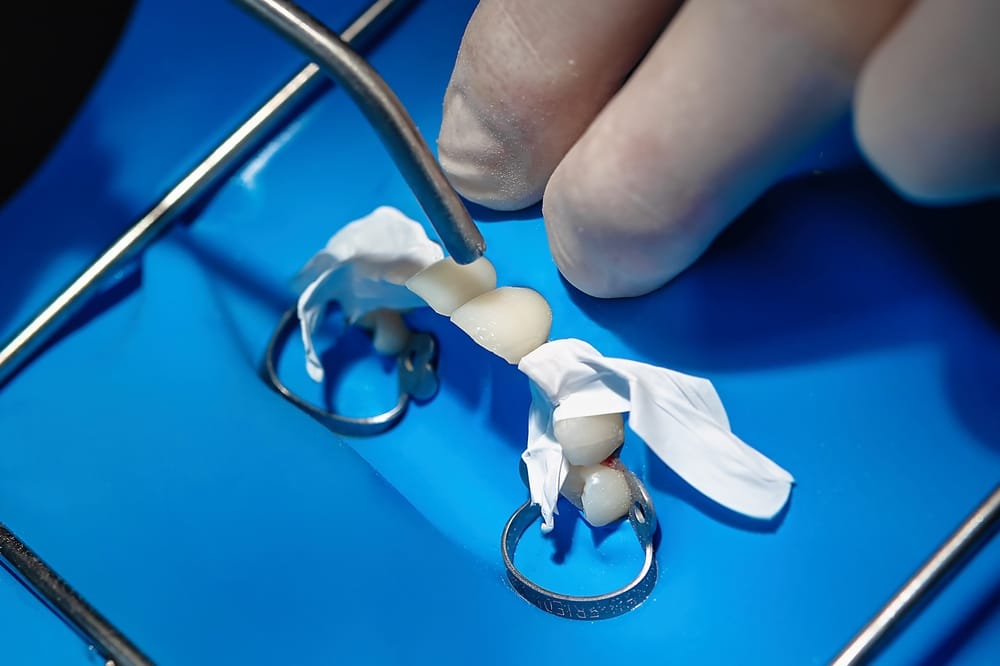
Why Porcelain Veneers and Enamel Removal Make the Procedure a Permanent Commitment
Porcelain veneers earn the label permanent for one reason. The shell itself does not last forever, but preparing the tooth for it does. Your dentist removes about 0.3 to 0.7 millimeters of enamel from each tooth to create a secure bond, and tooth preparation should be <0.7 mm on the incisal third.
Enamel does not grow back once it’s gone. That tooth will always need coverage, either a new veneer or a dental crown.
This is the point patients often miss. You can remove the veneer shell itself. But the tooth underneath has changed for good. Leaving a prepared tooth uncovered is not realistic, since exposed dentin becomes sensitive and prone to damage.
While your permanent veneers are being fabricated, your dentist places temporary veneers over the prepared teeth. These temporary versions protect the sensitive enamel and give you a preview of your new smile. They are not designed to last, and most patients wear them for one to two weeks. Your dentist removes them once the final veneers arrive from the lab.
Do porcelain veneers ever need to be replaced?
Yes, even durable veneers do not last forever. A review of 6,500 porcelain veneers published in the Journal of Clinical Medicine found a 10-year survival rate of 95.5 percent. Researchers noted that veneer failure is often believed to be influenced by parafunctional activities, such as bruxism.
Grinding your teeth adds stress to the veneer surface. Over time, this raises the chance of chipping or loosening.
The term permanent describes the tooth prep, not the veneer’s lifespan. When a veneer eventually fails, it gets replaced with a new one. The prepared tooth always needs some form of coverage.
How much enamel remains after prep also affects long-term success. A 2024 meta-analysis in the Journal of Prosthetic Dentistry reported that veneers bonded to enamel reach almost perfect rates of survival. Veneers bonded to dentin performed worse. Preserving enamel during prep is one of the most important technical decisions in the whole process.
After prep, your dentist takes impressions and sends them to a dental lab. Technicians then fabricate custom veneers from porcelain, zirconia, or another ceramic material. Precise fabrication, paired with strong bonding to enamel, shapes how well the veneer performs over time.
Most patients feel mild tooth sensitivity after prep. This is temporary and typically fades once your dentist bonds the final veneer in place.
Good habits help your veneers last as long as possible. Avoid biting down on ice, pens, or fingernails, since these habits can chip the porcelain edge. Routine dental visits also let your dentist catch small issues, like a loosening margin, before they turn into a larger repair.
Composite Veneers, No-Prep Veneers, and Reversible Veneer Options
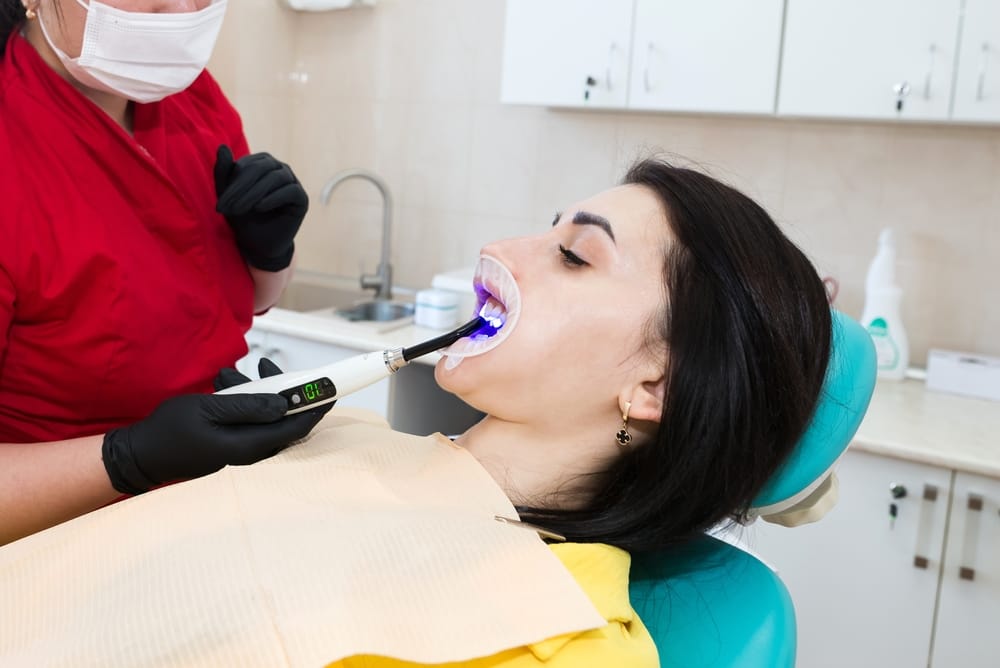
Composite veneers work differently than porcelain. Instead of lab fabrication, your dentist applies tooth-colored resin directly to the tooth in a single visit. This method needs little to no enamel removal.
Your dentist can polish off the resin without permanently changing the tooth. The trade-off is durability. Composite veneers stain more easily and tend to last fewer years than porcelain.
For patients who want a cosmetic fix without a lifelong commitment, this is a real option. The bonding material falls into the same category as tooth-colored fillings, so the process feels familiar to many patients.
No-prep and low-prep veneers take another approach. These are lab-made from ceramic, but thin enough to bond with little or no enamel removal. Ceramic no-prep veneers combine a lab-made look with a conservative prep. Whether your tooth qualifies depends on its size, shape, and position.
Snap-on and pop-on veneers are not bonded restorations. These removable appliances clip over your existing teeth and come out anytime. They need no prep and no bonding. You should not compare them directly to porcelain or composite options.
A full set of no-prep or composite veneers can fix discoloration, gaps, and minor shape issues. Your tooth structure stays unchanged either way. The real question for any reversible option is whether enamel removal is part of the plan. If it is not, the treatment will not create a lifelong commitment. If your dentist removes any enamel, the tooth changes permanently, no matter how thin the veneer is.
Composite veneers also need their own care routine to look their best. Because the resin surface can absorb pigment, coffee, tea, and red wine may cause staining faster than they would on porcelain. Your dentist may recommend periodic polishing appointments to keep the resin looking bright and smooth.
Appointment length varies by veneer type as well. Composite veneers typically take one visit lasting one to two hours, since your dentist shapes the resin chairside. Porcelain veneers usually require two visits: one for prep and impressions, and a second to bond the finished veneer once it returns from the lab.

Cosmetic Dentistry Candidacy: What to Evaluate Before Committing to Veneers
Cosmetic dentistry choices carry extra weight when a procedure changes your tooth structure for good. Before placing any veneer, your dentist checks enamel condition, bite alignment, oral hygiene, and whether you grind your teeth.
Enamel condition matters because veneers bonded to enamel perform better than those bonded to dentin. If a tooth has decay, past damage, or gum recession, the bonding surface may not support a veneer well. Your dentist checks for these issues during an oral exam before recommending treatment.
Bite alignment matters too. A misaligned bite puts uneven force on your front teeth, raising the risk of failure resulting from unevenly distributed occlusal contacts. If you grind your teeth, your dentist may suggest a protective appliance after treatment.
Oral hygiene matters as well. Veneers do not decay, but the natural teeth underneath them still can. Stains can build up where the veneer meets the gum line. Consistent teeth cleaning and dental checkups help protect both function and appearance over time.
If discoloration is your main concern, ask whether teeth whitening could work first. Whitening treats natural enamel and leaves your tooth structure unchanged. When whitening delivers the result you want, it is the more conservative choice.
Patients with serious damage may need restorative treatment instead of cosmetic veneers. Your dentist will decide whether a crown or another option addresses the real problem. Good dental care never sacrifices health for looks alone.
Your dentist will typically walk through a few key questions during your evaluation:
- How much enamel is available for bonding?
- Does your bite distribute force evenly across your teeth?
- Do you show signs of teeth grinding or clenching?
- Are your gums healthy enough to frame the veneer margin?
- Is your goal cosmetic only, or does a tooth need structural repair?
Answering these honestly helps you and your dentist choose the veneer type that fits your mouth, not just your budget.
The real answer to “are veneers permanent?”
Are veneers permanent? It depends on whether your dentist removed any enamel. Porcelain veneers require that step, so they always need coverage once your enamel is gone. Composite and no-prep veneers skip this step, giving you a more reversible option. Bite alignment, oral hygiene, and grinding habits all shape how long any veneer lasts. Every smile is different, and the right choice depends on your goals and dental history. Want a professional opinion on which veneer fits your teeth? Come by and visit us today!
FAQs
Does getting veneers affect the ability to have a root canal later?
Veneers sit on the front surface of the tooth and don’t block access to the root canal system. If a patient needs root canal therapy after getting veneers, the dentist can still perform the procedure. In most cases, the treatment doesn’t affect the veneer, which stays in place.
Are porcelain veneers permanent?
Yes, in the sense that the process cannot be reversed. Your dentist removes a thin layer of enamel to bond the veneer, and that step is permanent even though the veneer shell itself will eventually need replacement. Once your enamel is prepped, your tooth will always need coverage.
How much are permanent veneers?
Cost depends on the material, number of teeth treated, and your dentist’s location. Porcelain veneers typically cost more than composite due to lab fabrication and durability. Your dentist can give you an accurate quote based on your case, insurance coverage, and available financing options during a consultation.
How do veneers work?
Veneers are thin shells bonded to the front of your teeth to improve their shape, size, or color. Porcelain versions require enamel removal and lab fabrication, while composite versions are shaped directly onto the tooth in one visit. Both create a natural-looking, corrected smile.
Are veneers bad for your teeth?
Veneers themselves are not harmful when placed correctly. However, porcelain veneers require permanent enamel removal, which means the tooth will always need coverage going forward. Choosing an experienced dentist and maintaining good oral hygiene helps protect your natural teeth and extend your veneers’ lifespan.