

Cosmetic dental bonding is a single-visit treatment that repairs chips, gaps, and discoloration using tooth-colored resin. It skips the enamel removal required for porcelain veneers. It works directly on your existing tooth, preserving more of your natural structure than most cosmetic alternatives.
For patients who want real improvement without a permanent commitment, bonding offers a flexible starting point. It keeps future options open. It’s often the first step patients take before considering anything more permanent.
Key Takeaways
- Cosmetic bonding repairs chips, gaps, uneven edges, and minor discoloration in a single office visit.
- The treatment typically requires little to no enamel removal, unlike porcelain veneers.
- Research on anterior composite restorations shows solid survival rates over several years of daily use.
- Long-term success depends on good oral hygiene, routine dental visits, and a night guard if you grind your teeth.
- Bonding works well as a reversible starting point for patients who want cosmetic improvement without a permanent commitment.
What is dental bonding and how does the bonding process work?
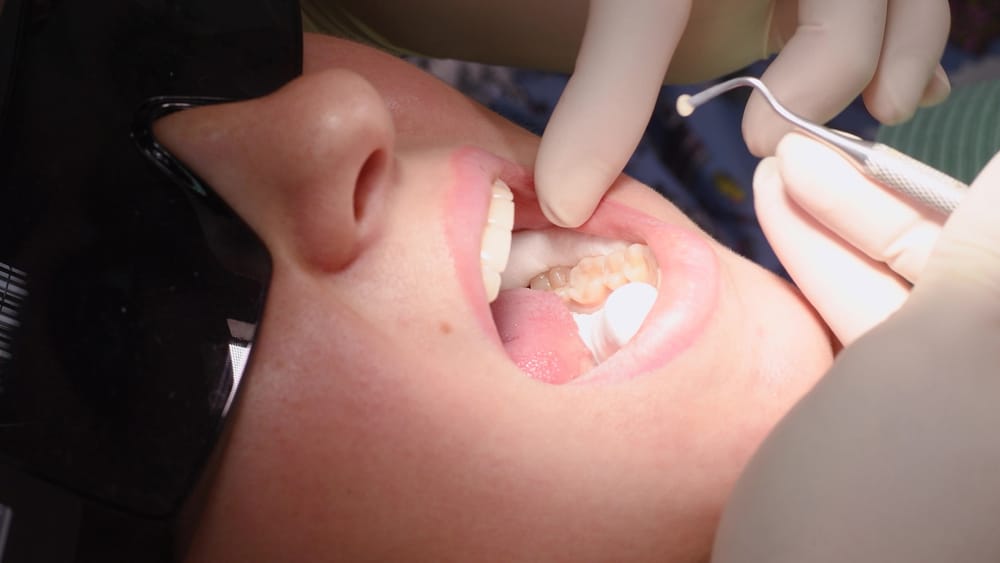
Dental bonding is one of the most direct procedures in cosmetic dentistry. A dentist applies tooth-colored composite resin to the tooth. A dentist shapes it by hand and hardens it with a curing light, all in one visit. Because it usually requires little to no enamel removal, bonding preserves more natural tooth structure than most cosmetic options. A narrative review published in Minerva Dental and Oral Science describes direct composite veneers as a practical, affordable, and reversible substitute for porcelain veneers.
Who Is a Good Candidate for Cosmetic Bonding?
Chipped teeth, small gaps, uneven edges, and minor discoloration are common reasons patients choose bonding. These are also cases where porcelain veneers would require permanent enamel removal to fix the same issue.
Patients who want cosmetic improvement without that commitment often find that bonding meets their needs right away. It also keeps future treatment options open. Dentists also use bonding to close small gaps between teeth or lengthen a tooth that looks shorter than the rest. It’s a popular first step for people easing into cosmetic dentistry.
How the Bonding Process Works, Step by Step
The bonding process follows a few clear steps in a single appointment:
- Tooth conditioning. The dentist applies a mild etchant to slightly roughen the enamel, which helps the bonding agent grip. Local anesthesia isn’t always needed, since the procedure rarely involves drilling.
- Layering the resin. The dentist applies a bonding agent, then builds up tooth-colored composite resin in thin layers. The dentist shapes each layer to match the surrounding teeth. A curing light hardens it before the next layer goes on.
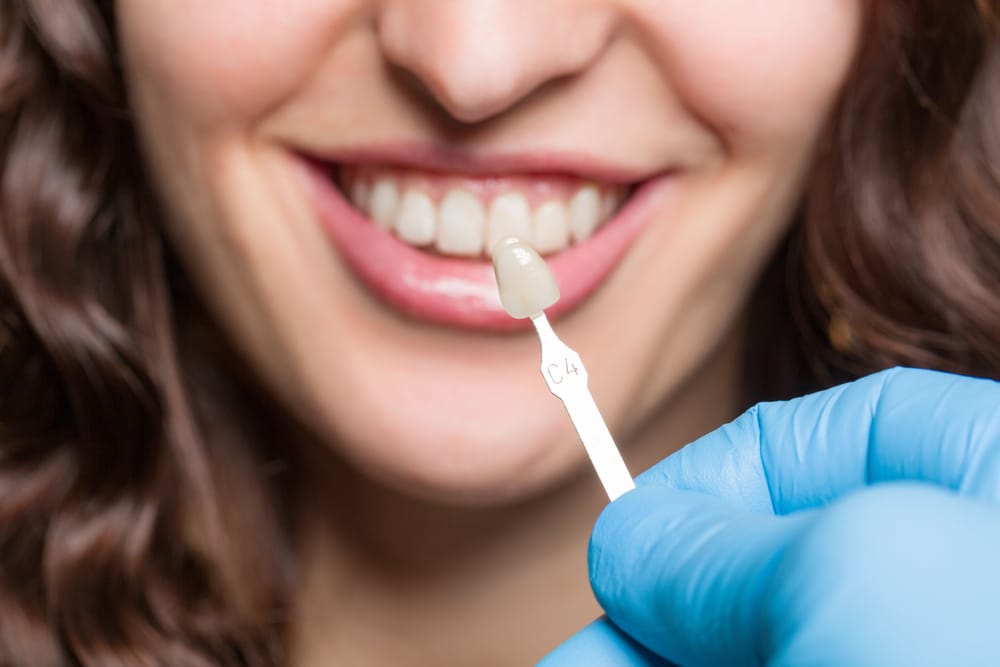
- Shade matching. Shade guides help select a color that blends with your natural enamel. This step relies on both technical skill and an artistic eye for detail.
- Final shaping and polish. Once the dentist builds up the resin, they smooth and polish the surface. The goal is a natural-looking part of the tooth.
- Final check. The dentist checks your bite to confirm the bonded tooth feels natural when you chew and speak.
This process skips the dental lab entirely. That means no lab fees and no temporary restorations between visits. If the bonding chips or needs adjustment later, a dentist can repair it without removing any additional enamel.
This single-visit approach is one reason bonding remains popular among patients easing into cosmetic dentistry. Because the resin sits directly on the tooth, most patients notice little to no discomfort during the appointment. Bonding won’t replace every type of dental work, but it’s an efficient option for many minor cosmetic concerns.
Composite Bonding vs. Porcelain Veneers: How to Choose the Right Smile Design Path
Choosing between composite bonding and porcelain veneers comes up often in cosmetic dentistry consultations. The right choice depends on your goals, timeline, and how much commitment you’re ready to make. Research published in the Journal of Conservative Dentistry and Endodontics notes that clinical decision-making for veneer selection usually weighs these same factors. Both options can improve the way your smile looks in photos and everyday life.
Porcelain veneers are thin shells a lab technician fabricates from digital scans or impressions of your teeth. A dentist bonds them to the front of each tooth after removing a thin layer of enamel. That removal is permanent, so the tooth will always need some type of coverage afterward. Veneers tend to resist staining well over time, which appeals to patients who drink a lot of coffee or tea.
Composite bonding works differently. The resin goes directly onto the tooth, usually without removing enamel. A dentist can adjust or repair results at a future visit without extra enamel loss. That flexibility matters for patients who want to see what a cosmetic change looks like before committing to something permanent.
What the Research Says About Longevity
Survival rates for composite bonding are often better than patients expect. A systematic review featured in Evidence-Based Dentistry found that survival at 2-10 years follow-up was 88%. Rates rose higher over shorter follow-up windows. That range reflects real results across many patients and dental practices.
Several factors affect how long bonding lasts. Bite forces matter most. Patients who grind or clench their teeth place more stress on bonded surfaces than normal chewing does. Staining from coffee, tea, or tobacco can build up on composite resin over time. That’s why regular checkups matter.
When Other Options Make More Sense
Bonding isn’t the right fit for every situation. A few common scenarios call for a different approach:
- Severe discoloration: Patients with heavily stained teeth may need teeth whitening first. Veneers may also offer better long-term color stability.
- Crowding or spacing issues: Moving teeth with orthodontic treatment or clear aligners before cosmetic work improves the final result.
- Structural damage: A full-coverage crown may work better than bonding or a veneer for teeth with significant damage.
A general dentist or cosmetic dentist can evaluate your bite, enamel health, and smile goals. They may use digital scans and sometimes wax-up models. Bonding works well as a first step for patients who want a cosmetic improvement now while keeping future options open.
Protecting Your Oral Health and Ensuring Long-Term Maintenance After Cosmetic Bonding
The bonding appointment itself is quick, but protecting the results is an ongoing effort. Composite resin responds to the same daily forces and habits as natural teeth.
Night Guards for Patients Who Grind Their Teeth
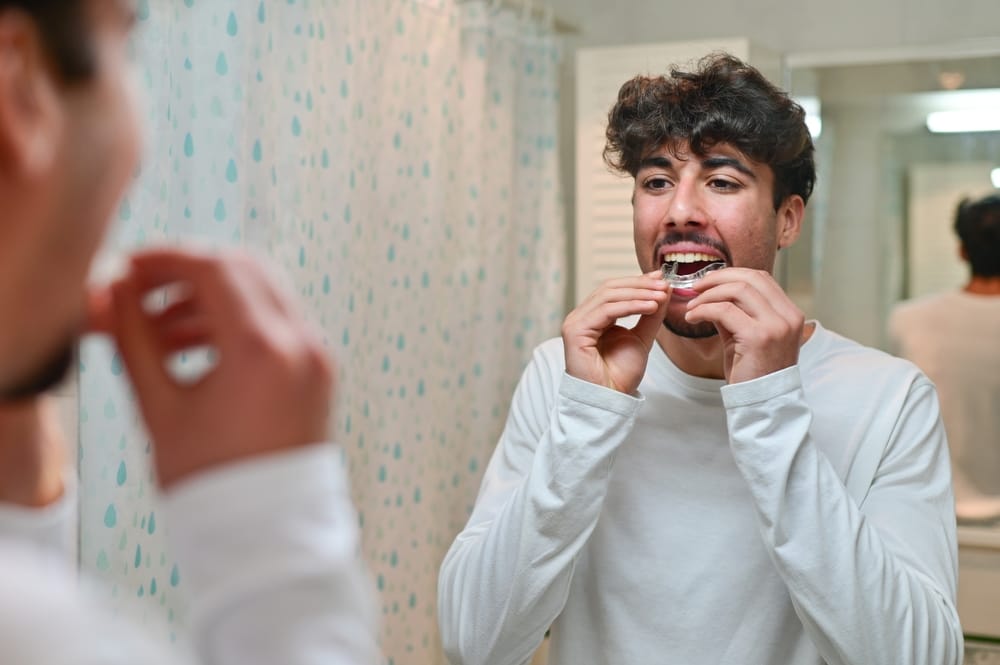
Grinding your teeth at night puts more pressure on bonded surfaces than daily chewing does. Over time, that extra force can chip or fracture composite resin. A custom-fitted night guard cushions your teeth during sleep and spreads pressure more evenly across your bite.
Many dentists also recommend periodic bite adjustments. This helps confirm that bonded teeth aren’t absorbing more force than they should when you close your mouth. Patients who wear a night guard consistently tend to see their bonding hold up longer.
Gum Health and Periodontal Disease Prevention
Gum health matters just as much after bonding as it did before treatment. Periodontal disease is common, affecting 4 in 10 U.S. adults aged 30 and older, according to the Centers for Disease Control and Prevention. Inflammation or tenderness around bonded teeth can signal this early gum disease, which affects the tissue and bone supporting your teeth.
If gum disease progresses, it can weaken the margins around bonded restorations and change how they fit against your gumline. Staying current with routine cleanings and checkups helps your dentist catch early warning signs. This can protect your cosmetic results.
Daily Habits That Protect Bonded Teeth
A few daily habits go a long way toward protecting your investment:
- Brush with fluoride toothpaste twice a day to protect enamel around the bonded areas.
- Use sensitivity toothpaste if you notice discomfort during the adjustment period.
- Avoid biting your nails, chewing ice, or using your teeth to open packaging.
- Rinse with water after acidic foods or drinks, and wait thirty minutes before brushing.
Acidic foods and drinks can soften enamel and weaken the bond between resin and tooth over time. Patients who stay consistent with these habits often see their bonding last longer. Results tend toward the higher end of the reported survival range.
Still Considering Veneers? Cosmetic Dental Bonding Might Fit Better
Cosmetic dental bonding gives patients a real path to a better smile. It skips the permanence of porcelain veneers and the complexity of a full smile makeover. It works in a single visit and preserves your natural tooth structure. A dentist can adjust or repair it as your smile goals change over time.
If you’ve been curious about cosmetic dentistry but weren’t sure where to start, this could be your sign. Talking to a dentist about whether bonding fits your situation is a smart next step. Many of our patients find it’s an easy, low-pressure way to address the smile concerns they’ve been putting off finally. Schedule your bonding consultation today!
FAQs
How much is dental bonding?
Dental bonding costs vary based on how many teeth need treatment, the extent of the repair, and your location. It generally costs less than porcelain veneers since it skips lab fees and uses a simpler technique. Most dental insurance plans partially cover bonding when it treats a functional issue. Ask your dentist for a personalized quote during a consultation.
What is cosmetic dental bonding?
Cosmetic dental bonding is a treatment that repairs chips, gaps, uneven edges, and minor discoloration using tooth-colored composite resin. A dentist applies the resin directly to your tooth, shapes it by hand, and hardens it with a curing light. The entire process happens in one visit and typically requires little to no enamel removal.
How long does dental bonding last?
Dental bonding typically lasts several years with proper care, though results vary by patient. Bite forces, oral hygiene habits, and exposure to staining foods or drinks all affect how long it holds up. Patients who avoid grinding, wear a night guard if needed, and keep up with regular checkups tend to see their bonding last longer.
Does bonding teeth hurt?
Bonding is generally a comfortable procedure since it rarely requires drilling into the tooth. Most patients feel little to no discomfort during the appointment. Local anesthesia isn’t always necessary, though your dentist may use it if reshaping occurs near the gumline or you have sensitivity. Mild sensitivity afterward is normal and usually fades quickly.
How long does it take to bond a tooth?
Bonding a single tooth usually takes 30 to 60 minutes, depending on the extent of the repair. The process includes conditioning the tooth, layering the composite resin, curing each layer, and polishing the final result. Treating multiple teeth in one visit takes longer, but bonding still finishes in a single appointment.
Citations/Sources:
- Practical, affordable, and reversible substitute for porcelain veneers, Minerva Dental and Oral Science
- Clinical decision-making for veneer selection, Journal of Conservative Dentistry and Endodontics
- At 2-10 years follow-up was 88%, Evidence-Based Dentistry
- https://www.cdc.gov/oral-health/about/gum-periodontal-disease.html