
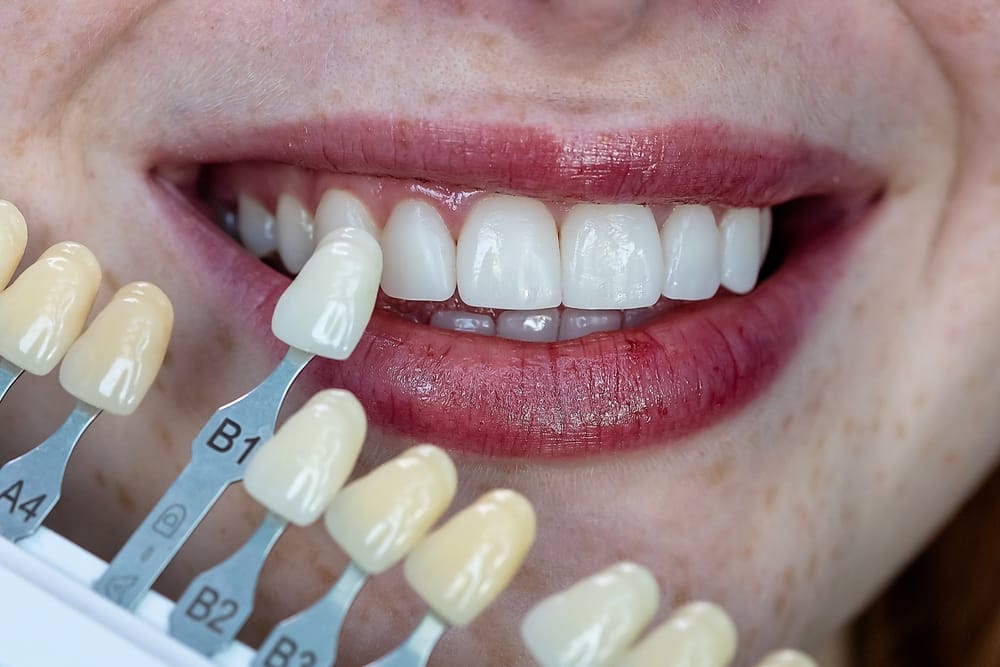
What are veneers? They are thin ceramic shells bonded to the front of teeth. They can correct discoloration, chips, gaps, and minor alignment problems. The results depend heavily on whether someone is the right candidate for the treatment. Veneers are a common cosmetic dental option, but not every smile needs the same approach.
This guide walks through the materials used and how the process works. It also covers who typically qualifies and what treatment realistically costs. Many patients come in after researching online, and the details can get confusing fast. Breaking the topic into materials, process, candidacy, and cost makes it easier to know what questions to ask at a consultation.
Key Takeaways
- Veneers are thin ceramic shells with strong long-term survival rates across major materials.
- The treatment typically spans two dental appointments, with material choice and lab work shaping the result.
- Bruxism, thin enamel, and gum disease can all affect whether veneers are the right fit.
- Veneers are a long-term investment, so understanding durability and cost helps you plan.
- The FAQs below answer the most common questions patients ask before a first consultation.
Porcelain Veneers, Ceramic Shells, and What Cosmetic Dentistry Can Actually Fix
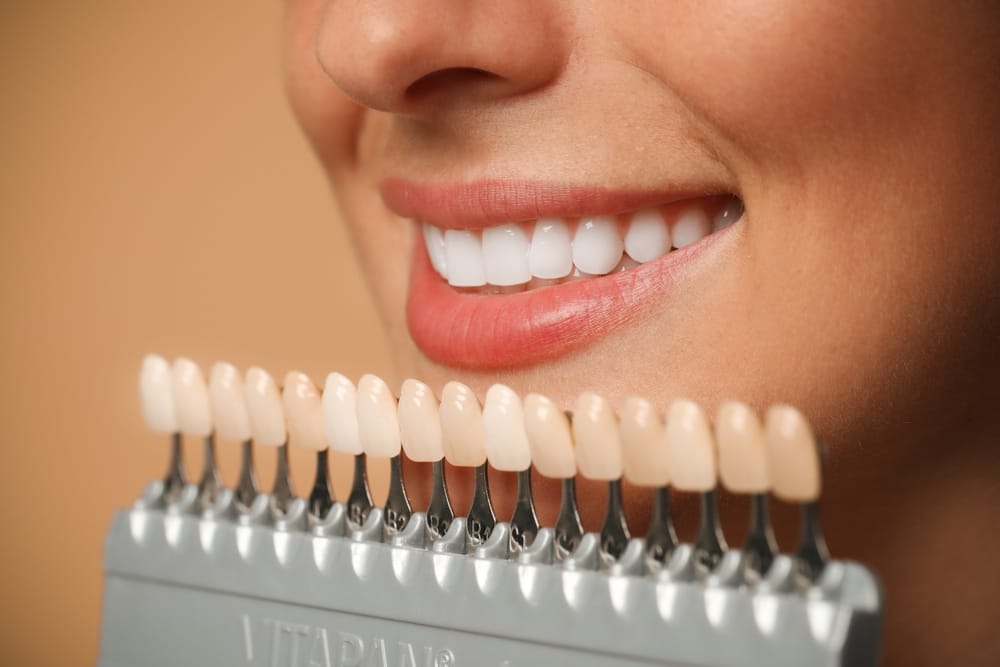
Dental veneers are thin ceramic shells bonded to the front surface of teeth. Dentists typically use feldspathic porcelain, leucite-reinforced glass ceramic, or lithium disilicate to make them, according to the Journal of Esthetic and Restorative Dentistry. Each material handles light differently, which affects how natural the final result looks.
Veneers commonly address discolored teeth, chipped or cracked teeth, gaps between teeth, and minor alignment issues. Tetracycline stains are one of the harder cases, since the discoloration runs deep into the tooth. Standard teeth whitening does not reach that depth of stain. Veneers can mask tetracycline stains in many cases, though shade matching requires extra care for a natural look. Some patients also come in with worn enamel from years of acidic drinks or aggressive brushing, and veneers can restore a more even, youthful shape to those teeth as well.
Long-term survival data is strong across all three ceramic materials. Research shows solid survival rates over observation periods averaging more than ten years. Those numbers reflect real-world durability when a dentist selects the right patients and places the veneers correctly. Regular dental visits still matter after placement, since a dentist can catch small issues, like a hairline crack or a loosening edge, before they turn into bigger repairs.
A single veneer is roughly the thickness of a contact lens, not thick or bulky. That thin profile makes veneers a more conservative option compared to dental crowns, which need more tooth reduction. This is part of why veneers have stayed popular for decades: they change how a tooth looks without asking the patient to give up much of the tooth itself.
The Smile Zone: Which Teeth Veneers Cover
The smile zone refers to the teeth visible when someone smiles. This usually means the upper front six teeth, often called the social six. Most veneer plans focus here because these teeth have the biggest visual impact on a smile.
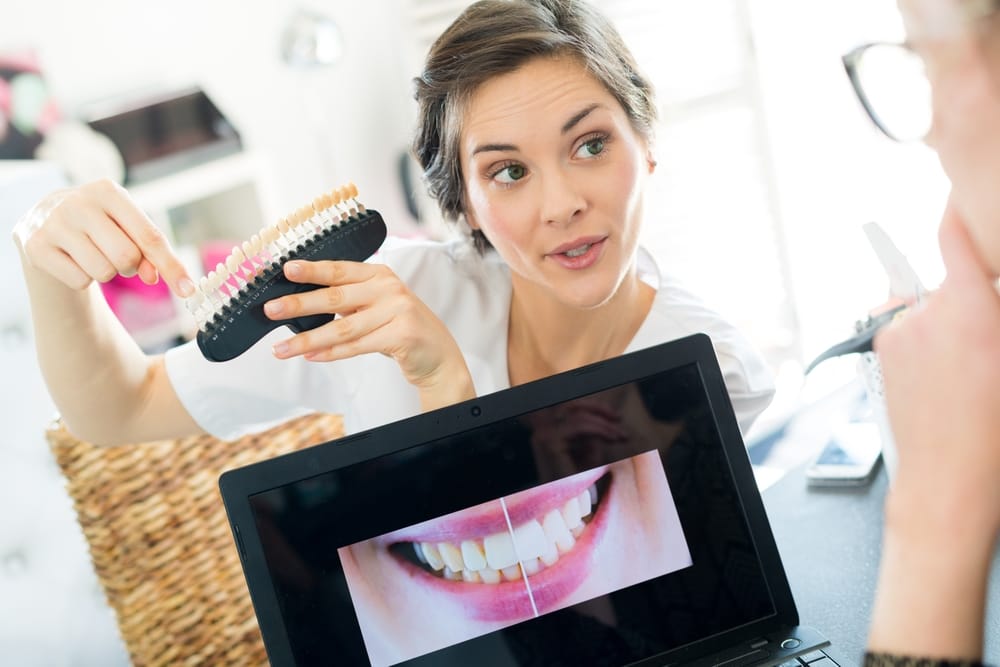
Patients pursuing full smile makeovers sometimes extend treatment to the premolars for a more consistent look. Full-arch cases require a thorough evaluation to confirm every tooth in the smile zone is a good candidate. An honest conversation about what cosmetic dentistry can and cannot accomplish should come before any treatment plan. Photos, digital mockups, or even a simple hand mirror during a consultation can help patients picture the outcome before committing to any preparation.
From Dental Laboratory to Bonding Day: How the Veneer Process Works
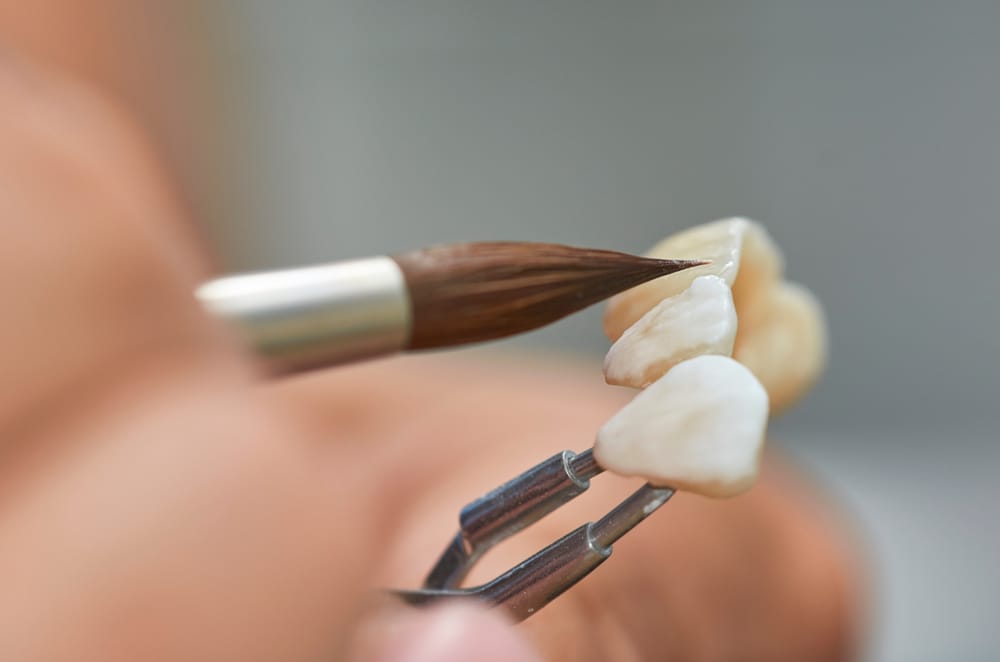
The veneer process typically involves two dental appointments. The dental laboratory plays a central role between them, with impression-taking procedures and provisional restoration fabrication detailed in Dental and Medical Problems. At the first appointment, the dentist files down 0.3 to 0.7 millimeters of enamel. This happens on the front of each treated tooth.
Research confirms that keeping preparation within enamel supports long-term bonding success. Extending the preparation into dentin weakens the bond over time. After preparation, shade matching selects the ceramic color that fits the overall smile. Patients are often surprised by how much thought goes into shade selection, since a veneer that looks slightly too white next to natural teeth can be just as noticeable as one that is discolored.
Impressions then go to a ceramics lab, where a technician fabricates the custom shells. Some practices use CAD/CAM technology to mill restorations in-office, cutting the time between visits. Digital smile design sometimes previews the expected outcome before any enamel filing begins. This preview step can be reassuring for patients who are nervous about permanently altering their teeth, since it gives them a clear picture before any drilling starts.
At the second appointment, the dentist bonds the custom shells to the prepared teeth with dental adhesive. Local anesthesia is available during preparation if sensitivity is a concern. Temporary restorations protect the teeth between visits, and patients should report any discomfort before the bonding appointment. Most people describe the bonding visit itself as far more comfortable than the preparation appointment, since that point already finishes the enamel work.
No-Prep and Composite Alternatives
No-prep veneers suit patients whose teeth need only minor cosmetic changes. They require little to no enamel filing, which makes them more reversible than traditional veneers.
Composite resin veneers and composite bonding skip lab fabrication entirely. A dental professional sculpts composite resin directly onto the tooth in one visit. Composite bonding is generally less durable than porcelain, but it can work well when cost matters most. It also tends to be easier to repair chairside, since a dentist can add or reshape material without sending anything to a lab.
Who Is, and Who Is Not, a Good Candidate for Veneers
Candidacy for veneers comes down to several clinical factors, and bruxism is one of the most significant, since research in the Journal of Clinical Medicine suggests bruxism may be a risk factor for fractures. Grinding and clenching can raise the risk of fracture and debonding. Patients who grind are not automatically ruled out, but they typically need a night guard first. Many people do not even realize they grind their teeth until a dentist points out the wear patterns during a routine exam.
Gum health and cavity risk also affect candidacy. Veneers bond to enamel. Patients with thin or damaged enamel may be better suited to dental crowns, which cover the whole tooth. Teeth that have had a root canal get extra evaluation, since treated teeth may not offer the same bonding surface. A tooth’s color and structural strength can shift slightly after a root canal, which is another reason a dentist checks these teeth closely before recommending veneers.
Nail biting creates shearing forces on ceramic that raise the chance of chipping, so dentists usually address that habit first. Orthodontic treatment may come before veneers when alignment problems go beyond what a thin shell can fix. Addressing bite alignment first can also protect the investment, since veneers placed on crowded or shifting teeth are more likely to chip or wear unevenly down the line.
Active gum disease is another barrier. Gum pockets need treatment before any cosmetic work begins. Placing veneers over inflamed gums puts both the restoration and the tooth at risk. A short course of periodontal treatment beforehand is common, and it usually only adds a few weeks to the overall timeline.
What Affects the Cost of Veneers
Cost varies based on several factors, and material type is one of the biggest. Lithium disilicate veneers usually cost more than composite resin veneers. The number of veneers, lab complexity, and whether the dentist uses digital smile design all affect the total.
Dental tourism is sometimes marketed as a way to save money. It carries real risk if complications appear after returning home. Ongoing check-ups and good oral hygiene are part of the long-term cost picture too. Veneers need the same care as natural teeth. Follow-up care can be harder to coordinate when the original provider is in another country, which is worth weighing against any upfront savings.
Dental insurance usually treats veneers as cosmetic and does not cover them. Many dental clinics offer financing options to spread out the cost. Discussing the full treatment scope during a consultation helps clarify cost. This gives an accurate picture before committing to a plan.
What are Veneers best for? Here’s the Honest Answer
What are veneers, and are they worth it in the end? They are a strong long-term option when the materials, preparation, and patient are the right match. Bruxism, thin enamel, and gum disease can all change which treatment path fits best. That might mean porcelain veneers, composite bonding, or dental crowns.
A clinical evaluation, not a general answer, is what determines the right fit for any smile. The best way to know for sure is to have your teeth examined in person rather than guessing from photos or reviews online. If you’re ready to find out what your teeth need, schedule a consultation with us today!
FAQs
What are composite veneers?
Composite veneers are made from tooth-colored resin that a dentist shapes and bonds directly onto your teeth in one visit. They cost less than porcelain and skip the lab step entirely. The tradeoff is durability. Composite typically wears faster and needs more frequent touch-ups than porcelain over time.
What are veneers made of?
Veneers are usually made from feldspathic porcelain, leucite-reinforced glass ceramic, or lithium disilicate, all thin ceramic materials that mimic natural tooth enamel. Composite resin is another option, applied directly to the tooth. Your dentist chooses the material based on your smile goals, budget, and how much tooth structure needs correcting.
What is the cost of veneers?
Veneer cost varies quite a bit depending on material, how many teeth you’re treating, and lab complexity. Composite resin tends to be the more affordable choice, while porcelain options like lithium disilicate cost more upfront. Many dental clinics offer financing to help spread out payments, so ask before ruling anything out.
What are the best veneers to get?
There’s no single best veneer, it depends on your teeth and goals. Porcelain options offer strong durability and a natural look for long-term smile changes. Composite works well for smaller fixes or tighter budgets. A dentist can evaluate your enamel, bite, and expectations to recommend the right material for you.
Are veneers reversible?
Traditional porcelain veneers are not reversible because enamel filing removes tooth structure permanently. No-prep veneers are more conservative and may be reversible in some cases. General Dentistry notes that minimally invasive or no-preparation porcelain veneers should be considered when the case allows.
Citations/Sources:
- Fabricated out of feldspathic porcelain, leucite-reinforced glass ceramics, Journal of Esthetic and Restorative Dentistry
- Impression-taking procedures, provisional restoration fabrication, Dental and Medical Problems
- May be a risk factor for fractures, Journal of Clinical Medicine
- Minimally invasive or no-preparation porcelain veneers, General Dentistry