

Oral sedation dentistry gives anxious patients a simple path through dental work. Swallow a prescribed pill, settle into the chair, and wake up with the treatment done.
For people who have avoided the dentist for years, fear is the biggest barrier. This approach removes it.
Key Takeaways
- Benzodiazepine medications like triazolam target GABA receptors to create deep calm and block procedure memories
- Continuous monitoring of heart rate, oxygen levels, and blood pressure keeps patients safe throughout treatment
- Patients must avoid driving or operating machinery for 24 hours while the medication fully clears
- The anti-anxiety pill breaks the avoidance cycle that turns small dental problems into major ones
- Medical history, current medications, and health conditions all determine whether oral sedation is right for you

How Benzodiazepine Medications Eliminate Dental Procedure Trauma
Triazolam and midazolam are the two benzodiazepines most commonly prescribed for oral sedation in dental settings. Here is how they work, why the pill format matters, and what you can expect on the day of treatment.
How the Pill Works in Your Brain
Both medications activate GABA receptors in the brain. That dials down the central nervous system, producing muscle relaxation and a deep, steady calm. According to StatPearls, published by the National Institutes of Health, Benzodiazepines bind to and activate GABA receptors, suppressing the central nervous system.
One of the most clinically significant effects is anterograde amnesia. While the medication is active, the brain stops forming new memories. Most patients have no recollection of the procedure at all. That memory gap matters because traumatic dental memories are what fuel ongoing dental phobia.
Why Pill Form Beats Other Delivery Methods
You take the prescribed pill about one hour before your appointment. That window lets medication levels peak as treatment begins. The calming effect is already working before you sit in the chair.
The pill-only delivery method removes a major obstacle for patients with needle phobia. Unlike IV sedation, oral sedation requires no injections or equipment insertion. You simply swallow the dose with water at home before leaving for the office.
What You Can Expect During Treatment
This approach makes it possible to complete multiple procedures in a single visit. Patients who have avoided care for years often need several treatments addressed at once. Oral sedation holds that calm long enough for procedures like root canal treatment or crown placement. No need to break the session into multiple anxiety-filled appointments.
One important distinction: oral sedation is not general anesthesia. You stay conscious and responsive throughout the procedure. Your protective reflexes remain intact, including your ability to breathe independently and respond to your dental team. That conscious state is what makes this option safe and accessible in a regular dental office setting.
Laughing gas fades within minutes of removing the mask. Oral benzodiazepines hold their effect for several hours, giving your dentist time to work carefully without rushing.
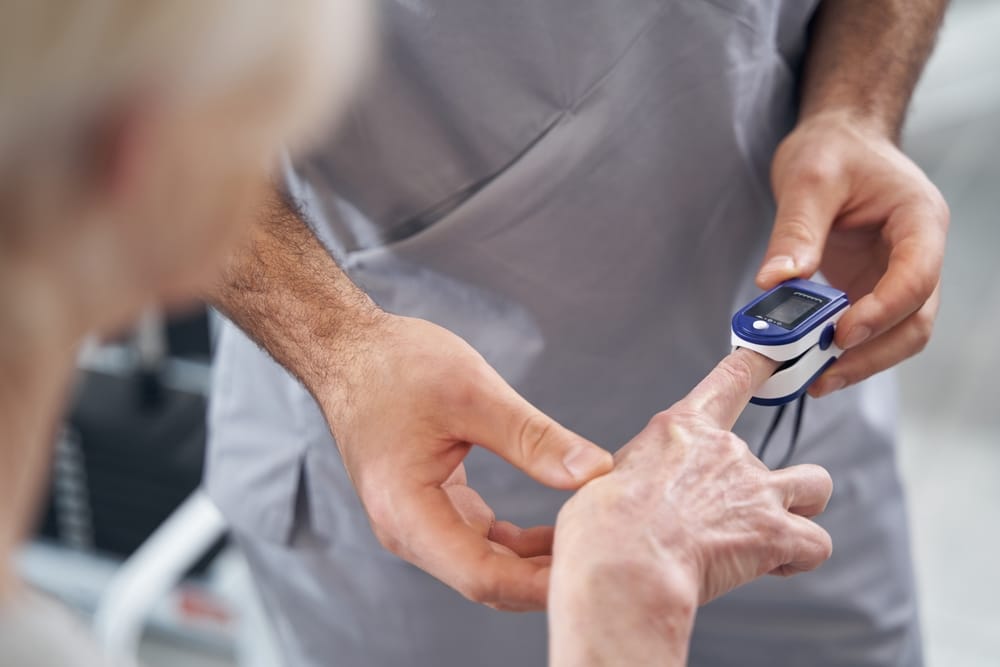
Vital Sign Monitoring During Conscious Sedation Procedures
Patient safety is the backbone of every sedated appointment. Three monitoring devices run continuously throughout treatment, and the care team stays prepared for any situation that may arise.
The Three Vital Signs Your Team Tracks
Patient safety depends on continuous, real-time tracking. Three core vital signs get monitored throughout: oxygen saturation, blood pressure, and heart rate. Pulse oximetry tracks oxygen levels from start to finish, catching breathing changes before they become complications. Blood pressure cuffs record cardiovascular response at regular intervals. Heart rate monitors flag any changes in cardiac function. Researchers writing in Anesthesia Progress concluded that light sedation on low-risk ASA groups is the safest method for sedation in a dental outpatient setting.
These monitoring layers create multiple safety checkpoints throughout your appointment, not just at the beginning and end.
Who Is and Is Not a Candidate
Because oral conscious sedation keeps you conscious, your body continues doing the critical things on its own. You breathe independently without mechanical help. Your gag reflex stays active, protecting your airway. You respond when your dental team speaks to you. These preserved reflexes create a meaningful safety margin compared to deeper sedation levels.
Research comparing sedation methods shows oral midazolam produces fewer side effects than IV alternatives while maintaining effective anxiety reduction. Gradual absorption through the digestive system lets your body adjust slowly. That reduces the risk of sudden blood pressure drops or breathing changes common with faster-acting delivery methods.
Pre-procedure health screenings are where candidacy gets determined. Your dentist evaluates several conditions carefully before approving sedation:
- Uncontrolled high blood pressure or recent cardiac events
- Severe sleep apnea or chronic obstructive pulmonary disease
- Current medications that interact with benzodiazepines
- Age and body weight factors that affect safe dosing
Emergency Preparedness and Discharge
Emergency protocols stay prepared throughout every sedated appointment. Reversal medications like flumazenil can counteract benzodiazepine effects immediately if respiratory depression occurs. Oxygen delivery equipment stays within reach. Dental teams maintain current CPR certification and keep direct lines to emergency services available.
Recovery monitoring continues after the procedure ends. Before discharge, the team confirms vital signs are stable, checks alertness, and walks the escort through full post-care instructions. Only then does the patient leave for home recovery.

Recovery Timeline and Transportation Safety Requirements
Most patients feel back to normal within a day, but the recovery period has specific rules that protect you even when you feel fine. Here is what the 24-hour window covers and why each part of it matters.
Why the 24-Hour Window Exists
The 24-hour restriction period exists because metabolism varies significantly between patients. Genetics, age, liver function, kidney health, and other medications all affect how quickly the body clears benzodiazepines. As noted in the Annals of Maxillofacial Surgery, verbal contact with the patient is maintained throughout the period of sedation, underscoring why conscious monitoring continues well past the procedure itself. The full-day window protects every patient, regardless of individual clearance speed.
Escort Duties and Driving Restrictions
You need a responsible adult escort for the entire day, not just the drive home. This person monitors for unusual reactions during recovery, such as excessive drowsiness, confusion, or changes in breathing. They help follow post-procedure care instructions and contact the dental office if anything unexpected arises.
Driving restrictions apply even when patients feel mentally clear. The sedation medication continues affecting coordination, visual processing, and decision-making for hours after the obvious drowsiness fades. These subtle effects are dangerous behind the wheel even on short trips.
What to Eat, Do, and Avoid at Home
Recovery at home goes smoothly for most patients when they follow a few basic guidelines:
- Eat soft foods that minimize chewing pressure on treated areas
- Choose cold foods and drinks to soothe tender tissue
- Avoid hot liquids that may increase bleeding or discomfort
- Stay well-hydrated to support medication clearance
Activity restrictions extend beyond driving. Signing legal documents, making financial decisions, or handling important business matters should wait until the full 24-hour period has passed. The medication can affect judgment and reasoning even when a patient feels alert.
Most patients feel back to normal within 18 to 24 hours. Initial drowsiness gives way to normal alertness as medication levels fall. Coordination and reaction times return to baseline as the benzodiazepine clears.
Oral Sedation Dentistry: The Pill That Ends Years of Avoiding the Dentist
Oral sedation dentistry changes the trajectory for patients whose dental anxiety has been driving real oral health damage. Skipped cleanings become cavities. Untreated cavities become root canal needs. Gum disease progresses from reversible gingivitis into bone loss requiring full mouth reconstruction or tooth extraction. The anti-anxiety pill interrupts that cycle by making appointments manageable again.
The memory gap created by anterograde amnesia is a key part of why this works long-term. A primer on anxiolysis published in Anesthesia Progress found that anxiolytic, hypnotic, and amnesic effects, which are desirable in dental patients, are central to what makes these medications effective. With no new traumatic memory formed, patients often find subsequent visits less frightening. Some eventually feel comfortable enough to manage routine care without sedation at all.
If dental fear has been keeping you away, a sedation consultation with Dental Design Studios is the right first step. Visit us today!
FAQs
What is oral sedation dentistry?
Oral sedation dentistry uses a prescribed anti-anxiety pill, typically a benzodiazepine like triazolam or midazolam, taken about an hour before your appointment. It suppresses the central nervous system to produce deep calm and muscle relaxation. Most patients have little to no memory of the procedure once it wears off.
Why don't dentists use nitrous oxide anymore?
Many dentists still offer nitrous oxide, but its effects fade within minutes and it provides minimal amnesia. For patients with moderate to severe dental anxiety, oral sedation delivers deeper, longer-lasting calm throughout the entire procedure. Nitrous oxide works best for mild anxiety and shorter appointments rather than complex dental work.
Do you feel pain with oral sedation?
Oral sedation reduces anxiety and creates deep relaxation, but it is not a painkiller on its own. Your dentist still administers local anesthetic to numb the treatment area. The combination means most patients feel no pain and remember nothing. You stay comfortable from start to finish without relying on sedation alone.
What is sleep dentistry?
Sleep dentistry is a common term for sedation dentistry, particularly oral conscious sedation. You are not fully asleep, but deeply relaxed and largely unaware of the procedure. Most patients describe it as waking up with the work already done. The name reflects how calm and disconnected the experience feels throughout.
Are you put to sleep for a root canal?
You are not typically put fully to sleep for a root canal. Local anesthetic numbs the area completely, and oral sedation can be added for anxious patients to create deep calm throughout the procedure. Most patients are surprised by how comfortable the experience is with the right sedation approach in place.