
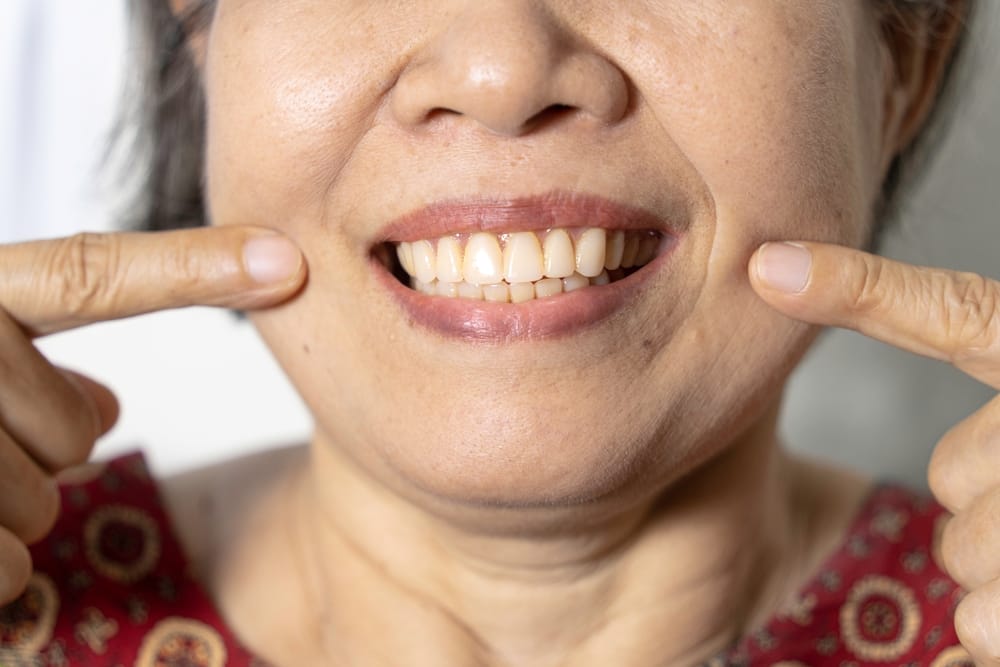
Full mouth restoration comes in several forms, and the right choice depends on your bone health, budget, and lifestyle. All-on-4 and All-on-6 use implants anchored in your jawbone to provide a permanent, bone-preserving result. Traditional dentures are removable and more budget-friendly upfront, while fixed bridges fill gaps by anchoring to neighboring teeth.
Each option has real trade-offs worth understanding before you commit.
Key Takeaways:
- All-on-4 and All-on-6 use angled implants, often skipping costly bone grafts.
- Traditional dentures run $1,000–$3,000 per arch but need replacing every 5–10 years.
- Fixed bridges rely on healthy neighboring teeth and require special cleaning tools.
- HSA, FSA, and tax deductions can meaningfully lower your real implant cost.
- Timelines, bone requirements, and food restrictions differ significantly across all options.

All-on-4 vs. All-on-6: Is More Always Better?
Both options replace a full arch of teeth using a small number of implant posts. The difference comes down to how many posts your jaw needs and what your bone can support.
What Makes All-on-4 and All-on-6 Different From Regular Implants
Standard implants replace one tooth per post. All-on-4 dental implants use just four titanium posts, placed at angles, to support an entire arch of prosthetic teeth.
That angled placement works around weaker bone areas, so most patients skip bone grafting entirely. All-on-6 follows the same logic with two extra posts for added stability, which some patients need based on bone density and chewing forces.
You Could Walk Out With Teeth the Same Day
Surgery for either option typically takes two to four hours per arch. You leave with a full set of temporary teeth the same day.
Your final prosthetic teeth come after three to six months of healing, once your jaw has fully bonded with the posts.
What Healing Actually Looks Like
Healing occurs through a process called osseointegration, in which your bone grows around each titanium post as it would around a natural root. This takes three to six months and involves regular checkups with your dental provider.
Factors such as a history of gum disease, smoking, and overall health affect your healing time. Your provider will map out a realistic treatment timeline during your initial evaluation.
4 Reasons Implants Protect Your Face Over Time
Implant posts do more than hold teeth in place. Here is what they protect against:
- Jawbone stimulation: Chewing forces through the posts keep your bone from shrinking.
- Facial structure preservation: Without roots, the bone beneath your cheeks and chin slowly collapses. Implants prevent this.
- Stability: No slipping, no clicking, no adhesives needed.
- Durability: Prosthetic materials resist staining and wear better than natural enamel.
These long-term benefits explain why implant-based solutions often deliver stronger value over a lifetime than removable alternatives.
Traditional Dentures: The Affordable Option Nobody Tells You the Full Truth About
Dentures are the most widely chosen starting point for tooth replacement, largely because of their lower upfront cost. But the full picture includes trade-offs that many patients only discover after they commit.

How Dentures Actually Work Day-to-Day
Traditional dentures sit on your gums and stay in place through suction and adhesive creams. Complete dentures replace a full arch, while partial dentures fill gaps around remaining teeth.
Getting fitted takes several appointments over a few weeks. Your dental provider takes impressions, tests fit during trial appointments, and adjusts for comfort before finalizing your dentures.
Foods You’ll Have to Give Up (And Why)
Dentures reduce your chewing power significantly. Many patients find themselves cutting out foods they used to enjoy.
- Sticky foods like caramel or gummy candy
- Hard foods like nuts or crusty bread
- Corn on the cob
- Chewy meats that require a strong bite force
Implant-supported dentures snap onto two to four implant posts and reduce most of these food restrictions.
The Hidden Cost of “Cheaper” Dentures
When no implant posts replace the tooth roots, the jawbone underneath starts to shrink. This bone loss changes your facial shape over time and causes your dentures to fit differently, requiring relines and adjustments.
Dentures typically last five to ten years before needing full replacement. Add in repair visits, adhesives, and relines, and the long-term cost climbs well above the initial price tag.
When Dentures Are Actually the Right Call
For patients with medical conditions that slow healing, dentures offer a faster and lower-risk path to restored function. They also work well as a temporary solution while patients prepare for implant treatment.
Heart disease patients should also know that some denture adhesives contain zinc, which can interfere with certain medications. Your dental provider will recommend appropriate products based on your medical history.
Fixed Bridges: The Middle-Ground Option Most People Overlook
A fixed bridge fills a gap using the teeth on either side as anchors, with an artificial tooth suspended between them. It sits permanently in your mouth and provides a stable chewing function without surgery.
How a Fixed Bridge Is Built
Your dental provider shapes the neighboring teeth to fit the crowns, then attaches the artificial tooth between them as a single connected unit. The process spans two to four weeks across a few appointments: tooth preparation, temporary coverage while your bridge is made, and final cementation.
The Catch Nobody Mentions at the Consultation
Preparing the anchor teeth involves permanently removing enamel. Those teeth are now committed to lifelong crown coverage, regardless of what happens later.
If an anchor tooth develops an infection or decay, the entire bridge may need to be replaced. That complication could also require root canal therapy to save the tooth before any new restoration can be placed.
How Long Will Your Bridge Actually Last?
Bridges are durable, but they have a lifespan that depends on several factors:
- Bridges typically last 10–15 years with proper care
- Grinding or clenching shortens lifespan significantly
- Poor cleaning under the pontic leads to decay in the anchor teeth
- Cosmetic dentistry goals affect material selection for front-tooth bridges, where appearance matters most
Cleaning a Bridge Is Different: Here’s What to Expect
Regular floss cannot reach under the pontic, where bacteria accumulate. A bridge flosser or water flosser becomes a daily necessity.
Professional cleanings matter even more for bridge patients, since buildup under the pontic can silently cause damage before symptoms appear.
Is the Sticker Price Lying to You? The Real Cost of Each Option
Most patients compare upfront costs and stop there. The actual financial picture only becomes clear when you factor in years of use, replacements, and available savings tools.
Upfront vs. Lifetime Cost: A Comparison That Might Surprise You
Traditional dentures cost $1,000–$3,000 per arch upfront, which may look attractive compared to implant pricing. But over 30 years, replacement cycles, adhesives, relines, and adjustments add up to a significant total.
A peer-reviewed study in PMC, the National Library of Medicine’s research database, found that while implants cost more upfront, their long-term success rates and patient satisfaction make them the better value over time.
3 Ways to Lower Your Actual Out-of-Pocket Cost
You have more financial tools available than most patients realize:
- IRS deduction: According to IRS Publication 502, dental treatment costs count as deductible medical expenses once they exceed 7.5% of your adjusted gross income.
- HSA/FSA: IRS Publication 969 confirms that qualified medical expenses include dental costs eligible for the medical expense deduction, which is why pre-tax HSA or FSA dollars typically cover implant treatment, cutting your effective cost by 20–30% depending on your tax bracket.
- Payment plans: Many practices offer interest-free financing through third-party partners, spreading costs without adding fees.
Teeth whitening and other cosmetic add-ons are sometimes bundled into restoration packages, giving you better value than booking procedures separately.
Does Insurance Actually Cover Any of This?
Traditional dentures typically receive higher coverage percentages than implants. That gap is narrowing as more plans recognize full-arch implant treatment as medically necessary rather than cosmetic.
Call your insurance provider directly to ask. The answer has changed for many patients in recent years.
How All-on-4 Can Actually Be the Cheaper Implant Option
Angled implant placement avoids bone grafting in most patients and reduces total surgical time. Both of those factors directly lower your overall treatment cost compared to placing individual implants across a full arch.

Full Mouth Restoration: The Choice You’ll Live With for Decades
Full-mouth restoration is not a one-size-fits-all decision. Your bone health, treatment timeline, budget, and long-term smile goals all point toward different answers for different patients.
Implant-based options preserve bone and deliver lasting function. Dentures offer speed and lower upfront cost. Bridges fill small gaps without surgery but carry long-term risks to the anchor tooth.
Gum health must be addressed before any restoration begins. Periodontal therapy may need to come first, regardless of which path you choose.
The right starting point is an honest conversation with a qualified dental provider who can evaluate your specific needs. Explore your dental implant options at Dental Design Studios to determine which approach best fits your bone health, lifestyle, and budget.
FAQs
How much is a full mouth restoration?
Costs vary widely by type. Traditional dentures run $1,000–$3,000 per arch. Fixed bridges cost several thousand dollars, depending on the materials used. Implant options like All-on-4 carry higher upfront costs, but research shows they prove more cost-effective in the long term. HSA/FSA funds and IRS deductions can significantly reduce your actual expenses.
How long does it take for full mouth dental implants?
All-on-4 or All-on-6 surgery typically takes two to four hours per arch. You leave with temporary teeth the same day. Full healing takes three to six months before permanent prosthetic teeth are placed. Your timeline depends on bone health, gum disease history, and lifestyle factors.
Can I eat normally with dental implants?
Once healing completes, implant-supported teeth restore near-normal chewing function. Most patients return to eating foods they gave up with dentures, including crunchy vegetables, meats, and harder breads. The stable titanium foundation eliminates slipping and bite-force limitations that come with removable options. Traditional dentures and bridges come with more dietary restrictions.
What daily care do implants require?
Implant-supported restorations need brushing and flossing just like natural teeth: no overnight soaking, no adhesives, no special removal routine. Your dental provider may recommend a water flosser for cleaning around the prosthetic base. Regular professional cleanings remain important for monitoring gum health around the implant posts.
Do I need bone grafting before implants?
Not always. All-on-4 and All-on-6 use angled titanium post placement to work around weaker bone, allowing many patients to skip grafting entirely. Your provider evaluates jawbone density using 3D CBCT imaging before recommending a path. A study in the European Journal of Oral Implantology found that angled implant placement can restore a worn upper jaw without requiring a separate sinus lift.