
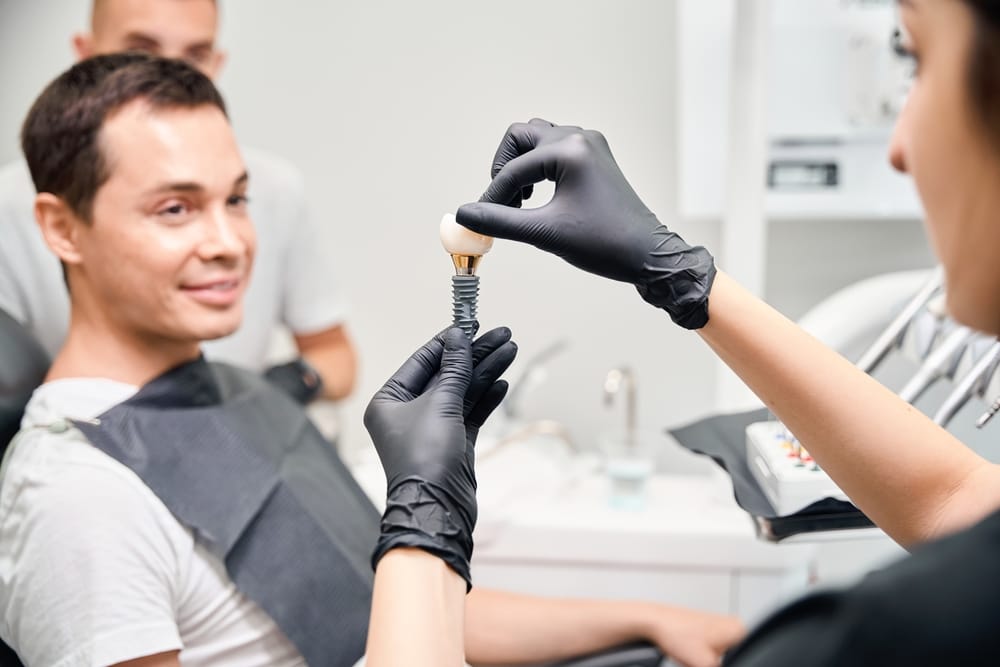
The dental implant process step by step, follows a specific biological sequence that takes several months to complete. Each healing phase builds on the previous one, creating the stable foundation your new tooth needs. Knowing what happens at every stage helps you prepare for recovery and understand when you will see your final results.
Key Takeaways:
- Blood clot formation and peak swelling occur within the first 72 hours, and swelling can be managed with ice packs and prescribed pain medication.
- Osseointegration begins within two to six weeks, as your titanium post fuses with the jawbone over two to six months.
- Infection accounts for about 15% of complications, making proper oral hygiene and follow-up appointments critical for success.
- Modern implant technology allows same-day temporary teeth for All-on-X patients with complete restoration in six months.
- Recovery questions focus on soft foods, pain management, ice pack use, and proper oral hygiene practices.
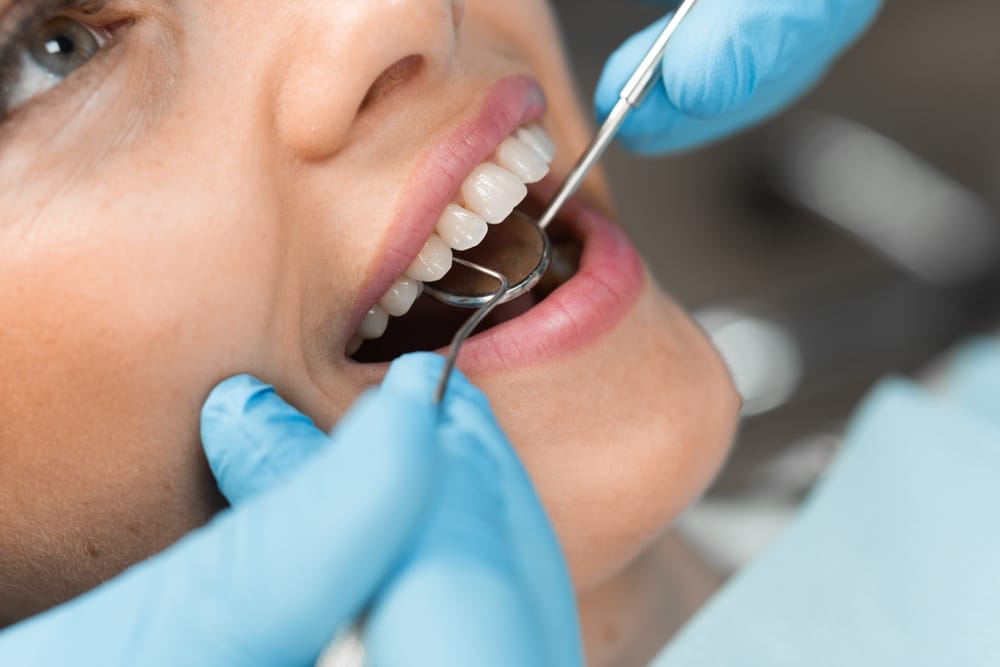
What Really Happens the Day of Your Implant Surgery
Dental implant surgery sets a biological process in motion that your body manages largely on its own. The first week involves managing discomfort, protecting the surgical site, and giving your tissues the conditions they need to heal.
The first 24 hours: Pain, swelling, and blood clot formation
Your body starts healing within minutes of dental implant surgery. A blood clot forms around the surgical site to protect the new titanium post. This clot acts like a natural bandage, keeping bacteria out while your tissues begin to regenerate. The local anesthesia keeps you comfortable during the procedure, but it wears off within a few hours. You might feel some throbbing pain as the numbness fades. This discomfort is normal and shows your body is responding to the surgery as expected. Peak swelling hits between 24 and 72 hours after surgery. Apply ice packs for 15-minute intervals with a thin cloth barrier between the pack and your skin. The cold temperature constricts blood vessels and limits the inflammatory response that causes post-surgical swelling.
What you can eat and do in the first week
Your soft-food diet protects the implant site while the blood clot stabilizes. Stick to these approved options during the first week:
- Yogurt and smoothies
- Mashed potatoes and scrambled eggs
- Soup and protein shakes
- Soft-cooked vegetables
Avoid hard, crunchy, spicy, or very hot foods that could disturb the clot. Return to work within two or three days, but avoid heavy lifting or strenuous exercise for at least one week. Gentle saltwater rinses keep the area clean without disturbing this delicate sealing process.
Your first follow-up appointment
Your dental team schedules a check-in within one week of surgery. They confirm your gums are healing properly and that no infection has developed around the implant site. This early monitoring catches complications before they become serious problems.
Osseointegration: The Bone Fusion Process Most Patients Never See
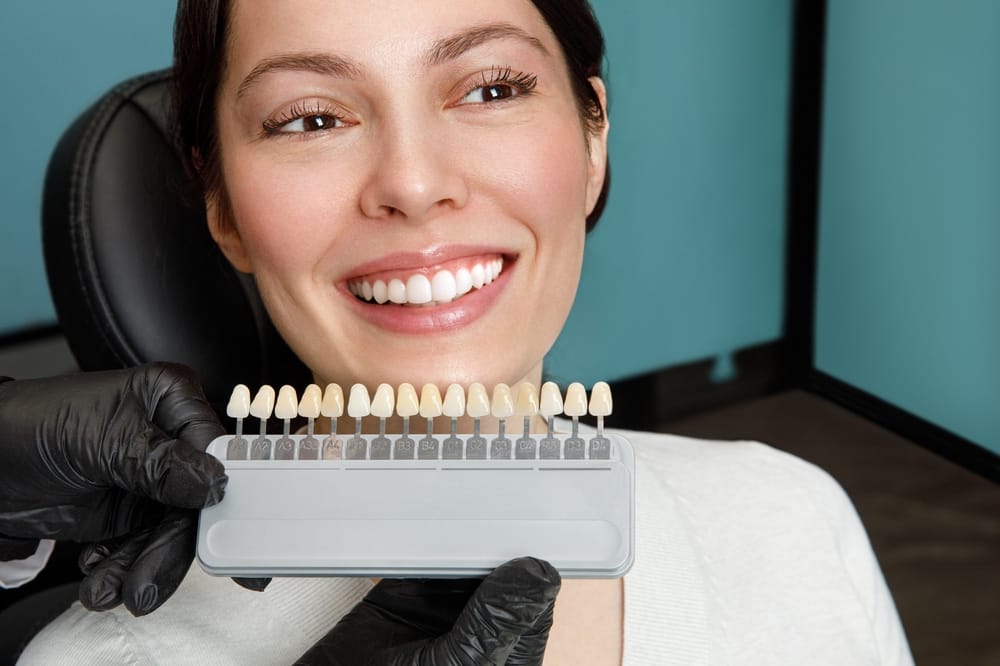
Most patients focus on visible healing, but the most important process happens beneath the surface. Osseointegration, the fusion of your jawbone to the titanium post, determines the long-term stability of your entire restoration.
What osseointegration actually means
Osseointegration is the process of your jawbone growing directly onto the implant surface. Titanium implants feature specialized surface treatments that encourage bone cells to attach and proliferate around the post. A review in PMC found that this process creates a permanent bond capable of supporting normal chewing forces for decades. The implant becomes strong enough to handle normal chewing forces at this point. Complete osseointegration can take longer depending on bone quality, overall health, and implant location.
When bone grafts, or sinus lifts, push the timeline further
Patients who need bone grafting before implant placement require 3 to 6 months for full healing. The grafted bone must integrate with your natural bone before the implant can fully bond. This extended healing time builds the strongest possible foundation for your permanent crown. Sinus lifts involve more complex surgery and also extend the recovery timeline. These procedures gently lift the sinus membrane and place bone graft material to create space in the upper jaw.
How your health and bone quality affect healing speed
Dense, healthy bone bonds with implants faster than soft or compromised bone. Age and nutrition both play a role in how quickly osseointegration completes. Patients with good dietary habits typically experience faster bone integration than those with chronic health conditions. The placement of the healing abutment at six to eight weeks marks a key milestone. This small connector piece shapes your gum tissue around the implant and prepares the site for your final crown.
The Infection Risk Nobody Warns You About (And How To Beat It)
Infection is the most common threat to implant success, and most cases are preventable. Understanding what raises your risk and what reduces it gives you the best chance of a smooth recovery.
Why infection is the number one threat to your implant
Infection causes about 15% of implant complications. Data published in PubMed shows that post-surgical infection remains one of the leading causes of early implant failure. Proper oral hygiene and careful post-operative care prevent most of these problems. Recognizing the risk helps you take the right steps to protect your investment.
Daily habits that protect your implant during healing:
Build these habits into your daily routine from day one:
- Rinse with salt water twice daily using half a teaspoon dissolved in warm water.
- Use a soft toothbrush only, with gentle pressure around the implant area.
- Avoid strenuous exercise and heavy lifting for the first week after surgery.
- Use a water flosser on the lowest setting to remove debris without traumatizing healing tissues.
- Attend all scheduled follow-up appointments without skipping.
Smoking significantly increases infection risk and slows bone healing. Nicotine reduces blood flow to healing tissues and weakens your immune response. Your dental professional will recommend stopping at least two weeks before surgery and throughout the full healing period.
Temporary crowns and the path to your permanent restoration
Temporary crowns serve as functional placeholders while your permanent crown is being fabricated. They also help maintain proper gum shape during the final healing phase. Eat carefully with temporary crowns to avoid damaging them or the underlying healing implant. Final crown placement completes the tooth replacement process.
Same-Day Smiles And The Tech Changing How Fast You Heal
Modern implant technology has changed what patients can expect from the recovery timeline. Advances in surgical planning, implant surfaces, and sedation options have reduced discomfort and shortened the path to a final smile.
How All-on-X patients get teeth the same day
All-on-X procedures allow many patients to leave surgery with temporary teeth already in place. These same-day restorations allow you to eat and speak normally while osseointegration continues beneath the surface. Strategic implant placement angles avoid sinuses and nerves, often eliminating the need for bone grafting. Complete restoration for full-arch implants typically occurs within six months.
Computer-guided surgery, sedation, and why success rates top 95%
Computer-guided surgery improves placement precision and reduces trauma to surrounding tissues. Less surgical trauma means faster healing and fewer post-procedure complications. Research in PMC confirms that a 95% survival rate is the benchmark for successful implant therapy when proper protocols are followed.
What Living Through Implant Recovery Actually Feels Like
The day-to-day experience of implant recovery involves managing pain, adjusting your diet, and adapting your oral hygiene routine. A systematic review in PMC found that adherence to post-operative care was consistently associated with improved clinical outcomes, including reduced complications and lower implant loss.
Pain, diet, and oral hygiene week by week
Most patients transition from prescription pain medication to over-the-counter ibuprofen or acetaminophen within three to five days. Persistent or increasing pain after this window may signal a complication that needs attention. Your diet expands gradually as healing progresses:
- Week 1: No-chew foods only, yogurt, smoothies, soup, soft eggs.
- Week 2: Fork-mashable foods added, soft pasta, cooked vegetables.
- Weeks 3-4: Most foods allowed, still avoiding very hard or sticky items.
For the oral rinse protocol, use salt water only for the first few days to avoid disturbing the blood clot. Add gentle brushing around the implant site after week one. Resume normal oral hygiene with careful attention to the implant area by week two.
Sleep, activity, and follow-up scheduling
Sleep with your head elevated for the first few nights to reduce swelling and promote drainage from the surgical site. Avoid heavy lifting, bending, or vigorous exercise for the first full week. Return to normal activities gradually, guided by your body’s healing response rather than a fixed date. Your follow-up schedule should look like this: one week, two weeks, six weeks, and three months post-surgery. Early appointments catch problems when they are easiest to address.
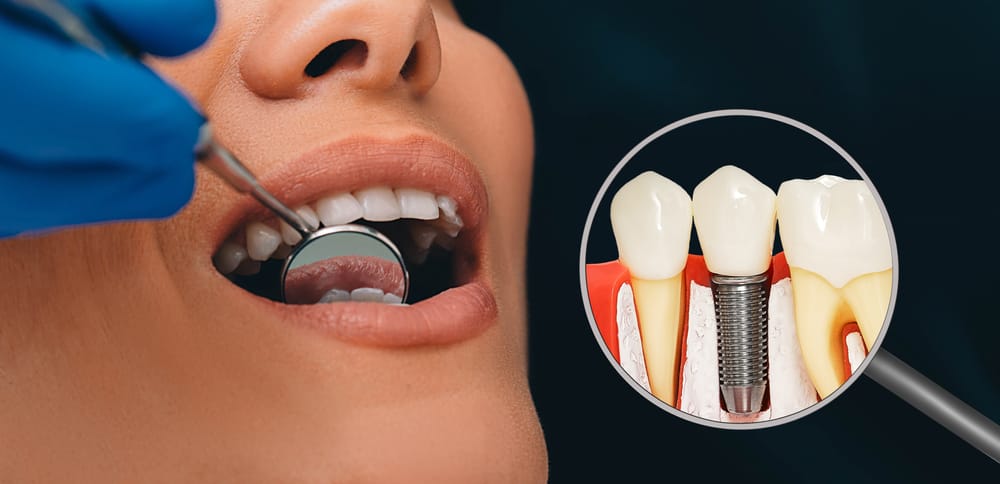
Your Complete Dental Implant Process Step By Step Ends With A Smile Worth The Wait
The dental implant process step by step, moves from surgery day to final crown through a series of predictable, well-understood healing stages. Each phase serves a specific purpose in building the stable foundation your new tooth needs. Modern technology has made the process more comfortable and the outcomes more reliable than ever before. If you are ready to take the next step toward a permanent smile with full-mouth dental implants, visit us today.
FAQs
What is the process for dental implants?
The dental implant process involves several stages: a consultation and treatment plan, implant surgery to place the titanium post, an osseointegration period where bone fuses to the implant, abutment placement, and final crown attachment. Each step builds on the last to create a stable, natural-looking permanent tooth.
How long is the process of dental implants?
The full process typically takes three to six months for most patients, though timelines vary. Patients who need bone grafting or sinus lifts may require a total of six to twelve months. The longest phase is osseointegration, during which your jawbone fuses with the implant before the final crown can be placed.
How long does it take for dental implants to heal?
Most patients reach functional stability within two months of implant surgery. Full osseointegration, the complete fusion of bone to implant, can take up to six months depending on bone quality, age, and overall health. Visible gum healing happens faster, usually within the first two weeks after surgery.
How to heal faster after dental implants?
Follow your dentist’s post-surgical instructions closely, eat a soft-food diet, avoid smoking, and attend every follow-up appointment. Staying hydrated, maintaining gentle oral hygiene, and getting adequate rest all support faster tissue repair. Avoiding strenuous exercise for the first week also protects the implant site during the critical early healing window.
What warning signs indicate my implant isn't healing properly?
Watch for worsening pain after the first few days, swelling that does not improve, persistent bleeding or discharge, fever, or a bad taste near the implant site. A loose-feeling implant also requires immediate attention. Contact your dental office right away if any of these symptoms appear.