

How long do dental implants last? Most patients can expect 20–25 years or longer, and many keep them for life. Protecting that investment means considering seven specific factors that can help or hurt your implants over time. Some of these factors are clinical decisions your dental team controls. Others are daily habits entirely in your hands. Research consistently shows that when the right protocols are followed, implant survival rates remain impressively high for decades.
Key Takeaways:
- Oral hygiene is the single most critical factor, with 96.4% success rates at 10 years when plaque control prevents peri-implant disease.
- Bone quality and precise 3D-guided placement create the foundation for long-term stability and prevent mechanical complications.
- Regular professional cleanings with implant-specific tools and monitoring separate successful implants from those requiring intervention
- Smoking cessation and bruxism management represent the most impactful patient decisions for protecting implant investment.
- Understanding these seven factors empowers informed decisions that maximize implant longevity through proper care and risk management.
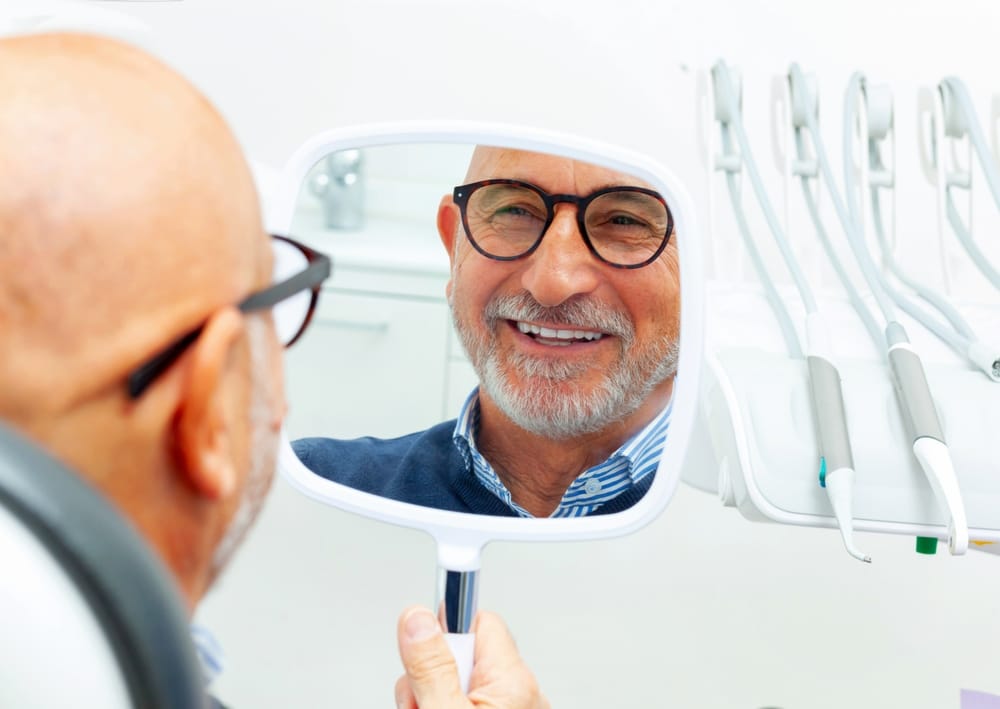
Oral Hygiene: The Foundation Of Implant Survival
Daily plaque removal around implant posts determines long-term success more than any other single factor. A 20-year meta-analysis published in Clinical Oral Investigations found that roughly 4 out of 5 implants remain functional after two decades, with 10-year systematic reviews reporting success rates as high as 96.4%. These outcomes depend heavily on modifiable habits you can start improving today.
How bacteria destroy implants from the outside in
Poor oral hygiene leads directly to peri-implant disease. This condition mimics periodontal disease around natural teeth but progresses faster around implant posts. A systematic review in the Journal of Dentistry found a 10-year implant survival rate of 96.4%, with older age identified as a significant predictor of higher failure risk.
The right tools make all the difference.
The right cleaning tools protect implant posts in ways a standard toothbrush cannot. Start with these daily essentials:
- Water flosser: Flushes bacteria and debris from around implant posts and under crowns
- Interdental brushes: Clean between implants and adjacent teeth where brushes can’t reach
- Electric toothbrush with soft bristles: Removes plaque more consistently without damaging the tissue seal
- Antimicrobial mouth rinse: Reaches areas that brushing and flossing miss to reduce inflammation
Watch for early warning signs between visits. Bleeding during cleaning, color changes around the implant, and unusual sensitivity all signal developing problems. Catching these signs early gives you the best chance of simple treatment rather than serious intervention.

Bone Quality And Surgical Precision Matter
The density of bone at the implant site creates the foundation for decades of stability. Surgical technique precision through 3D CBCT scanning, implant design, biocompatible materials, and prosthetic crown quality all influence long-term stability. A retrospective study in PMC found that prior periodontal disease, mechanical overloading, and poor glucose control each independently increase the risk of failure.
Why 3D imaging changes the outcome
3D CBCT scanning reveals bone density, nerve locations, and sinus proximity before surgery begins. Traditional X-rays simply cannot provide this level of detail. Computer-guided surgery uses physical guides to control the exact angle, depth, and position of each implant post. This precision makes nerve damage, sinus complications, and poor implant angulation far less likely. Implants placed at the wrong angle experience uneven chewing forces. These lateral stresses loosen implants over time or cause bone loss around the post. Proper angulation directs pressure straight down through the implant into the surrounding bone, which is exactly where it belongs.
What happens if a bone is missing
Some patients need bone grafting before implant placement. Ridge augmentation and sinus lifts rebuild bone volume when natural bone proves insufficient. These procedures add time and cost but significantly improve success rates in challenging cases. Options your dental team may discuss include:
- Sinus lifts: Create space in the upper jaw for longer implant posts
- Ridge augmentation: Rebuilds lost bone width or height at the implant site
- Bone grafting: Uses donor material to stimulate new bone growth
The healing period after grafting allows osseointegration to develop fully. Most implants require three to six months before permanent crowns can be placed. Loading implants too early, before full bone integration, can prevent long-term stability.
Crown quality and healing time
Crown material affects how forces transfer through the entire implant system. Zirconia crowns resist fractures that could damage the implant post below and distribute chewing forces more evenly than older materials. Bone density also varies by jaw location. The lower front jaw typically offers the densest bone, while the upper back jaw presents the greatest challenges. Surgical planning accounts for these differences before any procedure begins.
Professional Care Protocols Extend Implant Life
Consistent professional maintenance separates implants that last for decades from those that require early replacement. Dental implants are a long-term solution, but they are not maintenance-free. A review in PMC found that consistent professional checkups, antimicrobial rinses, implant-specific cleaning tools, and periapical X-rays at regular intervals protect implants that might otherwise fail early.
What happens at an implant cleaning visit
Implant cleanings differ from routine dental cleanings in several important ways:
- Plastic or carbon fiber instruments replace metal scalers to avoid scratching titanium surfaces
- Specialized ultrasonic tips clean implant posts without surface damage
- Periapical X-rays measure bone levels around posts to catch gradual bone loss early
- Antimicrobial treatments reduce inflammation using chlorhexidine rinses or similar agents
Dental hygienists who work with implant patients use these protocols specifically to preserve the smooth surface that resists bacterial adhesion. Scratches on titanium create grooves where bacteria hide, making future cleaning harder. Early detection of peri-implant disease at these visits allows successful treatment before bone loss progresses.
How often should you go?
Most patients need professional cleanings and checkups every six months. Patients with diabetes or periodontal disease may need more frequent visits. The maintenance schedule should always reflect each patient’s specific risk profile. High-risk patients who wait too long between visits often face problems that could have been caught and treated simply. Prompt treatment at the first sign of trouble prevents progression to complications that might require complete implant removal.
Tools that help between visits
Water flossers and interdental brushes remain the most effective home tools for maintaining implant posts between professional visits. Using them consistently prevents the bacterial buildup that professional cleanings cannot fully reverse once it progresses.

Patient Lifestyle Choices Determine Outcomes
The choices patients make daily have a measurable impact on implant survival. Smoking, teeth grinding, blood sugar control, and diet all influence how long implants remain stable and functional. Two lifestyle factors cause more implant failures than all others combined.
Smoking and your implants
Smoking creates the most significant patient-controlled risk for implant failure. Tobacco chemicals reduce blood flow to healing tissues and suppress immune function, making bacterial infections around implant posts harder to fight. Quitting smoking before implant placement dramatically improves survival rates. Patients who stop tobacco use show much better outcomes than those who continue through treatment. The healing process requires adequate blood supply and immune function, which smoking directly damages.
Teeth grinding and how to protect your investment
Bruxism creates forces that can exceed normal chewing loads several times over. These forces cause screw loosening, crown fractures, and bone loss around the implant post. Custom-fitted night guards distribute grinding forces across the full dental arch. Store-bought options offer far less protection because they don’t account for each patient’s specific bite pattern and implant locations.
Diabetes, diet, and daily habits
Poorly controlled blood sugar impairs wound healing and increases infection risk around implant sites. Well-managed diabetes, however, shows implant success rates similar to those of patients without the condition. Daily habits that protect the implant investment include:
- Avoiding ice, hard candies, and pen chewing that create excessive force on crowns
- Limiting acidic foods and beverages that may degrade certain crown materials over time
- Managing stress, which worsens bruxism and reduces immune function
Systemic Health Factors And Implant Success
Medical conditions beyond diabetes and smoking also affect how long implants last. Sharing your full medical history with your dental team allows them to adjust protocols and reduce risk before treatment begins.
Medical conditions that affect healing
Several systemic conditions create specific challenges for implant integration:
- Autoimmune conditions like rheumatoid arthritis can interfere with bone formation and slow healing
- Bisphosphonate medications for osteoporosis disrupt normal bone remodeling around implant posts
- Radiation therapy to the head and neck damages blood vessels and significantly reduces healing capacity in the jaw
Patients with any of these histories require modified treatment protocols. The goal is the same, but the path requires more careful planning.
Nutrition, hormones, and genetics
Vitamin D and calcium deficiencies impair bone formation around implant posts. Protein intake also supports the tissue repair processes that occur during osseointegration. Postmenopausal hormonal changes can reduce bone density and slow healing. Regular monitoring helps detect any bone-level changes around implants before they become serious. A family history of gum disease or tooth loss may indicate a higher individual risk of implant complications. This information helps your dental team set the right maintenance frequency and monitoring schedule from the start.
How Long Do Dental Implants Last? The Truth Is in Your Hands
How long do dental implants last? It comes down to the care and clinical precision applied at every stage, from surgical planning through daily home maintenance. The seven factors covered here range from bone quality and surgical technology to oral hygiene habits and systemic health. A 20-year meta-analysis published in Clinical Oral Investigations found that roughly 4 out of 5 implants remain functional when proper protocols are followed consistently.
If you’re considering implant treatment or want to ensure your existing implants receive the care they need, call us, and we can walk you through a plan tailored to your specific situation.