

The cost of full mouth dental implants depends on far more than the implants themselves. Losing all your teeth changes how you eat, how you feel about yourself, and how you engage socially.
Research confirms that complete tooth loss carries measurable consequences for mental health. Edentulism has been linked to reduced nutritional intake and psychological decline, including low self-esteem and a decline in social activities due to embarrassment.
The scope of this issue continues to grow. An analysis of global disease burden data found a double increase in the number of people with edentulism during the last 30 years, with global prevalence projected to keep rising through 2040.
Key Takeaways:
- Bone grafting requirements and jawbone density directly determine surgical complexity and treatment costs
- Different implant systems and materials create distinct price points for your full arch restoration
- Advanced surgical technology and imaging add precision while affecting your total investment
- Insurance benefits and payment options help manage the financial aspects of implant treatment
- Your location and surgeon’s experience level influence the cost structure of your procedure
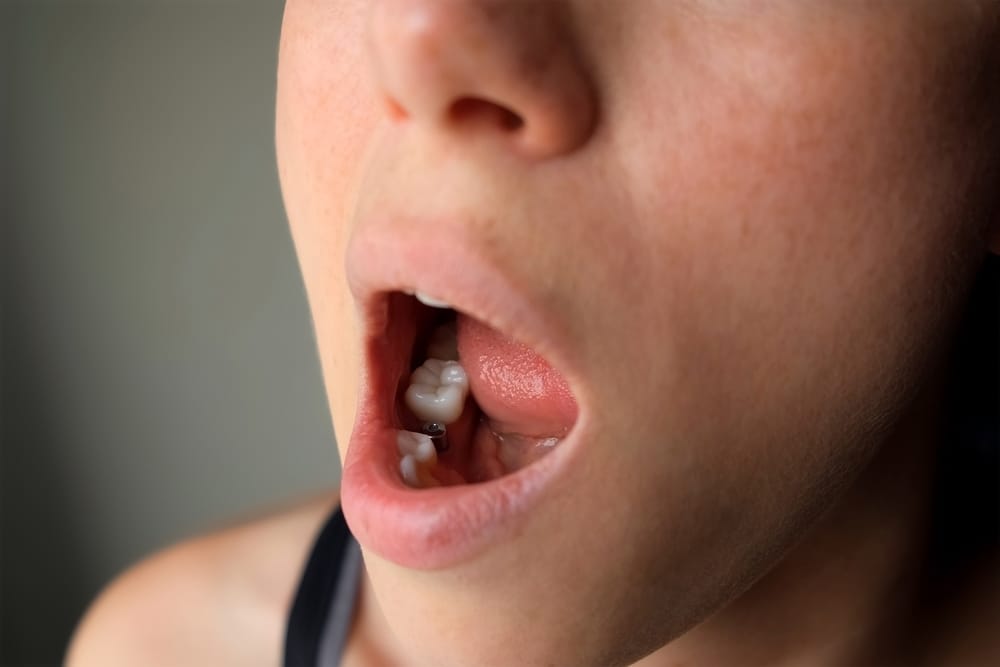
Is Your Jawbone Strong Enough? Why Bone Grafting Drives Up Implant Costs
Bone health is the first factor that shapes your treatment cost, since the amount of jawbone you have left after tooth loss determines whether implants can be placed right away or if grafting is needed first.
How Bone Loss Happens After Tooth Loss
Your jawbone starts shrinking the moment a tooth is removed. This process, called resorption, reduces the bone volume available to anchor an implant.
The longer the teeth have been missing, the more bone you lose. Your dental surgeon uses CBCT scans to measure bone levels and determine if grafting is needed before implant placement can begin.
Sinus Lifts and Bone Graft Types: What They Add to Your Bill
Sinus lifts are common when upper back teeth have been missing for a long time. The maxillary sinus expands into the space, leaving less bone height for implants. A sinus lift rebuilds that foundation by raising the sinus membrane and placing graft material beneath it.
The type of bone graft material also affects your bill:
- Autograft: bone from your own body
- Allograft: processed donor bone
- Xenograft: animal-sourced bone
- Synthetic: lab-made materials with predictable healing
The speed of bone loss after extraction is significant. Research shows that almost 50% of alveolar bone width is lost within 12 months, with 30% occurring in the first 12 weeks.
Healing Time and How It Affects Your Total Cost
Bone grafts typically require three to six months of healing before implant placement surgery can proceed. That extended timeline means more monitoring visits and added expense.
For patients with severe jawbone loss, zygomatic implants anchor into the cheekbone instead. Once placed, titanium implants preserve your jawbone through osseointegration, preventing the continued bone loss that traditional dentures cannot stop.
[IMAGE PLACEMENT]
All-on-4 vs. All-on-6 vs. Zirconia: Which Implant System Is Worth the Price?
The second major cost factor is which implant system and material you choose, since the number of posts and the material they’re made from each carry a different price tag and performance trade-off.
Comparing Implant Systems and What You Get for the Money
All-on-4 implants use four strategically placed implant posts to support a full dental arch. All-on-6 dental implants add two more for extra stability.
Implant-supported dentures deliver measurably better results than conventional alternatives. A systematic review comparing the two approaches found that implant-supported dentures improved patients’ overall quality of life and satisfaction, with the greatest gains reported in retention, stability, comfort, and chewing ability.
The key trade-off: fewer implants reduce upfront costs, while more implants may offer greater long-term stability and chewing power.
Titanium, Zirconia, or Mini Implants? Material Matters
Titanium implant posts remain the gold standard. They fuse with your jawbone through osseointegration, creating a permanent foundation with a proven track record.
Zirconia implants are a metal-free alternative with a natural appearance and excellent biocompatibility. Mini dental implants are used in specific cases where space or bone volume limits traditional implant placement. Implant brands and prosthetic components also affect cost and longevity.
Why Your Final Teeth Are a Big Part of the Bill
The restorative phase involves creating custom-made teeth that match your facial features and bite alignment. A zirconia denture provides strength and aesthetics for custom full arch prosthetics.
This lab work requires skilled craftsmanship. A retrospective study tracking patients over multiple years confirmed that four- or six-implant-supported fixed prostheses showed the same high satisfaction at 3-5 years and 5-7 years follow-ups.
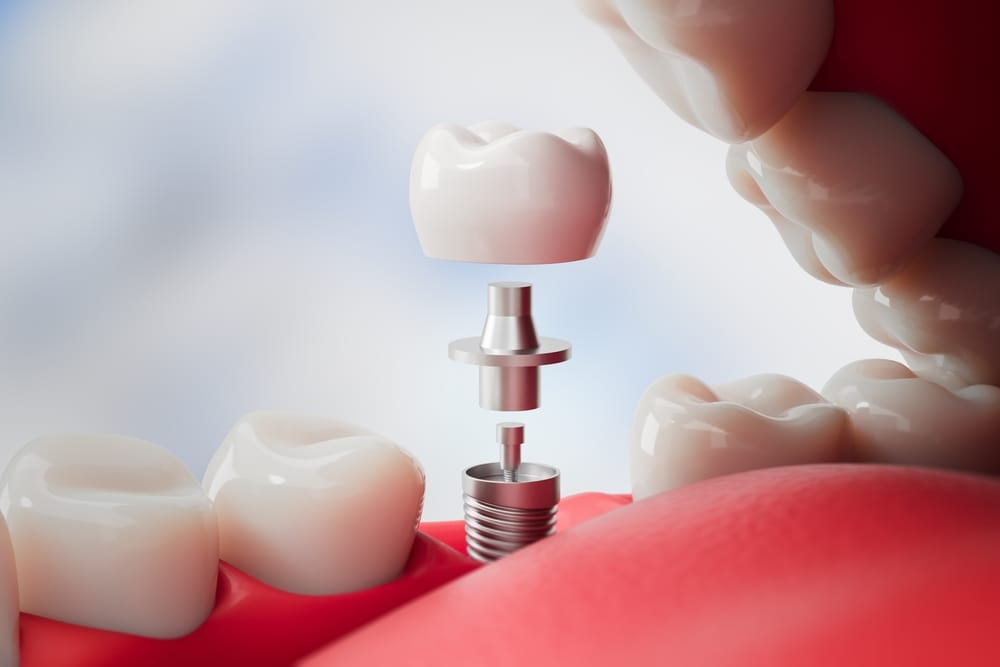
How Fancy Technology Makes Your Implants Better and More Expensive
The third cost factor comes down to the equipment your surgeon uses to plan and perform your procedure, which can mean a higher price tag for greater precision and a smoother surgical experience.
3D Imaging and Guided Surgery
CBCT technology creates detailed three-dimensional images of your jaw, allowing your dental surgeon to plan precise implant placement before the surgical phase begins. This imaging reduces guesswork and the risk of complications.
Surgical guides translate that digital plan into precise execution during the procedure. Studies evaluating computer-guided surgery with cone beam computed tomography confirm that guide-based placement improves accuracy over freehand methods. These tools represent significant equipment investments that are reflected in your treatment fees, but the trade-off is greater accuracy and more predictable results.
Sedation Options and In-House Digital Workflows
Sedation dentistry adds cost because it requires monitoring equipment and trained staff. Common levels include:
- Nitrous oxide for mild relaxation
- Oral sedation for moderate comfort
- IV sedation for deep relaxation
Practices with in-house workflows combining digital scanning, treatment planning, and prosthetic fabrication can streamline your timeline. Facial scan technology helps design teeth that complement your natural features. These technology investments improve your experience but are reflected in fee structures.

Will Your Insurance Actually Cover Dental Implants? (Probably Not Fully)
The fourth piece of the cost picture is what your insurance will actually pay for, since coverage gaps are common and can swing your out-of-pocket total significantly.
What Most Dental Insurance Plans Actually Cover
Most dental insurance plans classify implants as elective or cosmetic, resulting in limited insurance coverage or complete exclusions.
Some plans cover prosthetic components, such as crowns or dentures, but exclude surgical placement. Annual maximums typically cap at $1,000 to $2,000, barely denting the cost of full mouth dental implants. Request a pre-treatment estimate to clarify exactly which portions qualify for coverage.
Payment Plans, Financing, and Tax-Advantaged Accounts
Many dental practices offer in-house financing with flexible payment plans. Third-party healthcare lenders may offer promotional zero-interest periods for qualified applicants.
Tax-advantaged accounts can also help:
- Health Savings Accounts (HSAs) use pre-tax dollars for dental expenses
- Flexible Spending Accounts (FSA) work similarly with use-it-or-lose-it rules
Consider the long-term math: traditional dentures need replacement every five to seven years, plus ongoing costs for adjustments and denture adhesive. Dental implants are a permanent solution that eliminates those recurring expenses. A comprehensive review noted that edentulism can lead directly to impairment, functional limitation, physical, psychological, and social disability, reinforcing why restoration matters beyond just appearance.
[IMAGE PLACEMENT]
Does It Matter Where You Get Your Implants? (More Than You Think)
Where you have the procedure done, and who performs it, make up the fifth cost factor, often shifting the price as much as any clinical consideration on this list.
How Geography Shifts the Price Tag
Urban dental practices incur higher overhead, including rent, utilities, and staffing, which is reflected in treatment fees. Rural locations may be priced lower but could offer limited access to specialized technology.
Market competition matters too. Areas with multiple qualified implant providers tend to offer more competitive pricing. Regions with fewer dental implant specialists often charge more.
Specialist Experience and Lab Quality
Board-certified oral surgeons and periodontists with advanced implant training charge premium fees. Their experience handling complex cases involving significant bone loss, systemic diseases, or dental trauma justifies the cost.
The quality of lab work plays a major role. High-end laboratories specializing in prosthetic reconstructions charge more but deliver superior aesthetics and fit. Practitioners who invest in continuing education and the latest implant techniques tend to achieve better outcomes, and those investments are reflected in fee structures.
[IMAGE PLACEMENT]
The Hidden Extras That Quietly Inflate Your Implant Bill
The sixth and final factor covers the smaller procedures and maintenance costs that aren’t part of the base implant price but quietly add to your final bill.
Pre-Implant Procedures You Might Not Expect
Several add-on procedures can increase your total before a single implant is placed:
- Tooth extractions (simple vs. surgical, with different costs and healing times)
- Gum disease treatment, including deep cleaning to eliminate bacteria build-up
- TMJ pain or bite alignment correction
- Specialized care for dental trauma
Health conditions like diabetes, autoimmune disorders, or osteoporosis may require special protocols and longer healing, further increasing cost.
Temporary Teeth, Follow-Up Visits, and Long-Term Maintenance
Some patients receive immediate temporary teeth on the day of surgery. Others wait months. The type of temporary restoration affects both comfort and cost during healing.
The restorative phase includes multiple appointments for impressions, fittings, and adjustments. Each visit involves lab work fees and professional time.
After treatment, regular dental cleanings and checkups protect your investment in the long term. Implants help preserve the bone that would otherwise continue shrinking. A systematic review confirmed that rapid bone loss in the first 6 months after extraction and over the following 2 years is the pattern without intervention, reinforcing the need to avoid delaying implant placement.
What the Cost of Full Mouth Dental Implants Really Comes Down To
The cost of full mouth dental implants reflects a combination of surgical skill, premium materials, and advanced technology working together to restore your oral health. Every factor covered here, from bone grafting needs to your choice of implant system, plays a direct role in your final price.
Knowing these details puts you in the driver’s seat. You can ask better questions, compare treatment plans with confidence, and avoid surprises on billing day. The ability to eat freely, speak clearly, and smile without hesitation goes well beyond any dollar amount.
If you are ready to explore your options, Dental Design Studios can help you build a personalized treatment plan. Schedule your implant consultation and take the first step toward a stronger, healthier smile.
FAQs
How much are dental implants?
Dental implant costs vary based on the number of implants, material type, and case complexity. A single implant costs less than a full arch restoration, which includes multiple implant posts, custom prosthetics, and potentially bone grafts. The best way to get an accurate number is to schedule an implant consultation with a qualified specialist.
How much does a full set of teeth implants cost?
A full set includes surgical placement of multiple implants, custom full arch prosthetics, lab work, and follow-up care. Factors like bone density, implant system choice, and whether bone grafting is needed all shift the final number. Many practices offer payment plans and financing options to make the investment manageable.
Are screwless dental implants cheaper?
Screwless or cementable restorations may have slightly different pricing than screw-retained options, but cost depends more on the implant system, materials, and case complexity than the attachment method. Both approaches require precise implant positioning and skilled prosthetic work. Your dental surgeon can help you weigh the differences during consultation.
How long does the full mouth implant process take from start to finish?
The complete dental implant procedure typically takes four to eight months. If bone grafting is needed, healing adds three to six months before implant placement surgery begins. Your individual healing response and overall oral health also influence the timeline.
Can I eat normally during the healing period?
You will follow a soft food diet initially, gradually returning to normal eating as healing progresses and temporary teeth are adjusted. Most patients eat most foods within a few months of completion, with full chewing power restored once final prosthetics are placed.
Sources:
- https://pmc.ncbi.nlm.nih.gov/articles/PMC5120622/
- https://pmc.ncbi.nlm.nih.gov/articles/PMC3664508/
- https://pmc.ncbi.nlm.nih.gov/articles/PMC8762866/
- https://pubmed.ncbi.nlm.nih.gov/34647147/
- https://pmc.ncbi.nlm.nih.gov/articles/PMC8874059/
- https://pmc.ncbi.nlm.nih.gov/articles/PMC11375842/
- https://pmc.ncbi.nlm.nih.gov/articles/PMC11976601/
- https://pmc.ncbi.nlm.nih.gov/articles/PMC5112530/