
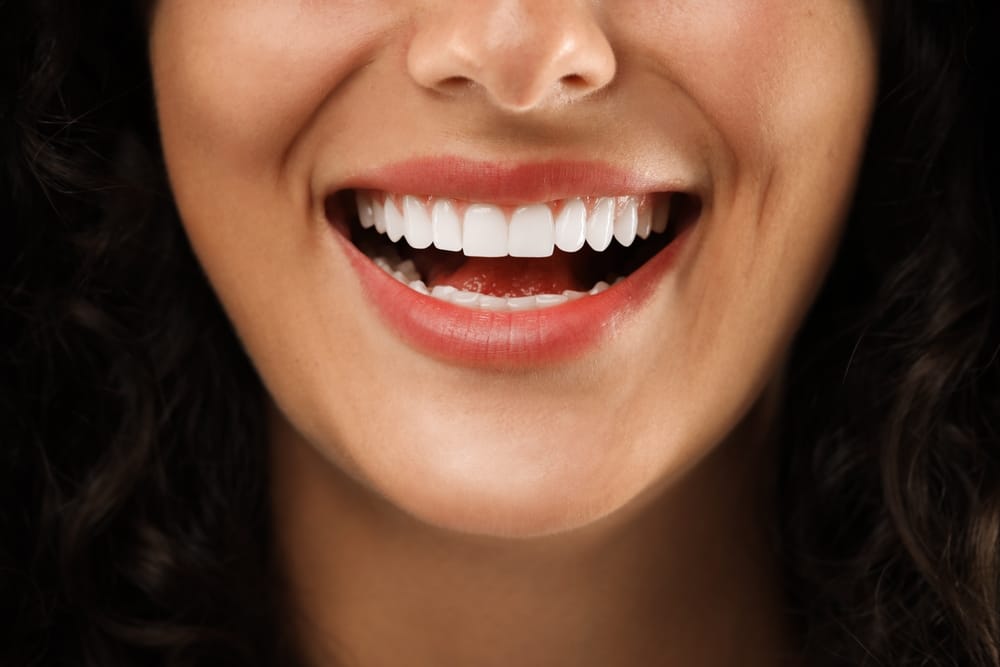
A crown for tooth damage is a tooth-shaped cap that fits over a weakened, cracked, or decayed tooth to restore its strength and shape. It absorbs bite forces, prevents further breakdown, and restores normal chewing ability. The best part? Modern dental materials have made metal completely optional.
Today’s all-ceramic crowns use zirconia and lithium disilicate to match the durability of gold crowns and PFM crowns while looking just like your natural tooth. There are no dark gum line shadows. No temperature sensitivity from metal alloys. Just a strong, natural-looking dental restoration that protects what’s left of your tooth structure.
Key Takeaways:
- Zirconium dioxide crowns reach five-year survival rates above 96% without dark metal margins.
- Digital scanning and chairside milling complete treatment in a single appointment.
- Root canal therapy typically requires a protective restoration to prevent fractures.
- All-ceramic options restore damaged teeth with natural translucency and biocompatibility.
- Treatment planning considers tooth location, bite forces, and material properties.
Are Metal Crowns Already Obsolete? What Ceramic Materials Actually Deliver
Ceramic dental materials now match or beat metal in clinical performance. A systematic review and meta-analysis of over 11,500 single crowns found that monolithic lithium disilicate achieved a 98.5% five-year survival rate. Monolithic zirconia crowns accounted for 96.8%. For comparison, porcelain-fused-to-metal crowns landed at 97.1%.
The key advantage is a monolithic design. Instead of layering porcelain over a framework, these restorations are milled from a single solid block. That uniform structure distributes chewing forces evenly and avoids the ceramic fractures and chipping that layered constructions experience over time.
Each material excels in different areas of your mouth:
- Zirconia crowns: Best for back teeth, where bite efficiency matters most. The crystalline structure handles heavy chewing loads and resists wear over thousands of loading cycles.
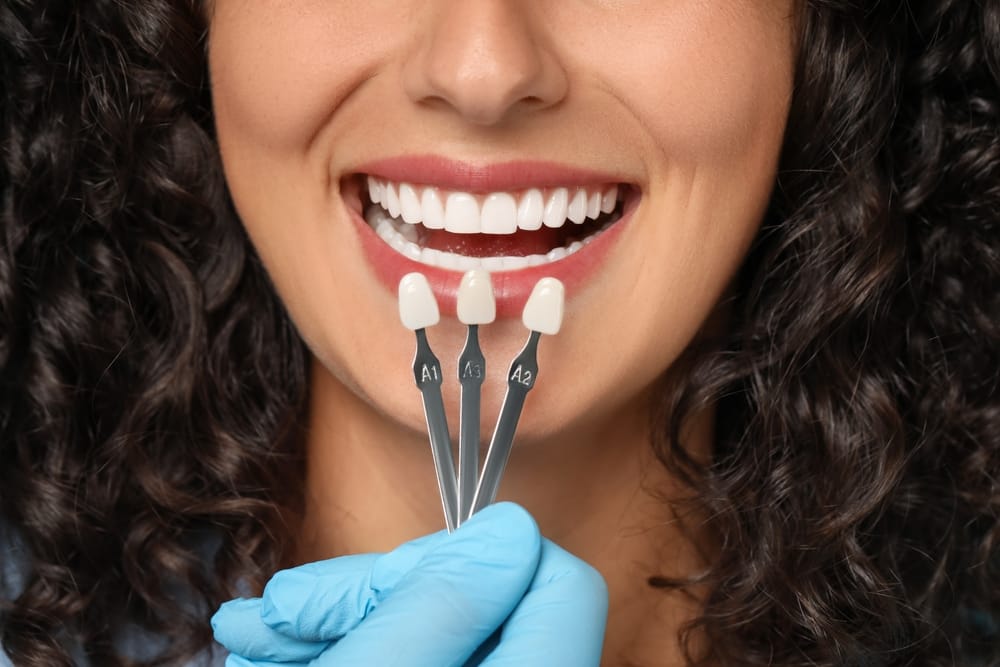
- Lithium disilicate: Ideal for front teeth and smile makeover applications. Light passes through the material naturally, creating depth that mimics healthy tooth enamel without the flat, opaque look of full metal or older porcelain crowns.
Removing metal from the equation solves several common complaints. Dark margins that form along the gum line with traditional restorations become impossible with all-ceramic crowns. Temperature sensitivity disappears because ceramic insulates like natural tooth structure, rather than conducting heat and cold the way metal alloys do.
Patients with metal allergies also benefit from the switch. Metal alloys in traditional restorations can trigger immune responses in sensitive individuals. Zirconia and lithium disilicate are biologically inert, making them safe for anyone concerned about biocompatibility. That peace of mind matters just as much as the clinical performance.
Your dental team selects the right ceramic based on the tooth’s location, opposing-tooth contact, and your specific aesthetic goals.
One Appointment and Done? How Digital Crowns Skip the Waiting Game
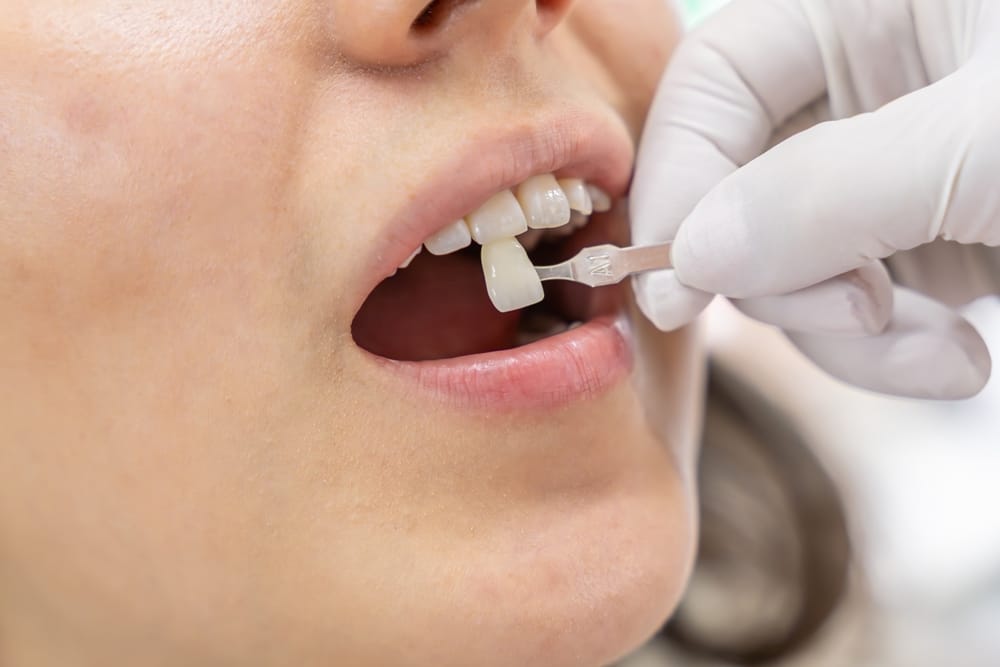
Same-day crowns have changed what used to be a multi-visit process into a single appointment. CAD-CAM equipment and CEREC technology handle everything from digital scanning to chairside fabrication, removing the need for temporary crowns and return visits.
Here’s how the process works:
- Digital scanning captures detailed 3D images of your prepared tooth using structured light. No messy putty trays or gagging. The digital impressions show up instantly on screen for review.
- CAD software designs your restoration using bite relationship data and adjacent tooth contacts. The 3-D imagery ensures proper fit before milling begins.
- Chairside milling shapes a solid ceramic block into your custom restoration in about 15 to 20 minutes. The milling process transforms raw material into precise tooth anatomy.
- Final placement includes polishing, minor adjustments, and cementation with dental cement. You leave the dental office with a permanent restoration ready for normal use.
This streamlined approach works especially well for patients with tight schedules or those who dread wearing a temporary restoration for weeks at a time. Temporary crowns can loosen, break, or cause sensitivity between appointments. Skipping that phase means continuous protection for the prepared tooth from start to finish.
The materials are identical to those used by a dental laboratory for traditional fabrication. Computer-controlled milling eliminates the human variables that can affect a lab technician’s work, producing consistent wall thickness and precise margins every time.
Digital impressions also produce a better fit than conventional molds. A meta-analysis of single-unit ceramic crown accuracy found that crowns fabricated from digital scans exhibited smaller marginal gaps than those fabricated from traditional putty impressions. The digital format also eliminates distortion that can happen during processing and shipping.
Built-in quality control monitors the entire fabrication and verifies crown dimensions before placement. That digital documentation also creates a permanent record if you ever need a replacement.
Had a Root Canal? Here’s Why Skipping the Crown Is a Risky Bet
Root canal treatment saves the tooth but fundamentally changes its structure. The procedure removes infected pulp tissue and internal moisture, leaving the remaining enamel and dentin more brittle than before.
The access cavity created during treatment removes healthy structure from the top of the tooth. Without a protective covering, root canal-treated teeth face a high risk of fracture under normal chewing forces. A successful root canal can still end in tooth loss if the remaining structure cracks.
Several factors determine what happens next:
- Back teeth under heavy chewing loads almost always need full coverage for protection
- Front teeth with minimal structural loss may be managed with conservative restorations, though full coverage often yields better long-term results.
- Extensive damage may require a post-and-core buildup to rebuild a sufficient foundation before placement.
- Timing varies by case. Some situations allow immediate protection, while others benefit from a brief observation period followed by temporary restoration.
A systematic review of CAD/CAM clinical outcomes confirms that digitally fabricated all-ceramic restorations perform comparably to conventional metal-ceramic alternatives across biological, technical, and aesthetic measures. That evidence supports the use of ceramic restorations for both the front and back teeth after endodontic therapy.
An umbrella review of systematic reviews on endodontically treated teeth found that these teeth have a predicted survival rate of about 87% over 8 to 10 years when properly restored. Full coverage restorations showed strong long-term outcomes, reinforcing why most dental teams recommend crown placement after root canal therapy.
Protecting a root canal-treated tooth often proves more cost-effective than the alternative. Extraction followed by dental implants or a dental bridge requires more extensive treatment and is more costly. Preserving the natural tooth through proper oral hygiene and regular dental visits helps it function for decades.
Metal-Free and Worry-Free? What Modern Crowns Actually Feel Like
Living with an all-ceramic restoration feels different from the old metal standard in ways that matter day-to-day. Here’s what patients notice:
- No dark margins developing at the gum line over time, even with gum recession or thin tissue
- No temperature sensitivity. Ceramic insulates like natural tooth structure. Metal conducts heat and cold rapidly, causing discomfort when handling food and beverages.
- Better gum health. Ceramic surfaces resist bacterial adhesion better than metal alternatives, supporting healthier tissue contact over years of use.
- Safe for metal allergies. The biocompatible properties of ceramic materials don’t trigger immune responses.
- Invisible restorations. Light transmission and surface texturing make ceramic virtually indistinguishable from surrounding natural teeth in cosmetic dentistry applications.
A clinical comparison of zirconia and PFM crowns found that zirconia restorations maintained significantly lower plaque and gingival inflammation scores at six months. Those findings support what the bullet points above describe.
Digital design through CAD-CAM equipment enables precise customization of contours and contact points. The software analyzes stress distribution across your bite, helping your dental team design a restoration that functions in harmony with surrounding teeth. This precision reduces the need for repeated adjustments after placement and improves long-term stability. Patients often notice the fit feels right from day one.
Fabrication works both ways. Chairside milling provides same-day completion, while a dental lab offers specialized customization for complex cases requiring precise shade matching. Both methods use the same high-quality dental materials.
Clinical studies confirm that properly fabricated ceramic restorations provide decades of reliable service. Maintenance mirrors what you already do for your natural teeth. Consistent brushing with fluoride toothpaste, flossing, and regular dental exams keep everything in good shape. The non-porous ceramic surface actually resists staining and plaque buildup better than natural tooth enamel.
Crown for Tooth Restoration Delivers Strength and Beauty
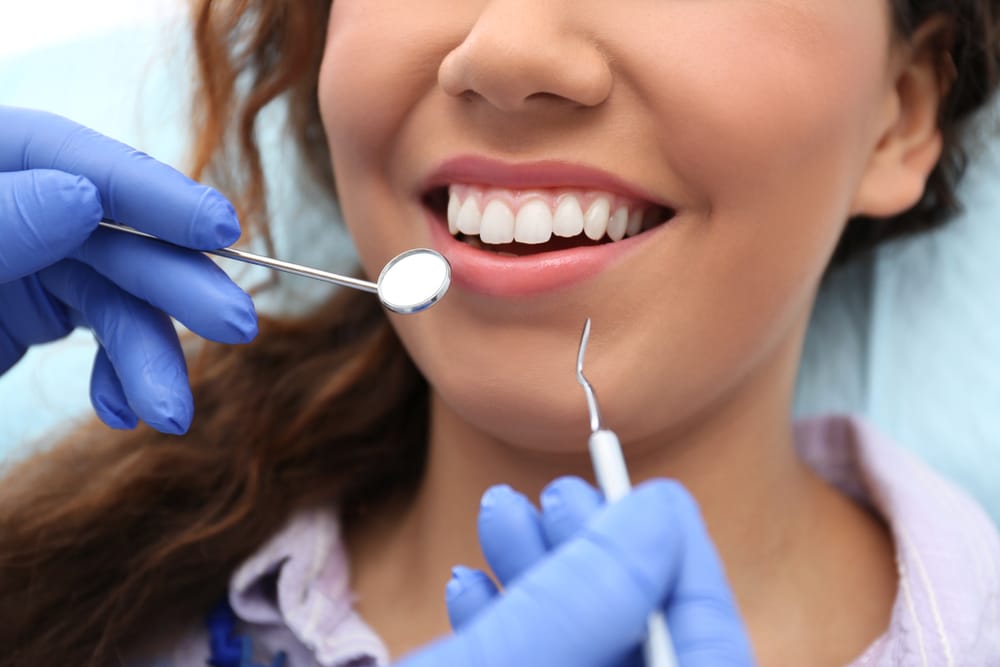
A crown for tooth damage gives you lasting protection without the trade-offs that metal once required. Zirconia and lithium disilicate deliver clinical survival rates comparable to traditional options while providing the translucency and biocompatibility that metal restorations simply cannot offer. Digital fabrication creates precise restorations in a single visit, and the result looks and feels like a natural tooth.
If you’re dealing with cracked, worn, or damaged teeth and want to explore metal-free crown options, the dental care team at Dental Design Studios in Nashville can help. Schedule a consultation to find out which ceramic material and fabrication method fits your specific situation.
FAQs
How much is a crown for tooth?
A dental crown typically costs between $800 and $3,000 per tooth, depending on the ceramic material and your location. Dental insurance often covers a portion of the cost of restorative treatments. Your dental care team can provide a personalized estimate and walk you through payment options during your visit.
What is a crown for tooth?
A dental crown is a tooth-shaped cap placed over a damaged or weakened tooth. It covers everything above the gum line, restoring shape, strength, and chewing ability. All-ceramic options now dominate because they look natural and work well with your body.
How much tooth is needed for a crown?
Your tooth needs enough structure above the gum line to support the restoration. Your dentist performs some enamel removal to create space. If too much of the tooth is missing, a post-and-core buildup can rebuild the foundation first. Each case gets evaluated during the preparation appointment.
Does preparing a tooth for a crown hurt?
Most patients feel little to no pain. Your dentist numbs the area with local anesthesia before starting. You may feel pressure, but not sharp discomfort. Mild sensitivity afterward usually fades within days. Ask your dental office about sedation dentistry if anxiety is a concern.
How long does a ceramic crown last compared to a metal one?
Ceramic restorations now perform on par with traditional metal options. Properly maintained all-ceramic crowns can last 15 to 20 years or longer. Good oral hygiene, regular dental visits, and avoiding teeth grinding help extend the lifespan. A nightguard can help if bite forces are a concern.