

A smile makeover is a customized treatment plan that combines multiple cosmetic dentistry procedures to fix several concerns at once. This coordinated approach delivers better results than addressing each issue separately, and understanding your options helps you plan the right path forward.
Key Takeaways
- Professional teeth whitening, porcelain veneers, dental bonding, and gum contouring work together to address discoloration, chips, gaps, and uneven gum lines
- 3D scans and digital imaging create precise treatment plans while allowing patients to preview their results before starting treatment
- Porcelain veneers show 95% survival rates over 10 years when made from feldspathic, leucite-reinforced, or lithium disilicate materials
- Patients report improved self-confidence and quality of life after cosmetic dental procedures that address multiple aesthetic concerns
- Treatment timelines range from weeks to months depending on which procedures your plan includes
Cosmetic Dentistry Procedures That Transform Your Smile
Modern cosmetic dentistry combines several treatments to fix multiple problems in one coordinated plan. This approach creates harmony between your teeth, gums, and facial features. Your cosmetic dentist designs each procedure to work with the others for maximum impact.
Teeth Whitening: Where Most Smile Changes Start
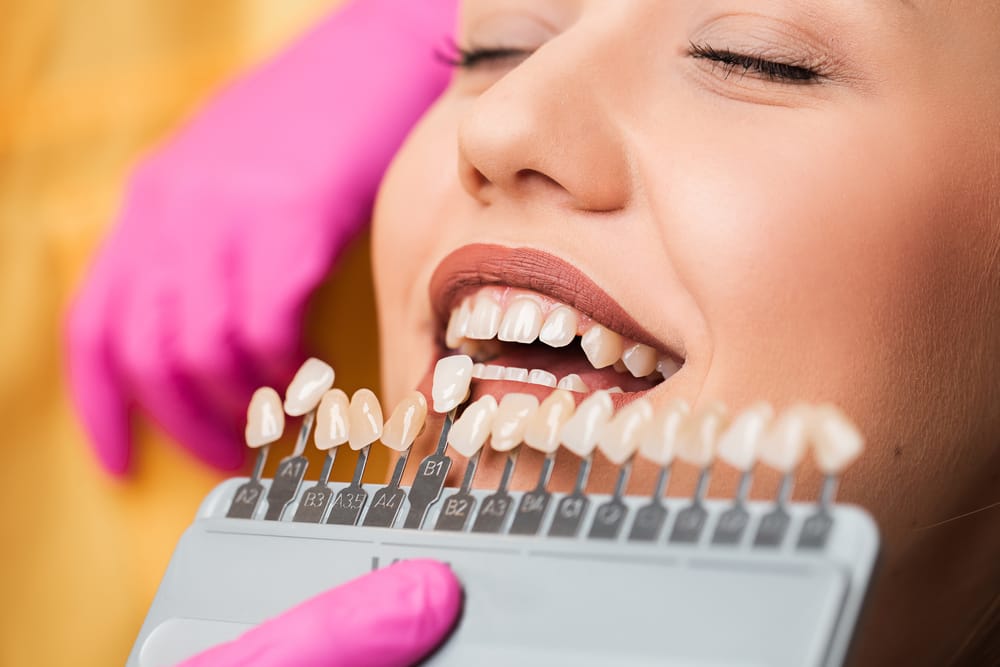
Professional teeth whitening removes years of stains from coffee, wine, and aging. The treatment uses stronger bleaching agents than store-bought products, and your dentist controls the strength based on your sensitivity level and desired results. Most patients see their teeth become 3-8 shades whiter within one session, with results lasting 1-3 years with proper maintenance.
Some stains cannot be removed with whitening alone. Tetracycline stains from antibiotics and deep discoloration from trauma need other solutions. Your dentist will identify these cases during your consultation and recommend alternatives like veneers or bonding.
Porcelain Veneers: Fixing Multiple Problems at Once
Porcelain veneers fix multiple problems at once. These thin shells cover the front of your teeth to hide chips, cracks, and severe stains that resist whitening. Veneers also close gaps and reshape teeth that appear too small or large, with each one custom-made in a dental lab to fit your tooth perfectly.
The veneer process typically takes two appointments. Your dentist prepares the teeth and takes impressions at the first visit, with temporary veneers protecting your teeth while the permanent ones are crafted. The second appointment involves bonding the finished veneers in place with special cement.
Dental Bonding: Quick Fixes That Actually Last
Dental bonding uses tooth-colored resin to repair minor flaws quickly and affordably. The composite material bonds directly to your tooth, fixing small chips, filling gaps, and reshaping irregular teeth in 30-60 minutes per tooth. The material lasts 3-7 years before needing touch-ups, and the procedure is reversible.
Gum Contouring: Rebalancing Your Smile’s Foundation
Gum contouring creates better balance between your teeth and gums for a more proportional smile. Patients with excess gum tissue often have teeth that appear short or an uneven gum line. Laser dentistry removes excess tissue with precision and minimal discomfort, with permanent results and most patients returning to normal activities the next day.
Clear Aligners and Crowns: Straightening and Restoring
Clear aligners straighten crooked teeth without metal braces. Custom plastic trays gradually shift your teeth into position over 6-18 months, depending on your case. Proper alignment prevents uneven wear that can damage other cosmetic work. The aligners are nearly invisible and removable for eating and special occasions.
Dental crowns restore badly damaged teeth while keeping your smile’s natural appearance. Modern crowns use porcelain, ceramic, or zirconia materials that match your natural teeth and withstand normal chewing forces. Dental implant placement completes the picture for missing teeth, with a titanium post fusing to the jawbone over 3-6 months before a custom crown finishes the restoration.
Digital Imaging Technology and Treatment Planning
Digital technology has changed how dentists plan and carry out cosmetic treatment. Detailed scans of your teeth, bite, and facial structure capture precise information that traditional impression methods cannot match, giving your dentist a complete picture before treatment begins.
3D Scanning and Digital Bite Analysis
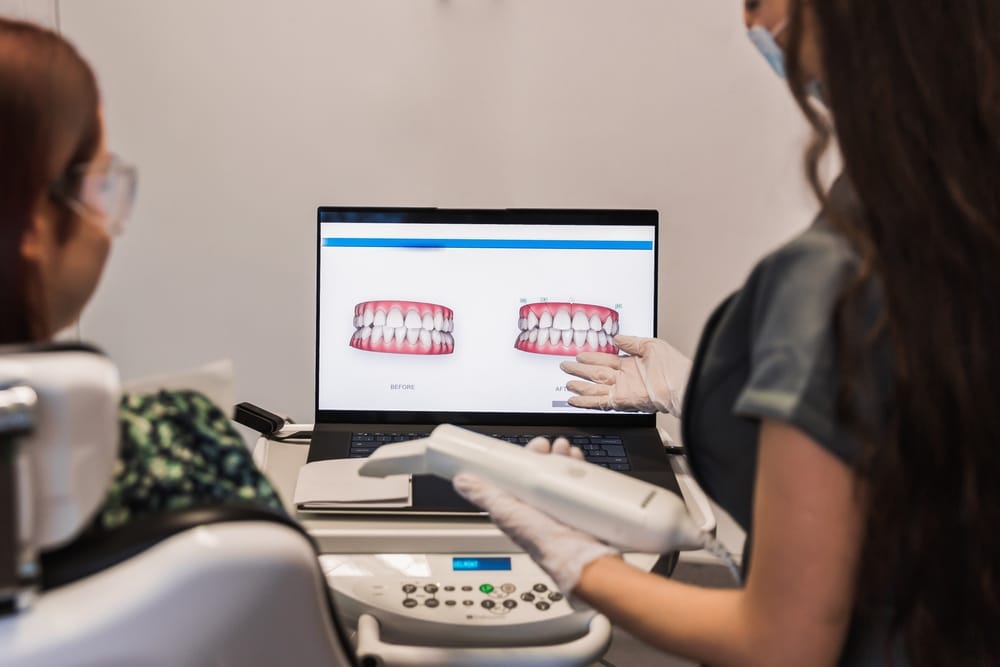
3D intraoral scanners build a full digital model of your mouth in minutes. The scanner captures thousands of measurements per second to create an accurate three-dimensional representation. This shows exactly how your teeth relate to your jaw, gums, and facial features. Your dentist uses this data to plan treatments that will look natural with your face shape.
Digital bite analysis identifies functional problems that could affect your cosmetic results. Poor bite alignment can damage restorations over time or cause them to fail early. The analysis helps your dentist design treatments that hold up and last as long as possible.
Digital Smile Design Software: See Your Results First
Digital smile design software shows you potential results before any treatment begins. You can see how different procedures will change your smile from multiple angles, request adjustments to tooth shape, size, or color, and make informed decisions without guesswork. A randomized controlled trial published in the Journal of Pharmacy and Bioallied Sciences found superior patient satisfaction and improved treatment outcomes when comparing digital smile design to conventional planning methods, with 92% of patients in the digital group achieving excellent restoration fit, occlusion, and aesthetics.
CEREC Same-Day Restorations and Digital Records
CEREC technology creates same-day restorations for certain procedures, cutting out temporary restorations and extra appointments. The system uses your digital scans to design crowns, veneers, inlays, and onlays directly in the office. The ceramic materials used in CEREC restorations are strong and natural-looking, though complex cases may still require lab fabrication for the best outcome.
Digital records also create a permanent archive of your treatment. These files make it easier to match existing restorations if repairs are needed years later. Before-and-after images help with insurance claims and future planning.
Porcelain Veneers and Long-Term Aesthetic Improvements
Porcelain veneers rank among the most reliable long-term options for smile changes. Research published in Journal of Clinical Medicine reports a 10-year estimated cumulative survival rate of PLVs at 95.5%, tracking thousands of veneers over many years and showing these restorations maintain their appearance and function well when properly designed and maintained.
Choosing the Right Porcelain Material
Different porcelain materials offer specific benefits depending on patient needs. Feldspathic porcelain creates the most natural, lifelike appearance because its translucency closely mimics real enamel. This material works best for front teeth where appearance is the top priority.
Leucite-reinforced porcelain offers more strength than feldspathic materials while keeping good aesthetics. Patients who grind their teeth or have heavy bite forces benefit from the added durability. The material holds up well against chipping and cracking.
Lithium disilicate veneers provide the highest strength available. These restorations resist chipping, wear, and cracking better than other options. Their strength allows for thinner veneers that require less tooth preparation. Patients with severe grinding habits or bite problems often need this level of durability for long-term success.
Patient Selection, Color, and Maintenance
Proper patient selection significantly affects how long veneers last. Ideal candidates have healthy teeth and gums with enough enamel to support the restoration. Patients with active gum disease need periodontal treatment first, and heavy grinders may need night guards to protect their investment.
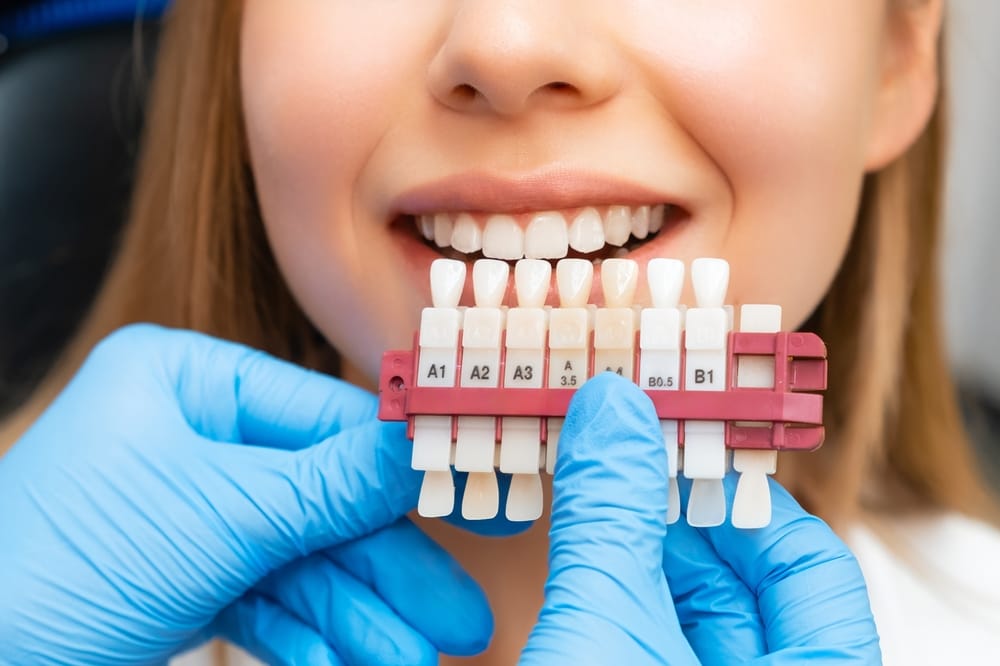
Color selection determines how natural your veneers look. Porcelain matches any natural tooth shade or creates a brighter appearance based on your preferences. Multiple color layers within each veneer mimic the depth found in healthy natural teeth. Unlike natural teeth, porcelain does not stain or shift color over time.
Most patients can expect their veneers to last 10-15 years or longer with proper care. Regular brushing, daily flossing, and professional cleanings every six months keep the restorations and surrounding gums healthy. When veneers eventually reach the end of their lifespan, new ones can be placed using updated materials and techniques.
Achieving Natural-Looking Results That Last
The goal of any cosmetic procedure is results that look completely natural while improving your overall appearance. Success depends on careful planning, quality materials, and attention to how all the pieces fit together.
Facial Analysis and Age-Appropriate Design
Facial analysis guides every design decision. Your dentist considers face shape, lip position, smile line, and overall proportions when planning your new look. Teeth that are too large or small for your face look artificial regardless of technical quality, so the goal is always a smile that belongs with your features.
Gum Health, Bite Function, and Long-Term Confidence
Gum health plays a vital role in long-term success. Any gum disease must be treated before cosmetic work begins, and ongoing gum care maintains the appearance of your results over time. Bite function also determines how long restorations hold up, so functional problems like grinding or clenching need addressing as part of the full plan.
Research in Cureus confirms that dental aesthetics have a measurable impact on self-esteem, social confidence, and overall psychological well-being. Patients who undergo esthetic dental procedures report higher self-esteem levels, allowing them to engage more confidently in social and professional settings. Many also notice positive changes in their career prospects and social comfort after completing treatment.
What a Smile Makeover Can Actually Do for You
A smile makeover creates results that improve both appearance and confidence. The research shows these treatments deliver lasting aesthetic improvements and real benefits to quality of life, from porcelain veneers with decade-long survival rates to digital design tools that let you preview results before committing.
If you’re ready to discover how these advanced procedures can enhance your appearance and boost your confidence, explore our cosmetic dentistry options today!
FAQs
What is a smile makeover?
A smile makeover is a personalized treatment plan that combines multiple cosmetic dentistry procedures to address several concerns at once. Your dentist evaluates your teeth, gums, and facial features to design a coordinated approach. Common procedures include veneers, whitening, bonding, and gum contouring.
How do I fix my smile?
Fixing your smile starts with a consultation where your dentist identifies your specific concerns, whether that is discoloration, chips, gaps, or misalignment. From there, a customized plan combines the right procedures in the correct sequence. Most patients need two to four procedures to achieve their goals.
How does cosmetic dentistry improve oral health?
Cosmetic dentistry does more than improve appearance. Straightening misaligned teeth makes them easier to clean, reducing plaque buildup and cavity risk. Crowns and bonding protect damaged teeth from further wear. Replacing missing teeth with implants prevents bone loss and keeps surrounding teeth from shifting out of position.
How much does a smile makeover cost?
Smile makeover costs vary widely depending on which procedures your plan includes. Whitening and bonding sit at the lower end, while veneers, crowns, and implants increase the total. Many dental offices offer financing options to make treatment accessible. A consultation gives you an accurate estimate based on your specific needs.
How long does a complete smile makeover take to finish?
Most cases take 2-6 months depending on which procedures your plan includes. Simple cases with whitening and bonding can finish in a few weeks. Complex cases involving implants or extensive restorative work take longer to allow for proper healing and optimal results.