

All-on-4 dental implant recovery follows a predictable sequence of healing stages, each building on the last. Knowing what to expect at each phase reduces anxiety and helps you make decisions that protect your results.
Key Takeaways
- Blood clots form at each implant site within hours of surgery and must be protected to ensure proper healing
- Soft tissue closes around the implants during weeks two through six, forming a protective barrier against bacteria
- Osseointegration, the process of bone fusing to titanium, takes three to six months to complete
- Several factors, including smoking, nutrition, and bone densit,y directly influence how quickly you heal
- Recognizing warning signs early, such as worsening pain or implant mobility, can prevent minor issues from becoming serious complications

Immediate Post-Surgery Care and Temporary Teeth
The first week after surgery sets the biological foundation for everything that follows. Blood clots form at each implant site within hours. These clots protect the titanium posts and allow new tissue to grow. Disturbing them through suction, spitting, or smoking causes dry socket, partial or total loss of the post-extraction blood clot, according to a systematic review in Dentistry Journal, a painful setback that delays healing.
Protecting Your Blood Clots and Managing Swelling
Peak swelling typically arrives 48 hours post-surgery. Apply ice packs in 15-minute cycles during your first day home. After day three, swelling should begin to decrease steadily.
Pain peaks around day two or three, then fades. Take prescribed medication before discomfort becomes severe. Most patients no longer need prescription pain relief after five days.
Eating and Oral Hygiene in Week One
Your temporary prosthetic is attached during surgery, so you leave with the ability to eat soft foods right away. The screw-retained temporary prosthesis connects through multi-unit abutments and looks natural during healing.
Stick to a soft-food diet for the entire first week: smoothies, yogurt, mashed potatoes, scrambled eggs, and lukewarm soup. Avoid anything hot, crunchy, or chewy.
Rinse gently with salt water after meals. One teaspoon of salt in warm water is enough. Forceful swishing can dislodge clots.
Recognizing Infection Early
Infection is among the most common implant complications, according to a retrospective review published in the Journal of Dental Implant Research. Fever, severe pain, pus, or a bad taste in your mouth all require a same-day call to your dental team.
Sleep with your head elevated for the first three nights. Keep activity light. Avoid heavy lifting, bending over, or intense exercise for the full first week.

Week Two Through Six: Soft Tissue Healing
Gum tissue closes around the implants during this phase, creating a seal that blocks bacteria from reaching the bone. Swelling should be nearly gone by the end of week two. If puffiness or pain returns after initially improving, contact your dental team promptly.
Pain and Hygiene Milestones
Pain medication needs drop off for most patients during week two. Over-the-counter relievers usually handle any remaining discomfort.
Oral hygiene becomes more important now. Gentle brushing around surgical sites is appropriate after week one. A water flosser removes food particles without putting mechanical pressure on healing tissue.
Expanding Your Diet and Returning to Work
Diet can expand gradually. Pasta, soft vegetables, and tender proteins are good additions. Anything requiring aggressive chewing still belongs off the menu.
Follow-up appointments are critical during this window. Your dental team checks for proper tissue formation and addresses concerns before they develop into complications.
Work resumes for most office workers during week two. Physical laborers should wait longer. Protect your face from trauma and avoid anything that strains the jaw or raises blood pressure significantly.
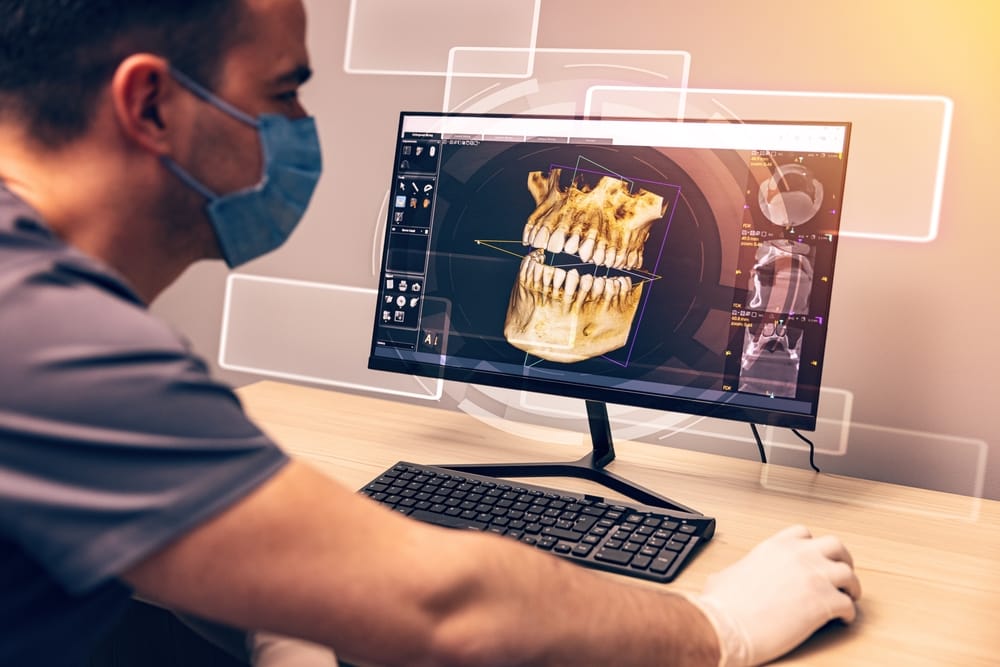
Bone Integration and Healing Timeline
Osseointegration is the process where your natural bone grows onto the titanium implant surface. It begins immediately after surgery but takes months to reach functional strength. This phase determines whether your implants will carry the long-term load of permanent teeth.
What the Research Says About Survival Rates
A longitudinal study of 980 All-on-4 implants reported strong survival rates at both five and ten years, as documented in the Journal of Oral and Maxillofacial Surgery. Prosthetic survival reached 99.2%. Proper healing is the primary driver of those outcomes.
Bone cells called osteoblasts migrate to the titanium surface within days of surgery. They deposit new bone material that hardens gradually over months.
Weeks three through six mark the start of serious mineral deposition. You cannot feel this happening, but it is the most consequential biological event of your recovery.
Factors That Slow Bone Integration
If you had bone grafting before surgery, integration takes longer. Grafted material must first fuse with your natural bone before the implants can anchor properly.
Upper jaw implants typically require more time than lower jaw implants because the bone there is less dense. Your surgeon accounts for this when setting your timeline.
A CBCT imaging study in the Journal of Prosthetic Dentistry confirmed these high survival figures. It also identified smoking, bruxism, and systemic disease as the primary risk factors for slower integration.
Habits That Support Healthy Bone Growth
Supporting bone integration comes down to controllable habits:
- Quit smoking before and during recovery
- Eat adequate protein and calcium-rich foods
- Get consistent sleep to allow growth hormone to work overnight
- Avoid grinding by wearing a night guard if recommended
Most patients achieve functional stability within four months. Integration continues strengthening for up to a year after surgery.
Final Restoration and Permanent Teeth
Permanent teeth replace the temporary prosthesis once CBCT scans confirm enough bone has formed around each implant. This typically happens three to six months after surgery.
When Are You Ready for Permanent Teeth?
Patients with good bone density and straightforward cases often reach this milestone at three months. Those with bone grafts or additional complexity may wait up to six months.
Dental labs fabricate the permanent prosthetic using precise digital scans and impressions. The process takes several weeks. Advanced materials make the final restoration stronger and more stain-resistant than the temporary version.
What the Installation Appointment Involves
The installation appointment involves removing the temporary prosthetic, verifying fit and bite, and locking the permanent bridge into place. Minor adjustments are common and ensure comfortable, even chewing.
Water flossers and implant-specific brushes are the right tools once permanent teeth are in place. Your dental hygienist will walk you through a cleaning routine at your post-placement visit.
A night guard is often recommended for patients who grind. Bruxism generates forces that can damage both the prosthetic and the implant connection over time. Regular professional maintenance continues for life and catches problems before they escalate.
Factors That Affect Recovery Speed
Several variables determine how quickly your body completes each healing phase. Some are within your control; others are not.
Age and Overall Health
Age plays a role. Younger patients generally heal faster due to higher cellular repair activity. Older patients reach the same outcomes but sometimes on a longer timeline.
Non-controllable factors include bone density, existing health conditions like diabetes or heart disease, and prior implant history. Your dental team reviews these during treatment planning to set realistic expectations.
Lifestyle Habits You Can Control
Key controllable factors include:
- Smoking: Nicotine constricts blood vessels and reduces oxygen to healing tissue. Quitting before surgery significantly improves outcomes.
- Nutrition: Protein, calcium, and vitamin D all directly support bone formation and tissue repair.
- Sleep: Growth hormone releases during deep sleep and drives tissue regeneration overnight.
- Stress: Elevated cortisol slows immune function and delays healing. Managing stress actively makes a measurable difference.
Warning Signs and When to Call Your Dental Team
Most patients heal without complications, but certain symptoms require immediate attention. Acting early protects your investment and keeps minor issues from turning serious.
Symptoms That Require a Same-Day Call
Call your dental team if you notice:
- Pain that worsens after day three or four instead of improving
- Bleeding that continues beyond the first 24 hours or soaks through gauze
- Fever, pus, or a persistent bad taste in your mouth
- Any movement or looseness in the temporary prosthesis
- Numbness that has not improved by the two-week mark
- Swelling that affects only one side or continues to grow after day three
When to Seek Emergency Care
Difficulty breathing or swallowing is an emergency. Seek immediate care without delay.
Changes in bite alignment, persistent bad breath despite good hygiene, and unusual swelling patterns all warrant a call. Your dental team would rather evaluate something minor than miss something serious.
Your implant recovery process goes smoothest when you communicate early and often with your care team.
All on 4 Dental Implant Recovery Is Easier When You Know What’s Coming
All-on-4 dental implant recovery succeeds when patients treat each phase as essential. Bone integration cannot be rushed, and the decisions you make during recovery directly shape outcomes that last for decades. Attend every follow-up, protect your blood clots in week one, and give your body what it needs to complete the biological work.
If you are considering this procedure or have questions about your current recovery timeline, Schedule your consultation with us to get answers specific to your case.
FAQs
How long does it take for dental implants to heal?
Full dental implant healing takes three to six months for osseointegration to complete. Soft tissue closes within two to six weeks, but bone fusing to the titanium post takes longer. Your dental team confirms readiness through imaging before moving to your permanent restoration.
How long does dental implant surgery take?
Most dental implant surgeries take two to four hours depending on the number of implants placed and whether extractions or bone grafting are needed. All-on-4 procedures typically fall within this range. Your surgeon reviews your specific treatment plan and gives you a more precise time estimate beforehand.
How to heal faster after dental implants?
Healing speed depends on controllable habits. Quit smoking, eat enough protein and calcium, sleep consistently, and attend every follow-up appointment. Avoid hard foods, strenuous exercise, and anything that creates suction in the mouth. Patients who follow post-operative instructions closely consistently report smoother, faster recoveries than those who do not.
What to expect after dental implant surgery?
Expect swelling, mild bleeding, and discomfort for the first three to five days. Swelling peaks around 48 hours then gradually improves. You will leave with a temporary prosthetic and a soft-food diet requirement. Most patients manage daily life comfortably within one week with prescribed medication and basic care.
How painful is dental implant recovery?
Most patients rate implant recovery as more manageable than expected. Discomfort peaks on day two or three and responds well to prescribed medication. By day five, most people transition to over-the-counter relief. Significant or worsening pain after day four is not normal and warrants a call to your dental team.
Citations/Sources:
- “cumulative patient-related and implant-related success rates of 94.8 percent and 98.1 percent, respectively, at five years”
- “The implant survival rate was 99.38%, and the prosthesis survival rate was 100%”
- “infection (15.3%), implant failure (8.0%), and peri-implantitis (12.0%)”
- https://pmc.ncbi.nlm.nih.gov/articles/PMC9317683/