
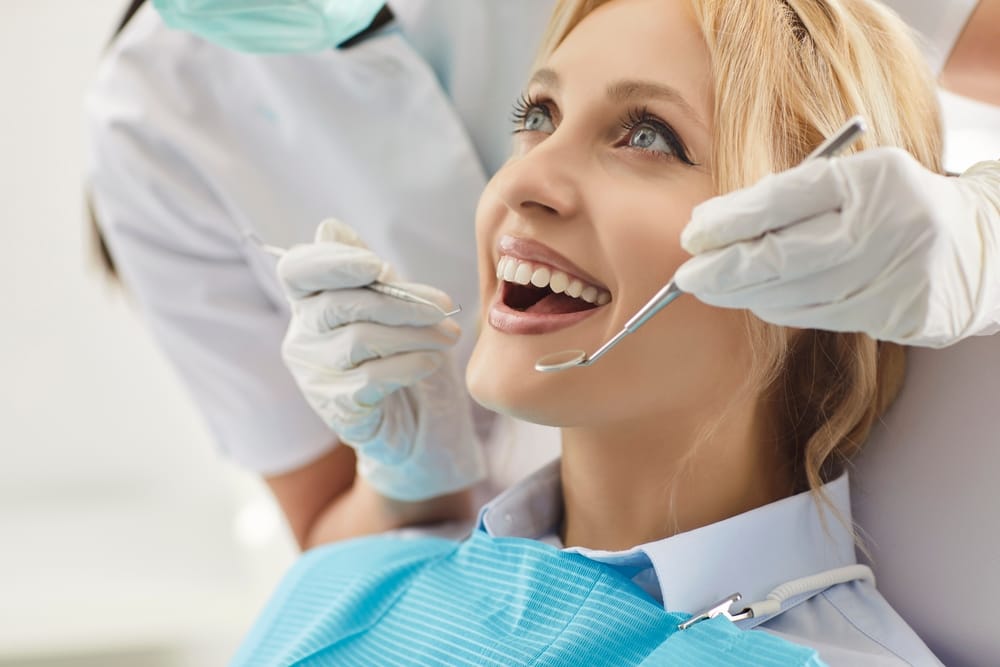
A dentist for yellow teeth can identify exactly why your whitening strips failed and what treatment will actually get results. The problem isn’t your effort. Drugstore products only address one type of staining, and if your yellowing has a different cause, no over-the-counter product will fix it.
Key Takeaways
- Professional whitening uses up to 35% hydrogen peroxide compared to 6-14% in over-the-counter products
- Surface stains respond to bleaching while internal tooth discoloration requires different treatment approaches
- Porcelain veneers mask severe internal staining that no bleaching agent can penetrate
- Combining in-office treatment with custom trays produces superior long-term results
- Dentists use shade guides and digital X-rays to determine the right treatment approach
Professional Teeth Whitening Delivers Superior Results
Professional whitening works where drugstore strips fall short because of one key difference: concentration. Over-the-counter strips contain 6-14% hydrogen peroxide. Dental offices use concentrations up to 35%, which breaks down stubborn stains that weaker formulas cannot touch.
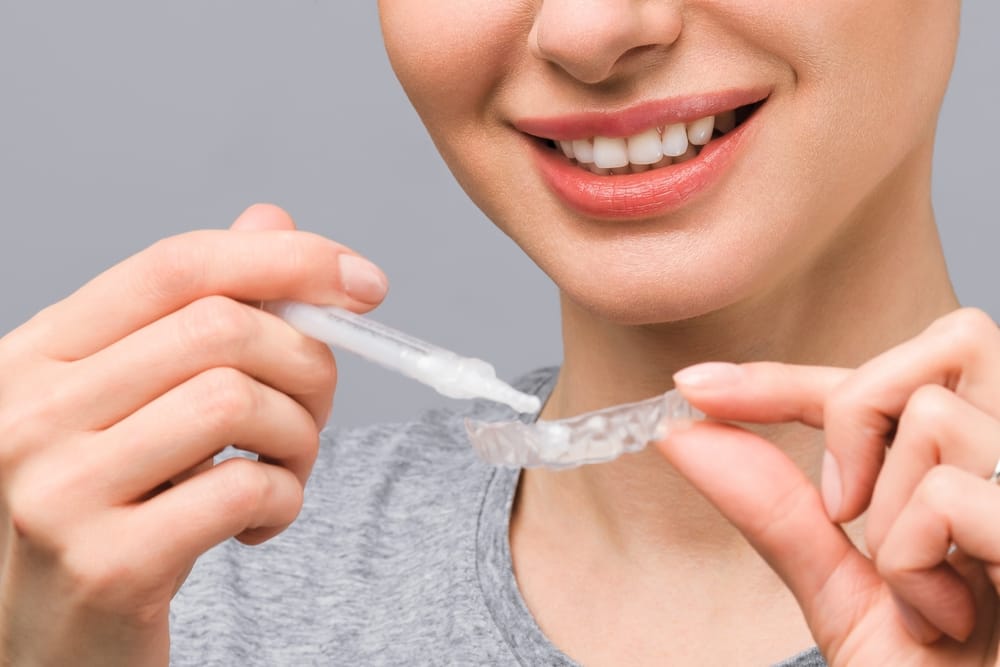
A randomized controlled trial published in the Journal of Esthetic and Restorative Dentistry found longer-lasting whitening efficacy than in-office whitening alone when patients combined in-office sessions with at-home prefilled trays. This combination approach maximizes immediate whitening while providing patients with tools to maintain their results over time through ongoing care protocols.
How Custom Trays Make a Difference
Custom trays fit your teeth exactly, unlike one-size-fits-all strips. The precise fit distributes gel evenly across every tooth surface and keeps it away from gum tissue, reducing sensitivity and irritation.
Before treatment starts, your dentist evaluates your teeth and gums. They check for cavities, gum disease, or existing sensitivity that could affect results. Digital X-rays help spot internal issues that might interfere with the whitening process.
In-Office Whitening Systems Worth Knowing
Zoom teeth whitening and KöR whitening represent the most advanced in-office options available. These systems combine high-concentration bleaching agents with specialized activation methods for dramatic, same-appointment results under safe professional conditions.
Results from professional treatment can last two years or longer, especially when paired with custom take-home trays for periodic touch-ups using professional-strength carbamide peroxide gel.
Why At-Home Whitening Products Fail for Yellow Teeth
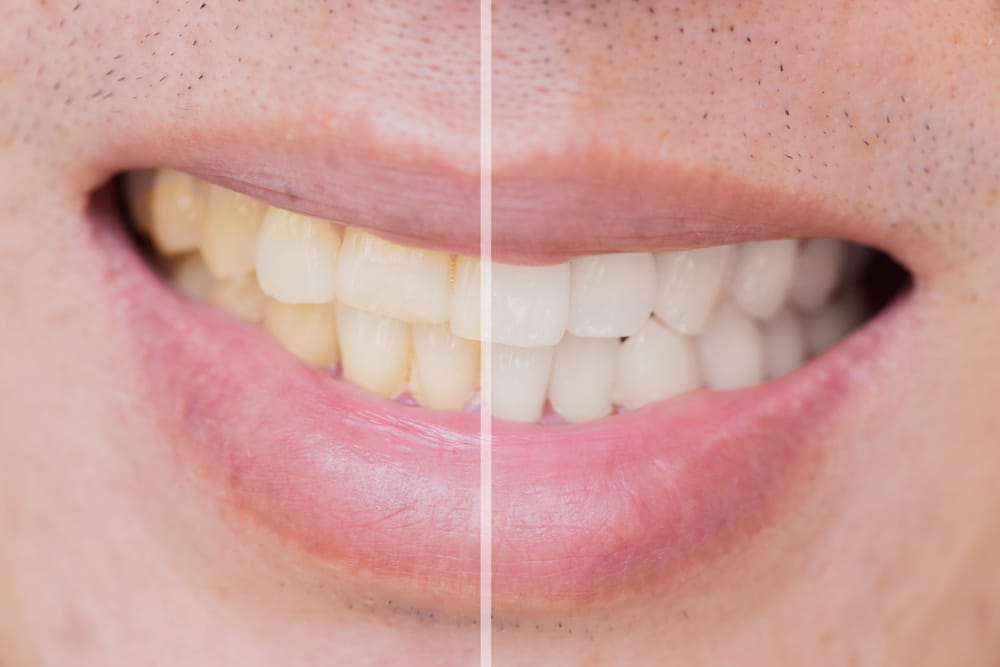
Two completely different types of tooth discoloration exist, and only one responds to bleaching. Brand choice and careful product use do not determine results. The cause of your staining does.
The Two Types of Tooth Discoloration
Bleaching agents will not completely remove intrinsic stains caused by developmental malformation. According to a critical review published in the Dentistry Journal, this distinction between stain types is critical because it determines which treatments will be effective and which will waste your time and money on products that cannot address the underlying cause.
Extrinsic stains sit on the outside of tooth enamel. Coffee, tea, red wine, and tobacco leave surface deposits that hydrogen peroxide can reach and break down. Strips like Crest 3DWhitestrips work on these surface stains when used consistently.
Intrinsic discoloration is a different problem entirely. It starts inside the tooth structure, where no external bleaching agent can reach. Common causes include:
- Fluorosis from excess fluoride exposure during childhood
- Tetracycline antibiotics taken during tooth development
- Trauma that caused internal bleeding and darkening
- Age-related enamel thinning that exposes the yellow dentin underneath
Why Medications and Genetics Play a Role
Previous dental work creates its own complications. Old silver fillings cast gray shadows into surrounding tooth structure. Root canals sometimes darken teeth from within. These situations require approaches that target the actual source, not just the surface.
Medications including blood pressure drugs, antihistamines, and certain antibiotics can cause internal staining that builds slowly over years. Genetics also determine baseline tooth color for many people, making external whitening ineffective regardless of concentration.
Why LED Kits and Natural Methods Fall Short
LED whitening kits sold online use the same low peroxide concentrations as strips. The light component does not meaningfully activate bleaching, according to peer-reviewed research. Natural methods like oil pulling, baking soda, and activated charcoal work even more slowly and share the same limitation: they cannot touch internal discoloration.
When Porcelain Veneers Become the Better Choice
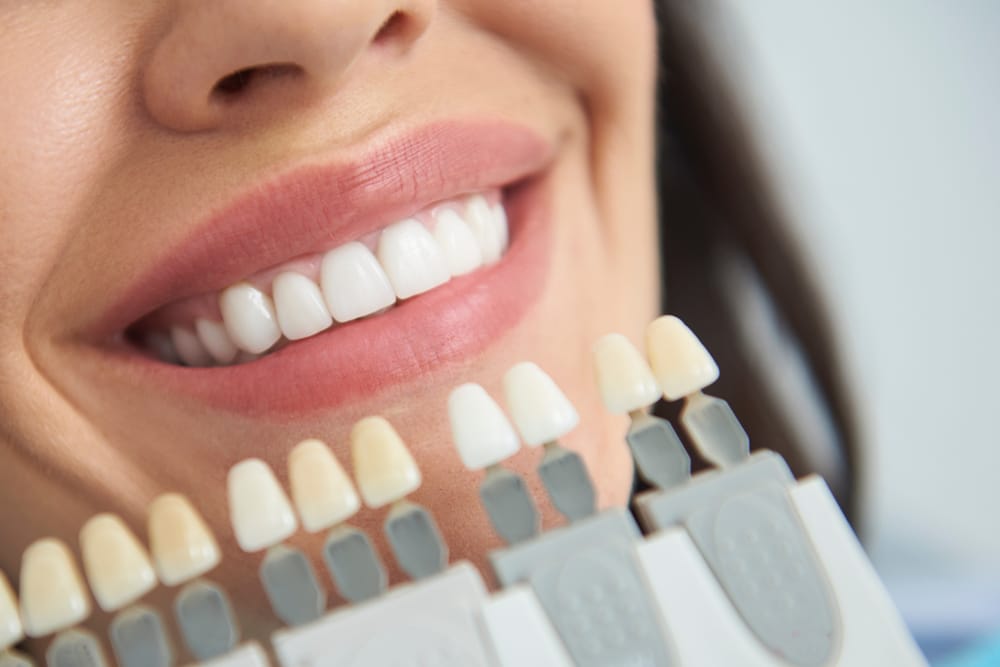
Porcelain veneers solve the whitening problem that bleaching cannot. Thin ceramic shells cover the entire visible tooth surface, masking internal staining completely rather than trying to change color from within.
What the Clinical Evidence Shows
A favorable, minimally invasive result was achieved in treating grade IV tetracycline stains. As reported in the Journal of Clinical and Experimental Dentistry, this demonstrates how veneers can address even the most challenging cases while preserving natural tooth structure through minimally invasive preparation.
The process takes two appointments. At the first visit, a small amount of enamel is removed from the front of each tooth to create space for the porcelain shell. Temporary veneers protect prepared teeth while the lab fabricates permanent restorations using precise color matching.
What Makes Porcelain Look Natural
Modern porcelain closely mimics natural enamel. Lab technicians match color, translucency, and even subtle surface texture so restorations blend seamlessly with surrounding teeth.
Veneers resist staining far better than natural enamel. Properly maintained veneers last 10-15 years or longer and require no special maintenance products to keep their appearance.
A smile makeover using veneers can address shape problems and small gaps alongside severe discoloration, making them the better choice when multiple cosmetic concerns exist at once.
Alternative Solutions for Specific Cases
Not every case of yellow teeth requires veneers or full whitening. Some situations call for targeted approaches that sit between these two options.
When Dental Bonding Is the Right Fit
Dental bonding covers isolated areas of discoloration using tooth-colored composite material. It works well for single teeth darkened by trauma or root canal treatment, takes one appointment, and costs less than veneers. The trade-off is longevity: bonding material typically needs replacement every 5-7 years.
For mild to moderate internal staining, a combination approach can deliver good results. Professional whitening lightens the overall tooth color as much as possible. Then cosmetic veneers or bonding can address specific areas that did not respond fully to bleaching.
The Role of Cleaning and Alignment
Gum therapy and professional deep cleaning also affect how teeth appear. Tartar buildup along the gum line makes teeth look more yellow than they are. Removing these deposits often reveals noticeably brighter tooth surfaces before any whitening treatment begins.
Invisalign clear braces can also play a role. Crooked or overlapping teeth trap stains and make thorough cleaning difficult. Straightening first can improve both the effectiveness and longevity of cosmetic results.
Understanding Tooth Sensitivity and Whitening
Tooth sensitivity is one of the most common concerns about whitening, and it has a straightforward cause. The bleaching process temporarily opens microscopic pores in tooth enamel, allowing temperature changes and sweet sensations to reach the nerve. Sensitivity typically resolves within a few days.
How Professional Care Reduces Sensitivity
Professional treatments minimize this through several built-in strategies. Dentists can use lower concentrations over longer exposure times rather than high-concentration short sessions. Fluoride treatments applied before and after whitening strengthen enamel and reduce nerve irritation.
Custom trays give patients better sensitivity control than strips. If discomfort occurs during at-home maintenance, the dental team can adjust treatment frequency or gel concentration. A systematic review published in the Journal of Dentistry confirmed that potassium nitrate and sodium fluoride reduce tooth sensitivity during bleaching without interfering with whitening results, which is why many professional-grade gels include these ingredients.
pH neutralization after in-office treatment helps close enamel pores and reduce lingering discomfort, a step that most at-home products skip entirely.
The Diagnosis That Changes Everything
Getting the right treatment starts with identifying the actual cause of discoloration. Without that evaluation, patients cycle through treatments that cannot address their specific type of staining, spending time and money without seeing real change.
What a Dental Evaluation Actually Involves
Dentists use shade guides to establish current tooth color and set realistic goals. Digital X-rays reveal whether discoloration comes from the surface or from within the tooth structure. This guides which treatments will produce the best outcome.
The full examination also checks existing dental work, gum health, and sensitivity history. All of these factors influence which whitening methods are appropriate and in what order treatment should proceed.
Why Getting It Right the First Time Matters
Your cosmetic dentist can also identify when a combination approach makes the most sense. Some patients need a professional deep cleaning before whitening, while others need bonding or veneers for areas that do not respond to bleaching. The evaluation catches these nuances before treatment begins, not after.
Advanced tools like intraoral cameras show patients exactly what their dentist sees, making it easier to understand why specific treatments are recommended and what realistic results look like.
Still using strips? Your Dentist for Yellow Teeth Has the Real Answer
A dentist for yellow teeth can do what no whitening strip ever could: identify the actual cause of your discoloration and match it to a treatment that works. Whether the answer is professional whitening, dental bonding, or porcelain veneers, the right path starts with a proper diagnosis. If at-home products have let you down, a professional evaluation at Dental Design Studios changes the outcome. Schedule a consultation today!
FAQs
How to whiten teeth?
The most effective way to whiten teeth is through professional in-office treatment using high-concentration hydrogen peroxide gel. At-home options like whitening strips and custom take-home trays offer moderate results for surface stains. The right method depends on what type of discoloration you have.
Why are my teeth yellow?
Yellow teeth can result from surface stains caused by coffee, tea, tobacco, or red wine. Internal causes include aging, fluorosis, tetracycline use during childhood, or trauma. Some people are simply born with naturally yellower enamel. A dental evaluation identifies which cause applies to you.
Will yellow teeth naturally become white with better oral hygiene?
Better oral hygiene removes surface plaque and prevents new staining, but it cannot reverse existing discoloration on its own. Brushing and flossing maintain tooth health without changing underlying color. For noticeable whitening results, professional treatment or whitening products are needed alongside a solid hygiene routine.
How much is professional teeth whitening?
Professional teeth whitening typically ranges from $300 to $1,000 depending on the treatment type and location. In-office systems like Zoom tend to cost more than custom take-home trays. Many dental offices offer financing options to make treatment more accessible. A consultation gives you an accurate estimate for your specific situation.
When should I consider veneers instead of whitening?
Veneers work best for severe internal staining from tetracycline, fluorosis, or age-related yellowing that bleaching cannot fix. They deliver predictable results when whitening has repeatedly failed and can address shape and spacing concerns at the same time.