

Dental implants for seniors carry a reputation for higher risks and lower success rates that simply does not match what research shows. This belief comes from outdated assumptions about aging and healing. Your health status matters far more than your age when determining whether implants will work for you.
Large-scale data backs this up. A registry-based study tracking over 150,000 implants found an overall failure rate of just 2.21%, with no evidence that older age alone drives that number higher. Researchers identified site location and systemic control as the deciding variables, not the patient’s age.
Key Takeaways
- Patients over 75 achieve higher five-year implant survival rates than younger senior age groups.
- Cardiovascular disease and osteoporosis become manageable factors, not barriers, when coordinated with medical care.
- Bone grafting combined with 3D imaging creates implant opportunities for seniors with jawbone loss.
- Individual health assessment matters far more than age in determining implant candidacy.
- Common senior-specific concerns have evidence-based answers that support informed treatment decisions.
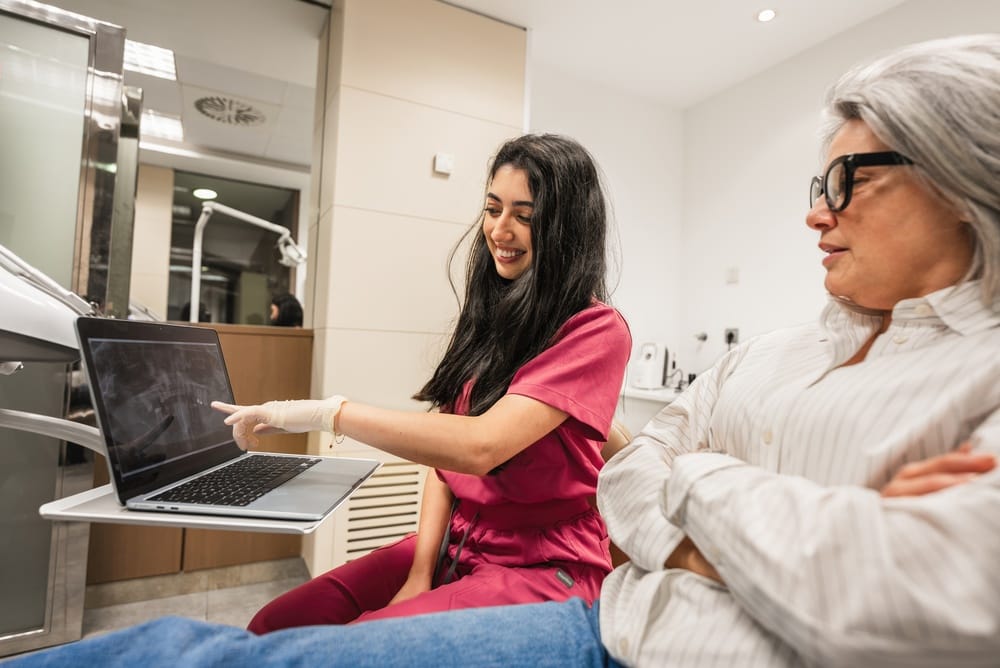
Implant Outcomes Improve with Proper Health Evaluation
The research on implant success in older adults tells a story that surprises most people. Studies consistently show high survival rates in patients aged 65 and older, and the numbers improve in the oldest age groups.
What the Survival Rate Data Actually Shows
A systematic review of implant therapy in adults over 65 found one-year survival rates of 97.7% and five-year rates of 96.2%. A separate analysis found patients over 75 reached even higher five-year survival rates than the 65-to-75 group. Clinical Oral Implants Research confirms that age alone need not be considered a factor in determining implant eligibility.
These findings challenge the core assumption that getting older automatically reduces your chances of tooth replacement success. Your birth year does not predict how well your jawbone integrates with a titanium post.
How Health-Focused Selection Drives Better Results
What drives outcomes is health-focused patient selection. Dental professionals who achieve strong results evaluate bone quality at specific implant sites rather than making blanket age-based decisions. They look at gum health, healing capacity, and your body’s ability to support both the surgery and the months-long integration period.
Your immune function, blood circulation, and tissue repair mechanisms matter far more than your calendar age. Many people maintain excellent oral and systemic health well into their 80s, making them strong implant candidates when properly evaluated.
Why Modern Implant Technology Works in Seniors’ Favor
Modern implant surfaces promote faster bone attachment. Surgical techniques have become less invasive and more precise. These advances reduce healing time and post-surgical discomfort, which benefits seniors in particular.
Recovery depends on individual healing ability, not age alone. The typical process involves soft foods for several weeks while osseointegration takes place. This timeline stays consistent across age groups when health status is comparable.
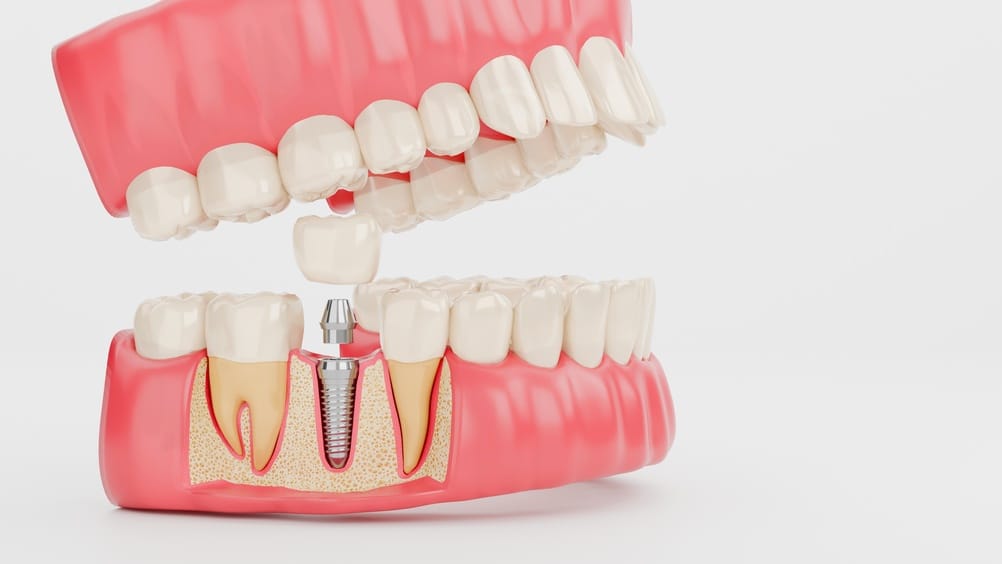
Systemic Health Management Enables Successful Implant Integration
Common medical conditions do not automatically end implant options. What matters is how well those conditions are controlled, not whether they exist at all.
Cardiovascular Disease, Diabetes, and Osteoporosis: What the Research Found
A comprehensive review of geriatric implant outcomes found that implant prostheses represent a reliable treatment for older adults. Conditions like cardiovascular disease and osteoporosis did not significantly reduce implant survival when patients received appropriate medical oversight. Published in Clinical Oral Implants Research, the review concluded that implants are a predictable treatment option with a very high rate of implant survival in geriatric patients.
Diabetes is a clear example. Uncontrolled blood sugar creates real challenges for healing. Patients with well-managed diabetes regularly achieve implant success rates comparable to those without the condition.
The Risk Factors That Actually Matter
Osteoporosis requires consideration but does not close the door on implants. Bone density at the specific implant site matters more than your overall osteoporosis diagnosis. Your dental team evaluates the exact location, not a generalized measurement.
The factors that genuinely affect outcomes include:
- Smoking status
- Uncontrolled blood sugar levels
- Specific medications that affect bone metabolism
- Bone quality at proposed implant sites
These are manageable variables, not automatic disqualifiers. Medication timing around surgery, coordination with your physician, and temporary adjustments to blood thinners or bone-building drugs are standard parts of treatment planning.
How Your Medical Team and Dental Team Work Together
Gum disease requires treatment before implant placement, but successful periodontal therapy creates a healthy foundation. Good circulation from well-managed heart health supports implant healing by delivering oxygen and nutrients to the site. Open coordination between your physicians and dental team is what makes safe, successful treatment possible.
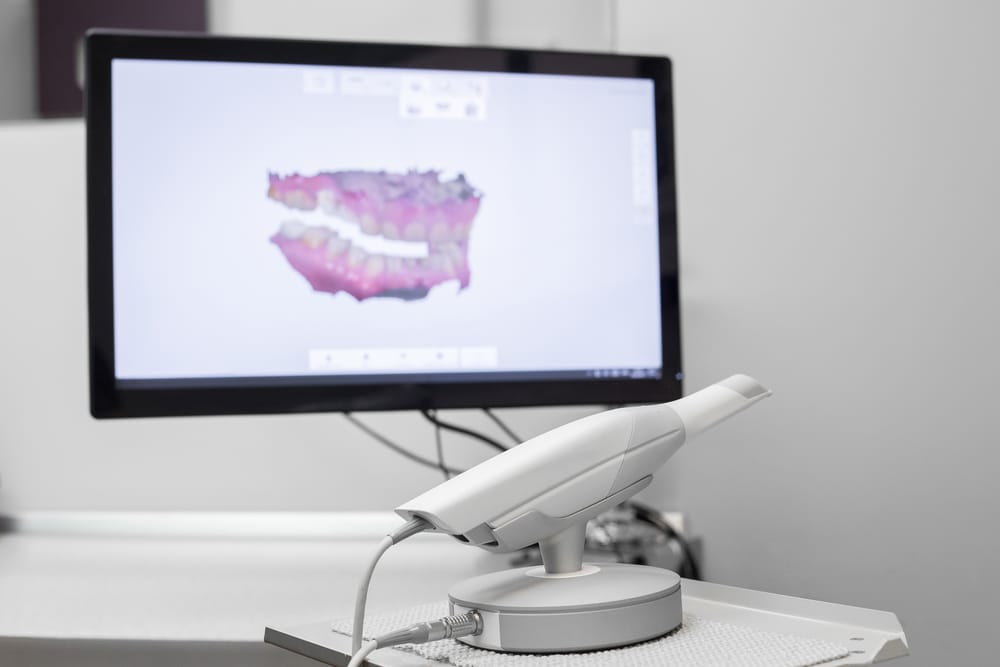
Advanced Techniques Overcome Age-Related Bone Challenges
Bone loss is one of the most common concerns for seniors considering implants. Years of tooth loss or denture wear cause the jawbone to shrink through a process called bone resorption. But reduced bone does not mean implants are off the table.
Bone Grafts, Sinus Lifts, and Zygomatic Implants Explained
Bone grafting, sinus lifts, and advanced options like zygomatic implants rebuild the foundation that implant placement requires. These procedures have made implant therapy available to seniors who would not have been candidates a generation ago.
Here is how the options work in sequence:
- Bone grafts use your own tissue, donor bone, or synthetic material to rebuild areas of loss. Most require three to six months of healing before implant placement.
- Sinus lifts address upper jaw bone loss. When molars have been missing for years, the sinus cavity expands downward. A sinus lift raises that floor and adds grafting material to create space.
- Zygomatic implants anchor in the cheekbone rather than the depleted jawbone. These bypass areas of severe bone loss and extend options to seniors with significant jaw changes from long-term tooth absence.
How 3D Imaging Makes Surgical Planning More Precise
Treatment planning begins with 3D cone beam scanning that maps bone density, nerve pathways, and sinus cavities in precise detail. This imaging guides surgical placement and determines which bone reconstruction steps are needed.
Computer-guided placement improves surgical accuracy and reduces operating time. This precision minimizes tissue trauma and supports faster healing, which is valuable for older patients.
Full Arch Restoration Even After Significant Bone Loss
All-on-4 techniques maximize available bone while reducing the need for extensive grafting. Seniors can replace entire arches of teeth even after significant bone loss.
Your Health Profile Determines Implant Success
Age-based assumptions about implant candidacy overlook a fundamental reality: health drives outcomes, not years lived.
What a Proper Implant Evaluation Actually Covers
A proper evaluation looks at your current medications, chronic conditions, bone quality at specific sites, gum health, and healing capacity. Your dental team coordinates with your physicians to understand how your systemic health affects integration and recovery.
Gum disease must be addressed before placement, but successfully treated gums create a solid foundation for implants at any age. Bone quality at the implant site matters more than overall density measurements or an osteoporosis diagnosis on your chart.
Implant-Supported Options Built for Senior Patients
Implant-supported dentures offer a strong option for seniors who want stability and chewing efficiency beyond what traditional dentures provide. These solutions often require fewer implants than full arch reconstruction, making them more accessible for patients with limited bone volume.
Snap-in dentures combine implant stability with removable convenience. This suits seniors who prefer to remove teeth for cleaning while gaining improved retention and function.
Comfort, Cost, and Long-Term Value
Comfort during the procedure matters too. Sedation dentistry options, including IV sedation and local anesthesia, help patients stay relaxed throughout surgery. Implants often last decades with proper care, which makes them more cost-effective over time than repeated denture replacements.
Your implant evaluation considers your specific health profile, bone structure, treatment goals, and lifestyle. Age is one data point among many, and rarely the deciding one.
Health Over Age: The Truth About Dental Implants for Seniors
Dental implants for seniors are not a gamble. Research shows that health status, not age, determines whether implants succeed. Well-managed conditions, advanced bone reconstruction techniques, and individualized treatment planning have made implant therapy a reliable option for adults of almost any age.
You deserve a clear, honest evaluation of your specific situation rather than an assumption based on your birth year. If missing teeth have affected your confidence, chewing, or daily comfort, the next step is a conversation with Dental Design Studios!
FAQs
What is the cost of dental implants for seniors?
Dental implant costs typically range from $1,500 to $6,000 per tooth, depending on bone grafting needs, location, and the type of restoration. Medicare rarely covers implants, but many practices offer financing plans. Long-term, implants cost less than repeated denture replacements.
Are dental implants safe for seniors?
Dental implants are safe for seniors when health conditions are properly managed and medical clearance is obtained. Research consistently shows high survival rates in older adults. Modern surgical techniques, sedation options, and coordinated care between your dental and medical teams make the procedure well-tolerated across most age groups.
What age is too old for dental implants?
No specific age cutoff exists for implant candidacy. Patients in their 80s and 90s receive successful implants when overall health supports the procedure. Your dental team evaluates your individual situation, not your age, to determine whether implants are right for you.
Do medical conditions prevent seniors from getting implants?
Most conditions do not prevent implant placement when properly managed. Diabetes, heart disease, and osteoporosis require physician coordination but rarely eliminate options when well-controlled. Your dental team reviews your full medical history and works with your doctors to plan treatment safely.
How long do dental implants last in older patients?
Dental implants can last decades in seniors with proper care. Five-year survival rates exceed 96% in patients over 75. Good oral hygiene and regular dental visits are the biggest factors in long-term implant success across all age groups.