
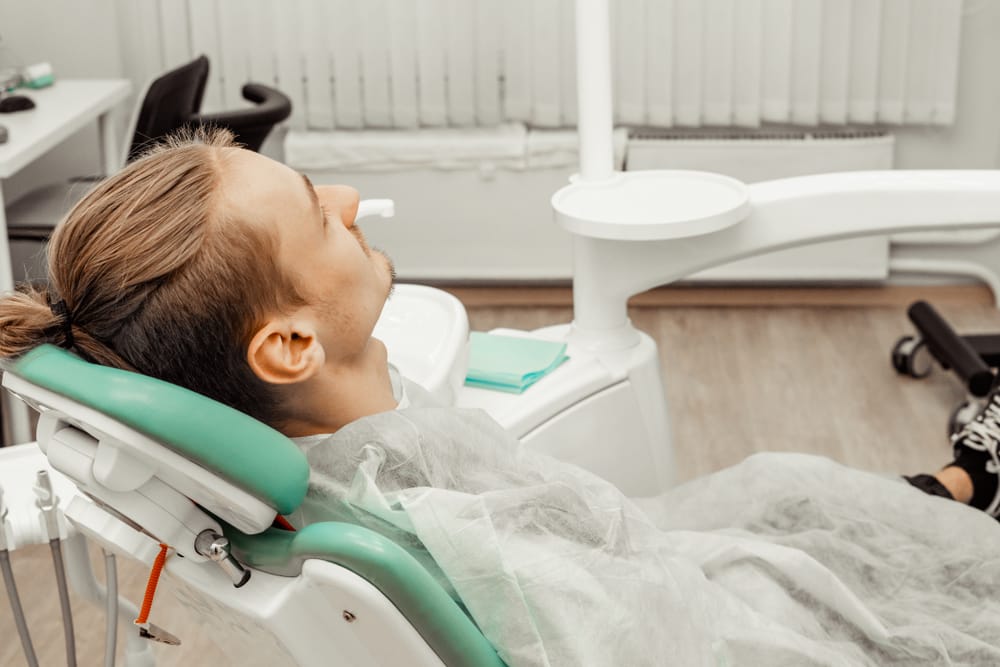
Choosing the right sedation for dental implants comes down to three things: your anxiety level, the complexity of your procedure, and how much recovery time you can manage. Three main options exist, and each one targets a different comfort need.
Key Takeaways
- IV sedation allows real-time dosage adjustments during complex implant procedures
- Nitrous oxide wears off in minutes so you can drive home immediately
- Oral sedation creates partial memory loss while keeping you responsive
- Medical screening identifies the safest sedation choice for your health conditions
- Each sedation type matches specific anxiety levels and procedure complexity

IV Sedation
Intravenous sedation is the most controlled option available for implant surgery. Medication enters your bloodstream directly through a small tube in your arm, and your dental team can adjust the dose in real time throughout the procedure.
How IV Sedation Works During Implant Surgery
That level of control matters most for longer or more involved cases. A randomized controlled trial published in the Journal of Pharmacy and Bioallied Sciences found that patients receiving IV sedation achieved the highest anxiety reduction and patient satisfaction compared to nitrous oxide and oral midazolam, with 92% reporting a very satisfied experience. The medicine takes effect within seconds.
Complex cases, including full-arch restoration and procedures involving bone grafting, can take several hours. Real-time dose adjustment keeps you comfortable from start to finish without relying on a fixed amount set before treatment begins.
What You Experience During IV Sedation
You stay awake but feel deeply relaxed. You can still respond to simple instructions, like opening wider or turning your head, but the medicine creates a sedated state where time moves quickly. Most patients recall very little.
A systematic review appearing in Clinical Implant Dentistry and Related Research confirmed that tracking systolic and diastolic blood pressure and the heart rate throughout the procedure is standard practice. A pulse oximeter also monitors blood oxygen saturation, and emergency equipment stays on hand.
IV Sedation Recovery and Side Effects
Recovery takes longer than with other options. Someone must drive you home, and drowsiness can last several hours. Many patients sleep through the rest of the day. For extensive implant work, that tradeoff is worth it.
Patients with severe dental phobia benefit most from this method. It also works well for anyone who needs multiple implants placed in a single visit. Anesthesia providers with hospital-based residency training administer IV sedation and monitor your vitals throughout.
Side effects are uncommon with proper monitoring. Some patients feel dizzy or slightly nauseous during recovery, but those feelings fade as the medication clears your system.
Nitrous Oxide
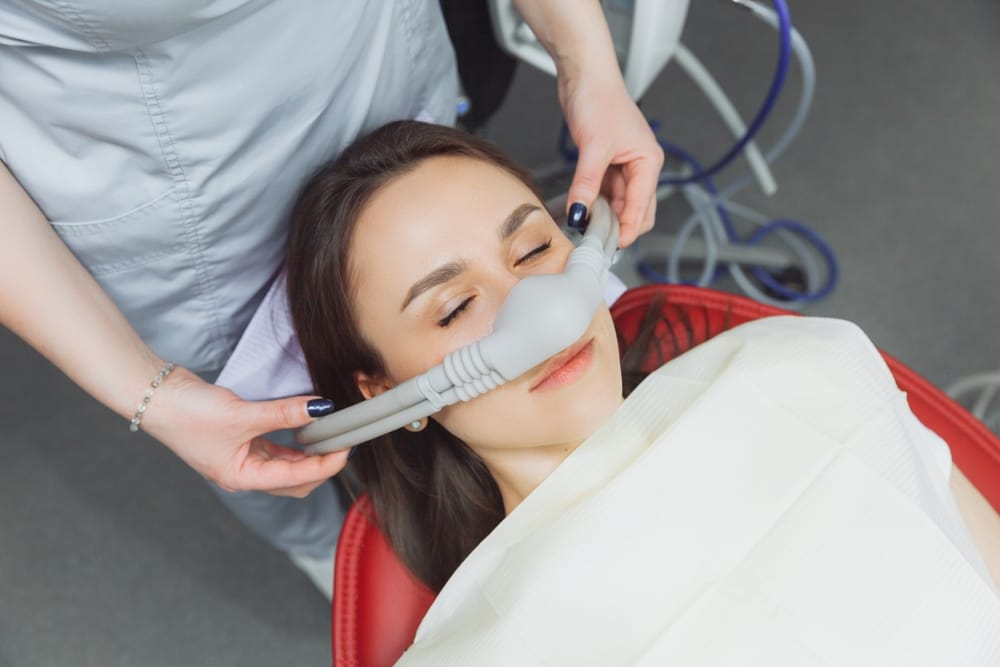
Nitrous oxide, commonly called laughing gas, delivers mild relaxation without putting you deeply under. It flows through a small mask placed over your nose, and the calming effect begins within two to three minutes.
How Nitrous Oxide Affects Your Body
You stay fully alert during the procedure. The gas creates a light, floating sensation, and some patients notice mild tingling in their arms and legs. These feelings are normal and disappear quickly once the mask comes off.
Researchers writing in Clinical Oral Investigations found no significant efficacy differences from other techniques across multiple outcomes, making nitrous oxide a reliable first-line choice for patients with mild anxiety undergoing straightforward procedures.
When Nitrous Oxide Is the Right Fit
The biggest advantage is speed of recovery. The gas clears your system within minutes, which means you can drive yourself home right after your appointment. That makes it the easiest option to fit around a work schedule.
Single implant placement and other routine procedures under an hour are well-suited to this level of sedation. More complex surgeries involving bone work or extended surgical time may require a stronger option.
Nitrous Oxide Side Effects and Limitations
Side effects are rare. A small number of patients feel slightly dizzy or mildly nauseous at the start, but both sensations go away once the mask is removed.
Your dental team adjusts the gas concentration throughout treatment. They can raise the level if your anxiety increases and reduce it if you feel too drowsy. Patients who cannot breathe through their nose, due to congestion or a respiratory condition, are not good candidates.
Nitrous oxide also works alongside local anesthesia without interfering with its effectiveness. The gas reduces anxiety during the numbing injection, and the local anesthetic handles pain control for the surgical site. Cost is generally lower than other sedation types, and many insurance plans include coverage for nitrous oxide during surgical dental procedures.

Oral Conscious Sedation
Oral conscious sedation uses prescription pills taken before your appointment to produce deeper relaxation than nitrous oxide. The medication belongs to the benzodiazepine family, a class of drugs known for reducing anxiety and causing drowsiness.
How Oral Sedation Works Before and During Treatment
You take the pills one to two hours before treatment so the medication reaches its peak effect when your procedure begins. Timing is important, and your dental team will give you specific instructions.
The drowsiness sits between nitrous oxide and IV sedation on the sedation spectrum. You remain responsive and can follow simple instructions, but many patients doze lightly during treatment. A study documented in BMJ Open confirmed effectiveness and safety of oral sedation in adults across multiple randomized clinical trials evaluating benzodiazepines as anxiolytics for dental procedures.
Who Benefits Most From Oral Conscious Sedation
This option works well when nitrous oxide is not enough but IV sedation feels like more than you need. It is also helpful for patients with strong gag reflexes, since the relaxed state suppresses that response and makes the dental implant procedure easier for everyone involved.
Dosage depends on your weight, age, and medical history. Your dental team will calculate the right prescription for your specific needs and provide detailed pre-appointment instructions, including dietary restrictions.
Medical Screening and Safety
Before any sedation is administered, your complete health history shapes the decision. Heart conditions, respiratory issues, current medications, pregnancy, and blood pressure readings all factor into which option is appropriate for you.
What Your Dental Team Reviews Before Sedation
Current medications are a particular concern. Blood thinners, heart medications, and antidepressants can interact with sedation drugs. Your dental team cross-checks these combinations before making a recommendation.
Age also affects how your body processes sedation. Older patients often require modified doses, and anyone with a history of adverse reactions to anesthesia brings that information to the screening as well.
According to a review published in the Annals of Maxillofacial Surgery, a detailed and thorough pre-sedation checkup comprising assessment of the airway and cardiorespiratory system is required before any sedation procedure. Your dental team needs complete and accurate information. Withholding details about your medical history creates unnecessary risk.
When Medical Clearance Is Required
Some patients will need clearance from their primary physician before sedation can proceed, especially those managing serious cardiovascular or respiratory conditions. In those cases, your physician and dental team coordinate directly.
Choosing Your Comfort Level
Matching sedation to your situation starts with an honest look at three factors: how anxious you are, how involved the procedure is, and how much recovery time you have available.
Matching Sedation to Your Anxiety Level
Mild anxiety combined with a straightforward single implant often needs nothing more than nitrous oxide. Severe dental phobia paired with full mouth work almost always points to IV sedation. Most patients with moderate anxiety and multi-implant procedures land somewhere in the oral sedation range.
How Schedule and Recovery Time Factor In
Your schedule matters. Nitrous oxide allows you to return to work the same day. Oral sedation requires the rest of the day off. IV sedation may call for a full two days of recovery. That affects patients with demanding work schedules or childcare responsibilities.
How Medical History and Cost Shape Your Options
Medical history narrows the field in some cases. Heart conditions may rule out certain IV sedation protocols. Respiratory problems can make nitrous oxide unsuitable. Your dental team uses your screening results to identify which options are safe for you, not just which ones sound appealing.
Cost is a practical factor too. Nitrous oxide carries the lowest price point. Oral sedation falls in the middle. IV sedation costs the most due to specialized monitoring and provider requirements. But it can also allow your team to complete more work in fewer visits, which changes the overall cost math.
Complex Procedures and Special Considerations
Patients undergoing bone grafting or sinus lifts typically need oral or IV sedation. The additional surgical time and tissue handling involved makes lighter sedation a poor fit for those cases.
A strong gag reflex, past negative dental experiences, or anxiety tied specifically to needles or masks can all tip the decision in a particular direction. Your dental team factors in those preferences alongside the clinical requirements.
The Right Sedation for Dental Implants Changes Everything About The Surgery
Sedation for dental implants is not a one-size-fits-all decision. Nitrous oxide suits mild anxiety and quick procedures. Oral sedation covers moderate cases with a familiar, pill-based approach. IV sedation handles the most complex work with the tightest real-time control.
Dental fear should not be the reason you put off treatment that could change your quality of life. If you have questions or want to find out which sedation approach fits your situation, visit Dental Design Studios today!
FAQs
How long does recovery take for each sedation type?
Recovery time depends on your method. Nitrous oxide clears within minutes, letting you drive home immediately. Oral sedation effects typically last four to six hours. IV sedation may leave you drowsy for the rest of the day and sometimes into the following morning.
Can I eat normally before my sedation appointment?
It depends on your sedation type. Nitrous oxide generally allows normal eating beforehand. Oral and IV sedation typically require fasting for six to eight hours before your appointment. Your dental team will give you specific pre-appointment instructions when your sedation plan is confirmed.
Do they put you to sleep for dental implants?
Most patients stay awake during dental implant surgery. IV sedation creates a deeply relaxed, dream-like state where you remain responsive but remember little afterward. General anesthesia is rarely necessary. Your dentist chooses the sedation level based on your anxiety, medical history, and how complex the procedure is.
Do I need anesthesia for dental implants?
Local anesthesia is standard for every dental implant procedure, numbing the surgical site so you feel no pain. Sedation is separate and optional, added on top of local anesthesia to manage anxiety. Most patients benefit from at least mild sedation, but the level depends on your comfort needs.
What type of sedation is used for dental implants?
Three options are commonly used: nitrous oxide for mild anxiety, oral conscious sedation for moderate cases, and IV sedation for complex procedures or severe dental phobia. Local anesthesia is always included to eliminate pain at the surgical site. Your dentist recommends the right combination based on your health history and procedure.