
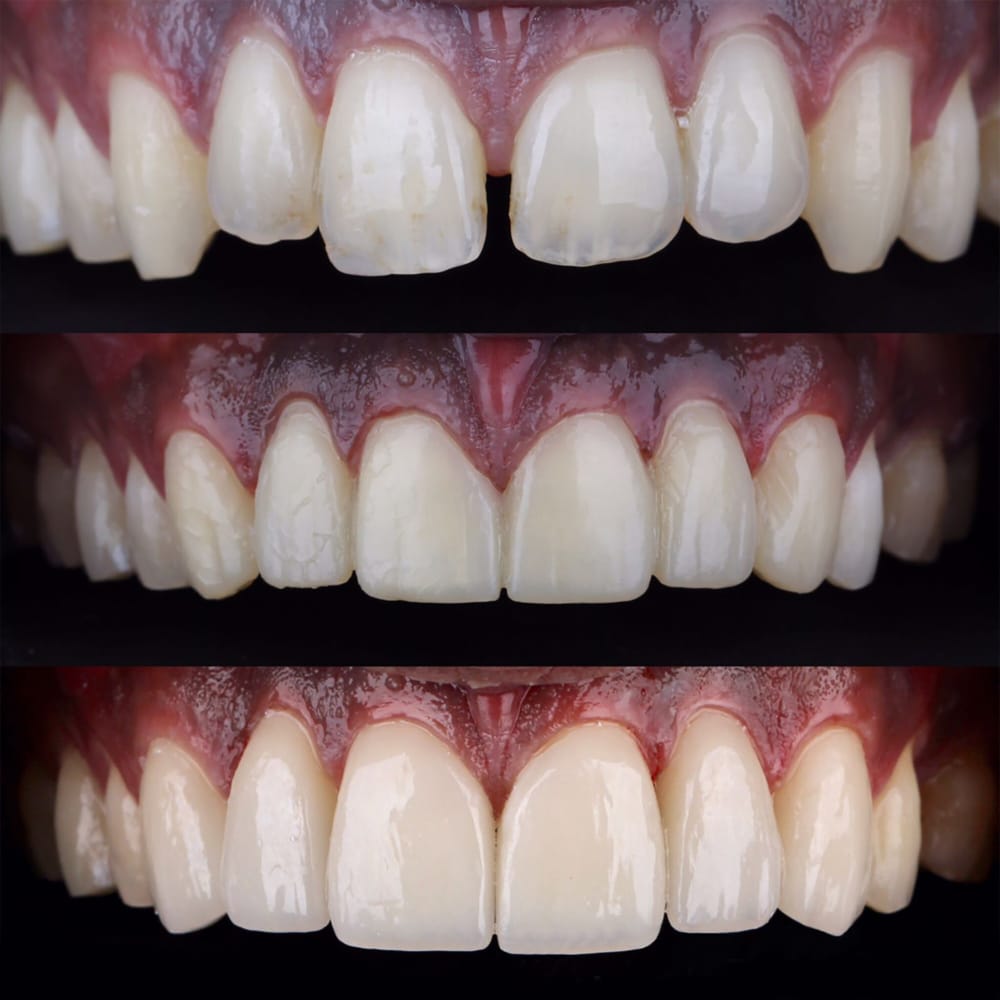
Veneers vs crowns is one of the most common questions patients ask when exploring cosmetic dental options. The right choice depends on how much damage exists, how much healthy enamel remains, and what your long-term smile goals are. These three cosmetic dental solutions each involve a different balance of tooth preparation, cost, and durability.
Key Takeaways
- Porcelain laminate veneers remove only 0.5mm of enamel and achieve a 95.5% survival rate over 10 years
- Composite bonding delivers same-day results with minimal tooth removal but typically needs replacement every 5 to 7 years
- Dental crowns require the most tooth reduction but offer the best protection for severely damaged or root canal-treated teeth
- Treatment selection depends on the extent of damage, remaining tooth structure, and long-term aesthetic goals
- Digital imaging helps dentists determine whether veneers, bonding, or full crown coverage fits each patient’s clinical situation
Porcelain Laminate Veneers: Minimal Preparation, Maximum Results
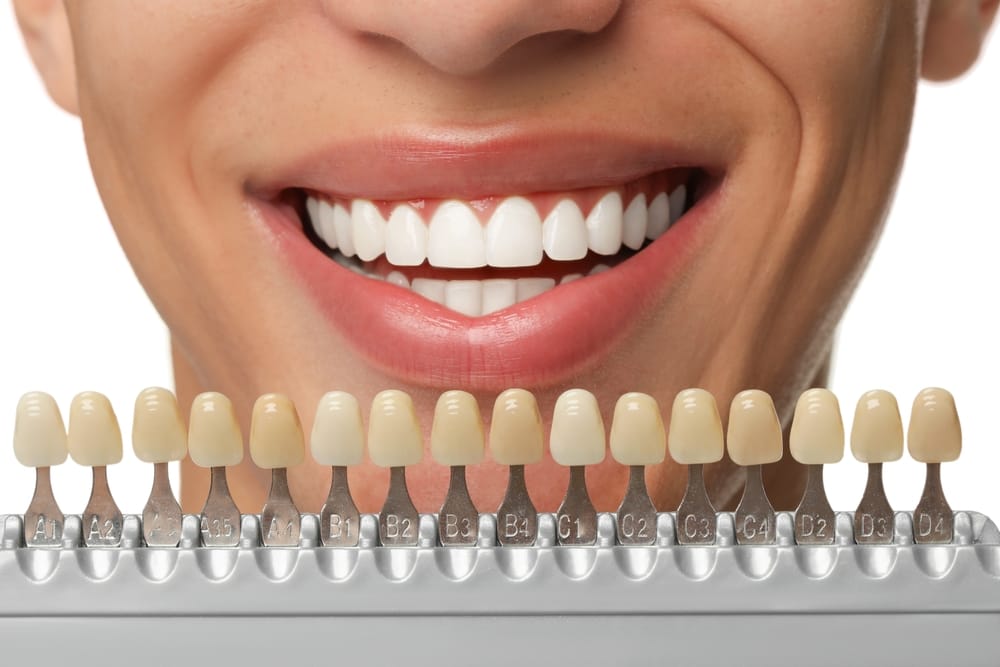
Porcelain laminate veneers strike the best balance between tooth preservation and long-lasting cosmetic improvement for most patients. These ultra-thin porcelain shells bond to the front surface of teeth after removing just 0.5mm of enamel, keeping most of the natural tooth structure intact.
The Veneer Treatment Process
A large systematic review confirmed that the 10-year estimated cumulative survival rate of PLVs was 95.5% across more than 6,500 restorations, according to the Journal of Clinical Medicine. A separate meta-analysis published in the Journal of Prosthetic Dentistry found that ceramic veneers bonded to enamel achieved almost perfect rates of survival (99%) when properly placed, making enamel bonding a critical factor in long-term success.
The first appointment focuses on tooth preparation. A dentist removes a thin layer of enamel using precision instruments, then takes detailed impressions to send to the dental laboratory. Temporary veneers protect the teeth during the one-to-two-week fabrication period.
At the second appointment, each permanent veneer bonds to the tooth using special dental cement and adhesive techniques. This bond creates a durable chemical and mechanical connection designed to last for decades with proper care.
Material Advantages and Longevity
Porcelain resists staining better than natural enamel or composite resin. Coffee, wine, and tobacco products that discolor natural teeth have little effect on porcelain surfaces.
Properly maintained porcelain veneers typically last 15 to 20 years or longer. That lifespan makes them a strong long-term investment compared to treatments requiring more frequent replacement. Because so little enamel is removed, the preparation is also among the most conservative of all fixed cosmetic options.
Composite Bonding: Immediate, Affordable Cosmetic Improvements
Composite bonding is the most conservative cosmetic option available, requiring almost no tooth removal in most cases. A dentist applies tooth-colored resin directly to the tooth, sculpts it into shape, and hardens it with a curing light, often within a single appointment. The result is a natural-looking fix that patients can walk out with the same day.
The Direct Bonding Process
The procedure begins with light surface etching to help the resin adhere. The composite material is applied in thin layers, each shaped and cured separately with a special light. Final polishing produces a smooth surface that reflects light similarly to natural enamel.
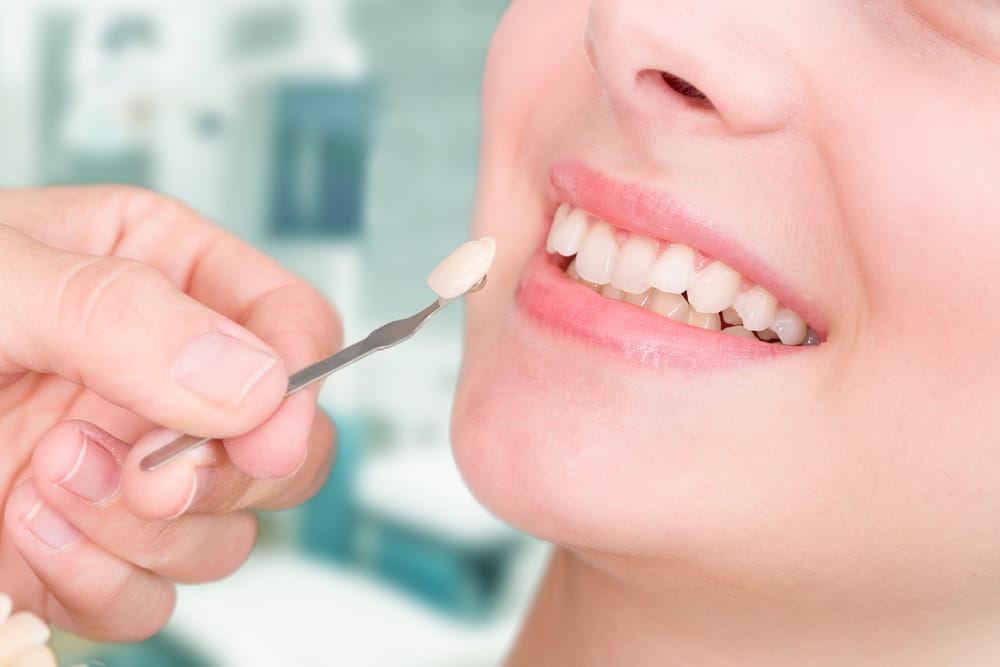
Color matching happens in real time using shade guides that capture subtle differences in translucency and tone. Most bonding appointments take 30 to 60 minutes per tooth, with no temporary restorations or laboratory wait time involved.
Ideal Applications and Limitations
Bonding works well for specific cosmetic concerns:
- Small chips from accidents or grinding
- Minor gaps between front teeth
- Individual teeth with surface discoloration
The immediate results appeal to patients with time constraints or upcoming events. However, composite resin stains more easily than porcelain. Regular coffee, tea, or red wine consumption can discolor bonded areas over time, and tobacco accelerates that process significantly.
Composite also wears faster than ceramic materials. High-stress areas like back teeth may chip or wear within a few years, making bonding a poor fit for patients with heavy bite forces.
Maintenance and Replacement Considerations
Most bonding lasts five to seven years before needing touch-ups or full replacement. Research published in the Journal of Dental Research puts mean annual failure rates between 1% and 3% for composite resin restorations, with wear and staining driving most of those losses. That shorter lifespan increases long-term costs despite the lower upfront price.
Bonding suits younger patients whose teeth are still developing, as well as anyone who wants to test cosmetic results before committing to a permanent option. Because tooth structure stays essentially intact, future treatment changes remain fully available.
Dental Crowns: Complete Protection for Compromised Teeth
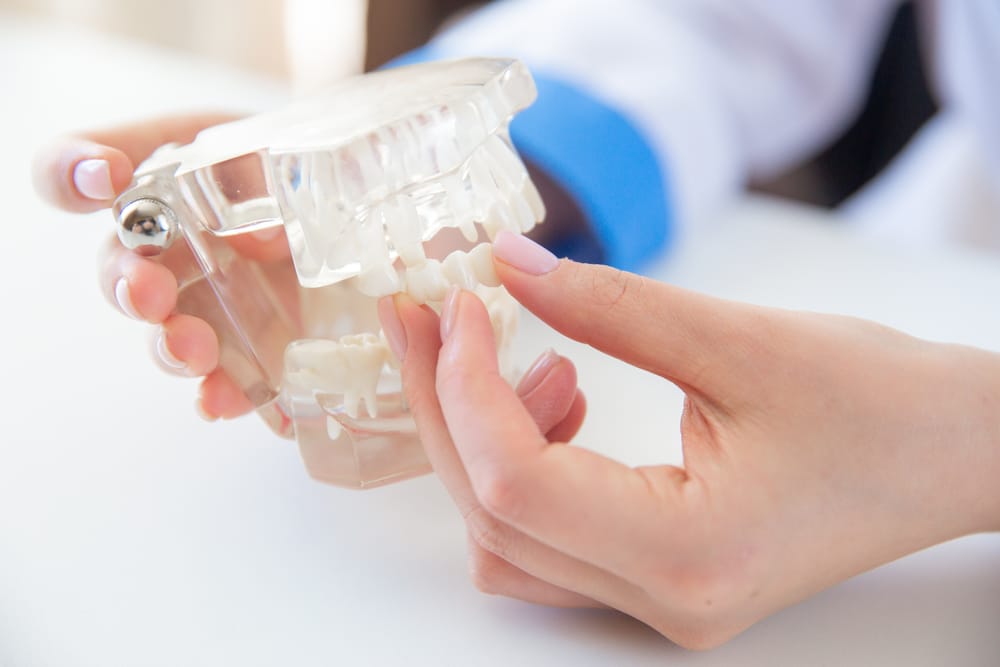
Dental crowns become necessary when damage goes beyond what veneers or bonding can address. A crown covers the entire visible portion of a tooth, which requires removing structure from all surfaces, not just the front. This approach suits teeth that are severely weakened, cracked, or have undergone root canal therapy.
Research cited in the Journal of Dental Research confirms the role that resin bonding plays in the long-term success of high-strength ceramics, particularly when adhesive cementation techniques are used correctly.
Crown Material Options and Selection
Several materials are available depending on location in the mouth and patient needs:
- All-porcelain: Best aesthetic match for front teeth, mimics natural translucency
- Porcelain fused to metal: Strong core with a tooth-colored exterior, suited for back teeth
- Full ceramic: Combines strength and beauty without a metal substructure
- Zirconia: Highest strength, chip-resistant, appropriate for both front and back teeth
Material choice depends on bite force, tooth location, and aesthetic priority. A dentist will assess all three before recommending a specific option.
Traditional vs. Same-Day Crown Procedures
Traditional crowns require two appointments. The first involves tooth preparation under local anesthetic and placement of a temporary crown. Detailed impressions go to a dental laboratory, where technicians fabricate the permanent crown over one to two weeks.
Same-day crowns use CAD/CAM milling technology to design and produce the restoration in-office while the patient waits. This eliminates the temporary crown stage and significantly reduces total treatment time.
Both approaches produce durable results. The choice depends on office technology, tooth complexity, and patient preference.
Clinical Indications and Long-Term Success
Crowns are most appropriate in these clinical situations:
- Teeth with large cracks extending toward the gum line
- Severe decay that has destroyed most of the natural tooth
- Teeth weakened by root canal treatment
- Large failed fillings where replacement material would exceed 50% of the tooth
With proper care, crowns routinely deliver decades of service. Regular dental checkups allow monitoring of crown margins and surrounding gum health to catch early problems before they escalate.
Making the Right Choice for Your Smile Goals
Choosing the right treatment begins with a thorough clinical evaluation. A dentist assesses tooth damage, enamel thickness, bite forces, existing restorations, and aesthetic goals before making any recommendation.
Factors Influencing Treatment Selection
Several factors shape the final decision:
- Remaining tooth structure: Minor damage with strong enamel suits veneers or bonding; extensive damage calls for crowns
- Aesthetic goals: Dramatic changes typically require veneers or crowns; subtle corrections work well with bonding
- Bite force and grinding habits: Heavy bite forces favor porcelain or ceramic over composite resin
- Existing dental work: Patients with multiple restorations may benefit from crowns that integrate with surrounding teeth
- Gum health: Active gum disease must be treated before any cosmetic procedure begins
Age also plays a role. Bonding is often preferred for younger patients, while veneers and crowns suit patients with stable, fully developed teeth.
Professional Assessment and Treatment Planning
Digital imaging allows a dentist to evaluate tooth condition in detail before any preparation begins. Smile design software can also show patients a preview of projected results, helping set realistic expectations.
Treatment sequencing matters for patients with multiple concerns. Addressing quality dental care priorities like gum disease or alignment issues before cosmetic work protects the final result and extends longevity. Dental insurance typically covers crowns with a functional indication but provides limited or no coverage for veneers and bonding.
Here is How to Stop Guessing Between Veneers vs Crowns
Choosing between veneers vs crowns and bonding comes down to three questions: how much damage exists, how much enamel remains, and what the long-term goal looks like. Veneers offer durability with minimal removal, bonding provides quick, affordable fixes, and crowns deliver full protection when teeth are seriously compromised.
A clinical evaluation with digital imaging removes the guesswork and points to the option that fits both the clinical situation and the budget. If you want a clear answer for your specific teeth, schedule a consultation with our team to review your options and map out a plan that works!
FAQs
What is a crown for teeth?
A dental crown is a cap that covers your entire tooth from the gum line up. Dentists use them to protect teeth that are cracked, severely decayed, or weakened after a root canal. Crowns restore both the look and function of a damaged tooth and can last 15 to 30 years.
What are veneers?
Veneers are thin porcelain or composite shells bonded to the front surface of your teeth. They cover cosmetic flaws like chips, gaps, staining, and uneven lengths without removing much tooth structure. Most patients need just two appointments to get a complete smile change that can last 10 to 20 years.
Are veneers expensive?
Porcelain veneers typically cost between $1,000 and $2,500 per tooth. Composite veneers run lower, usually $300 to $600 per tooth. Dental insurance rarely covers them since they are considered cosmetic. Many patients find the long lifespan and low maintenance make porcelain veneers a worthwhile investment compared to repeated cheaper fixes.
What's the difference between a crown and a veneer?
The main difference is coverage. A veneer covers only the front surface of a tooth and requires minimal enamel removal. A crown wraps around the entire tooth and requires more preparation. Veneers suit cosmetic concerns on healthy teeth, while crowns handle structural damage, decay, or teeth that need full protection.
Are crowns better than veneers?
Most dentists recommend waiting three to six months after the implant crown is placed before getting veneers on neighboring teeth. This allows gum tissue to heal and stabilize fully. Accurate color matching between the implant crown and veneers requires the tissue to settle into its final position first.