

Same day dental implants give you titanium posts and temporary teeth in one visit. You walk in with missing teeth and leave with a working smile that afternoon. This approach skips the months-long gap that traditional methods require, and the research behind it is strong. Here is how the process works from start to finish.
Key Takeaways
- Immediate load implants achieve over 96% survival rates with proper torque and imaging
- The All-on-4 method supports a full arch on just four angled implants
- Bone fuses with each implant over three to six months while temporary teeth keep you functioning
- Digital planning builds surgical guides and pre-made teeth before surgery begins
- Qualified candidates enjoy predictable results and a faster return to daily life
Immediate Load Implants and Success Rates
Your dentist places titanium posts and attaches temporary teeth during the same visit. Each implant must grip the jawbone firmly enough to handle chewing forces right away. Dentists call this “primary stability.”
How Primary Stability and Torque Determine Success
The target is 32 N·cm of insertion torque. That number confirms the implant can support a tooth immediately. Without enough grip, you would need months of healing before receiving teeth.
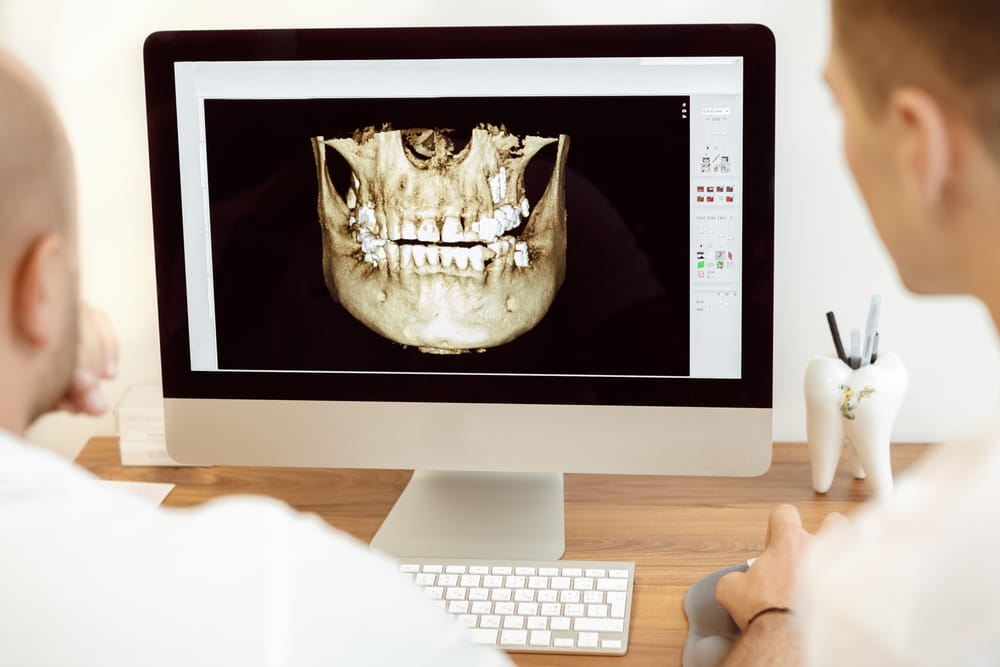
CBCT imaging gives your dental team a full 3D view of your jaw. It reveals bone density, nerve locations, and sinus positions. This scan lets the team plan exact placement angles before surgery starts.
The lab builds your temporary teeth from digital scans taken during consultation. These provisional restorations are ready before surgery day arrives. The moment your implants go in, temporary teeth attach on the spot.
What the Research Shows About Survival Rates
One systematic review covered over 10,000 immediately loaded implants. It found an overall implant survival rate of 96.39% across up to 13 years of follow-up. The study appeared in the International Journal of Periodontics & Restorative Dentistry.
Who Qualifies for Immediate Loading
Not every patient qualifies. You need adequate bone quality for immediate loading. Active gum disease requires treatment first. Your implant dentist reviews your health history, medications, and scans before confirming candidacy.
Smoking raises failure risk significantly. Certain medical conditions also slow healing. Your dental team weighs every factor during screening to make the right recommendation.
Bone quality matters most for candidacy. Patients with thin or soft jawbones may need bone grafting before qualifying. Your dentist determines this through the CBCT scan taken during your first visit.
Thorough planning starts with your 3D scans. Your dentist maps the ideal angle and depth for each post. This prep work separates smooth procedures from complicated ones.
When criteria are met, results stay predictable. You return to work and social life while healing happens quietly in the background.
All-on-4 Implant Technique for Full-Arch Restoration
Four strategically placed implants can anchor a full arch of replacement teeth. Instead of one implant per missing tooth, this method supports an entire set on just four posts. Full-mouth restoration becomes possible in one day.
How the Angled Implant Placement Works
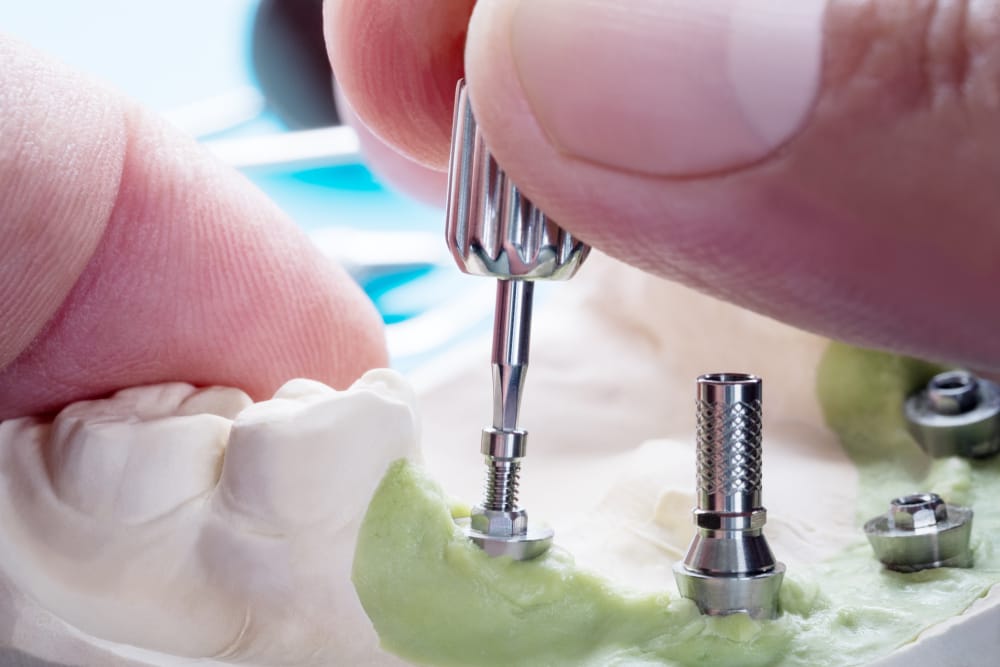
The back two implants angle at 45 degrees. This avoids the sinus cavity and grips denser bone. The front two go straight into bone that holds good density even after tooth loss. Together, the four posts spread chewing forces evenly across the jaw.
Digital planning makes this technique highly predictable. Your team maps jaw anatomy with 3D scans and designs temporary teeth before surgery day. Virtual surgical guides direct precise placement during the procedure. The lab prepares your provisional restoration in advance so nothing slows down surgery day.
What to Expect During the Procedure
Surgery typically uses local anesthesia. Sedation options are available for patients who want extra comfort. Your surgeon follows the digital guide, places each implant, and attaches temporary teeth. The entire process usually wraps up in three to four hours.
This approach fits people missing most or all teeth in one arch. The fixed design means zero slipping during meals or conversation. Implant-supported dentures provide a level of stability that removable options simply cannot match.
A four-year randomized trial found that digitally planned surgery produced lower during-surgery and post-surgery pain versus traditional methods. The Journal of Clinical Medicine reported these results. Ninety-two percent of patients rated their experience as highly effective.
Recovery Timeline and Cost Considerations
Recovery means a soft-food diet for several weeks. Your temporary teeth keep daily routines intact while the lab creates permanent restorations. Post-surgery instructions cover everything from food choices to brushing techniques. Patients with thin bone may need grafting before qualifying for this approach.
Using just four implants per arch keeps total costs below individual placement. Most patients find the out-of-pocket costs manageable given the long-term value.
Bone-to-Implant Integration and Final Restoration
After surgery, your jawbone starts growing around each titanium post. This bonding process, called osseointegration, takes three to six months. Temporary teeth keep you eating, speaking, and smiling normally during this window.
How Osseointegration Bonds Implants to Bone
Bone cells attach directly to the titanium surface. This connection can last decades with proper care. Integration quality shapes your long-term results.
A soft diet protects healing implants from excess force. Gentle brushing keeps tissues clean without disrupting the process. Your dentist schedules regular check-ups to track progress and catch issues early.
Healing speed depends on age, overall health, and how closely you follow post-op instructions. Smokers face higher complication risks. Most problems respond well to early treatment.
What Your Temporary Teeth Do During Healing
Temporary teeth do more than fill gaps. They preserve gum shape and shield implant sites during the critical bonding phase. They also keep your bite aligned so your jaw muscles stay balanced.
Transitioning to Your Permanent Restoration
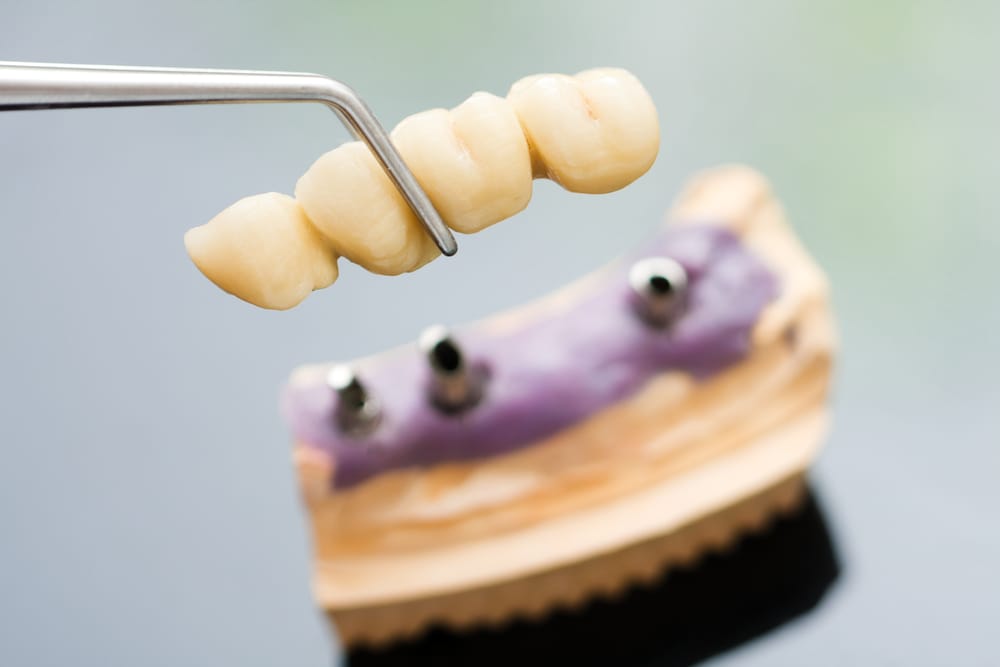
Once integration finishes, your dental team removes the temporaries and takes new digital scans. These scans guide fabrication of permanent crowns or bridges. Advanced ceramics and porcelain match your exact tooth shade and translucency.
Modern techniques produce restorations with better aesthetics and functional results than earlier approaches, as noted in Cureus. Your final teeth match natural ones in color, shape, and strength. Most patients cannot tell the difference once the permanent set is in place.
Ongoing care mirrors the routine for natural teeth. Brush, floss, and visit your dental office for professional cleanings. Consistent maintenance helps your restoration last for decades.
Advanced Digital Planning and Surgical Techniques
Digital dental technology has turned implant placement into precision medicine. CBCT imaging, intraoral scans, and planning software let your team map every detail before surgery begins.
How 3D Imaging Shapes Your Treatment Plan
The process starts with a detailed 3D image of your jaw. It shows bone density, nerve paths, and sinus positions. Software converts this data into a virtual surgical guide for exact placement.
The lab builds your temporary teeth before your procedure using digital scans. Your provisional restoration takes shape during the consultation phase. On surgery day, everything is ready for immediate attachment.
Guided Surgery for Millimeter-Level Precision
Surgical guides direct placement with millimeter accuracy. They remove guesswork about angles and depths. CBCT imaging with intraoral scanning produces a virtual treatment plan to guide placement with high precision. A Cureus case report confirmed this finding. This cuts both surgery time and tissue trauma.
Digital impressions replace messy traditional molds. Better accuracy creates better-fitting permanent teeth. Patients get more comfort and natural function from digitally planned treatment.
Why Digital Workflows Produce Better Outcomes
3D visualizations let you see your results before committing. You preview how your new teeth will look and function. This builds confidence and sets realistic healing expectations.
Quality control runs through every step of the workflow. Your team reviews and adjusts plans before any cutting starts. Lab technicians begin building restorations immediately from the digital file.
Modern guided techniques shrink incision size and reduce post-operative swelling. Smaller cuts heal faster and cause less discomfort than freehand methods. CT scans reveal every nerve, blood vessel, and sinus cavity your surgeon needs to avoid. This level of detail keeps the procedure safe and predictable for each patient.
Walk Out Smiling After Same Day Dental Implants
Same day dental implants offer a proven path to replacing missing teeth without months of waiting. Digital planning, immediate loading protocols, and quality materials create predictable outcomes backed by strong survival rates. You leave your appointment with functional teeth and renewed confidence.
This technology keeps improving every year, making treatment more comfortable and reliable for more people. If missing teeth or loose dentures hold you back, this could be the right solution for your situation. Many patients wish they had looked into it sooner.
Your next step is a simple conversation about your options. Explore our dental implants today!
FAQs
What is teeth in a day?
Teeth in a day is a procedure where your dentist places implants and attaches a full set of temporary teeth during one appointment. You skip the months-long gap between surgery and restoration. The temporary teeth function while your jawbone fuses with the implants over the next several months.
Who is eligible for same day dental implants?
Most adults with healthy gums and adequate jawbone density qualify. Your dentist checks bone quality with a CBCT scan and looks for conditions like uncontrolled diabetes or active gum disease. Smokers face higher risks but are not automatically ruled out. A thorough screening determines your specific candidacy.
Can you replace all your teeth with implants?
Yes. The All-on-4 technique uses four strategically angled implants to support an entire arch of fixed teeth. Your dentist can restore both the upper and lower arches in a single visit. This approach costs less than placing individual implants for each missing tooth and delivers strong, lasting results.
How do you get teeth in a day?
Start with a consultation where your dentist takes 3D scans and evaluates your bone density. If you qualify, the team digitally plans your implant placement and fabricates temporary teeth before surgery. On procedure day, your dentist places the implants and attaches your new teeth in one appointment.
Does dental insurance cover this type of procedure?
Coverage varies widely between insurance plans, so the answer depends on your specific provider. Some cover the implant portion but not the full restoration. Others offer partial reimbursement toward total costs. Your dental office can check your benefits and provide a pre-treatment estimate before you commit.
Citations/Sources:
- Overall implant survival rate of 96.39%, International Journal of Periodontics & Restorative Dentistry
- Lower during-surgery and post-surgery pain, Journal of Clinical Medicine
- Better aesthetics and functional results, Cureus
- A virtual treatment plan to guide placement, Cureus