
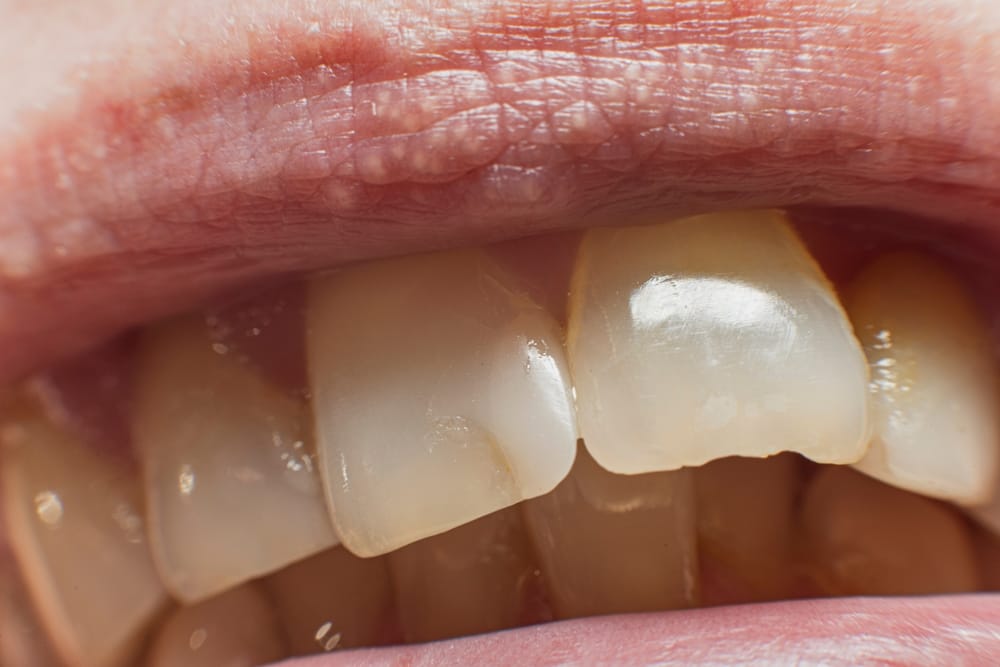
A chipped tooth crown is not the answer for every case of tooth damage. Some chips stay within the outer enamel and only need a quick bonding repair. Others reach deeper into the tooth and call for a full restoration to protect what remains. The right treatment depends entirely on how far the damage extends. A dental exam is the only reliable way to find out. This guide breaks down which repair matches which type of damage. It covers everything from small surface chips to fractures that reach the nerve.
Key Takeaways
- Small chips confined to enamel often only need composite bonding, not a full crown.
- Deeper chips reaching the dentin usually call for a dental crown for lasting protection.
- Same-day crown technology can restore a damaged tooth in a single office visit.
- Fractures that expose the pulp require root canal therapy before any restoration.
- A prompt dental exam is the only way to confirm which repair actually fits.
When a Broken Tooth is Just a Surface Problem
Dental damage falls into different categories based on how deep it goes. Doctors use this classification to decide which repair a tooth actually needs.
Craze Lines and Enamel-Only Damage
Craze lines sit at the mildest end of the scale. These are hairline cracks limited to the outer enamel layer, and most people never notice them without a dental exam.
These rarely cause pain and usually need no treatment beyond watching for enamel wear over time. According to StatPearls, most cases do not require treatment.
Composite Bonding for Minor Chips
When a chip removes visible enamel but stops short of the dentin beneath, composite bonding is the most conservative repair. A dentist applies tooth-colored resin to the chipped area and shapes it to match the surrounding tooth.
The material hardens under a curing light within minutes. Most bonding visits take less than an hour, and little to no tooth preparation is needed beforehand.
Saving and Reattaching a Broken Fragment
If you find the broken piece after an injury, save it for your appointment. Reattaching the original fragment with a bonding agent often looks more natural than a synthetic filling. It keeps the tooth’s original color and wear pattern intact.
What Causes a Chipped Tooth
Hard candy, ice, and other rigid foods cause many chipped teeth. Grinding your teeth at night can also weaken enamel over time, making chips more likely even from normal biting. Teeth with older fillings or existing wear face higher risk. Thinner enamel around old restorations creates stress points where a chip is more likely to start.
Surface chips rarely cause lasting sensitivity. Some people notice mild roughness against the tongue, but sharp pain is uncommon unless the chip is unusually large. Not every chip needs an aggressive fix. A dental exam confirms whether damage stays within the enamel or extends further. That finding shapes the entire treatment plan.
Choosing the Right Dental Restoration: Crowns, Veneers, and Same-Day Options
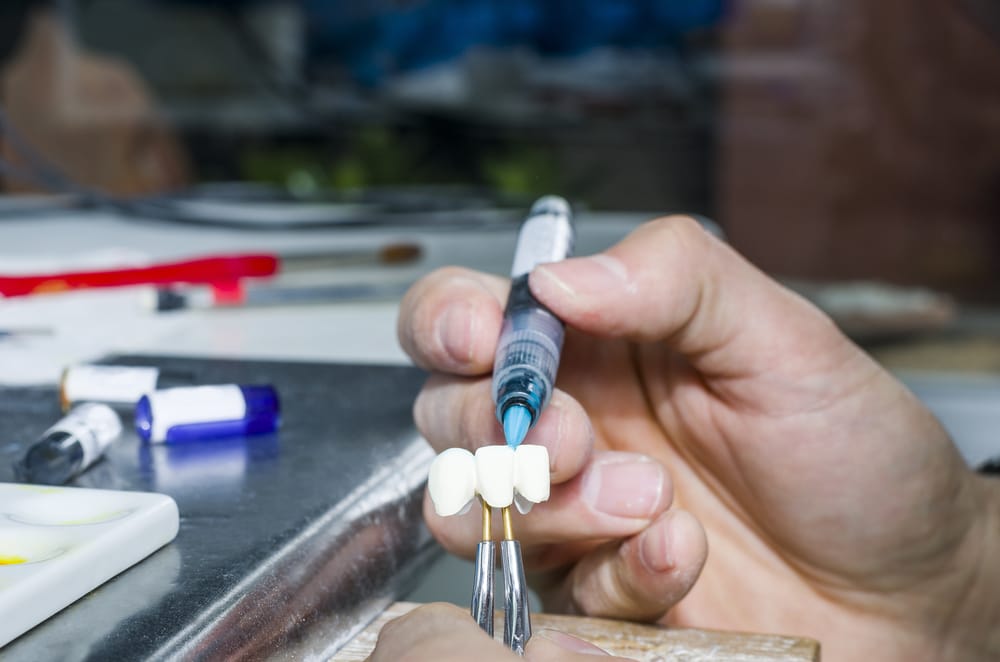
When a chip reaches the dentin or removes enough structure to affect stability, a full crown becomes the right repair. A crown covers the entire visible portion of the tooth above the gum line.
It restores both chewing function and appearance. It also protects the remaining natural tooth from further damage over time.
Types of Crown Materials
Several crown types are used in restorative dentistry today. Ceramic crowns and composite resin crowns match the color of nearby teeth. This makes them a good fit for front teeth.
Porcelain-based material has a level of translucency that closely mimics natural enamel. Metal crowns hold up better under heavy chewing pressure and typically go on back molars. Porcelain-fused-to-metal crowns combine a metal base with a porcelain outer layer. This gives a balance of strength and a natural appearance.
A dental laboratory often makes the crown, pairing it with a temporary crown while finishing the permanent one. The temporary crown protects the prepared tooth until the final restoration is ready.
Same-Day Crowns with CEREC and CAD/CAM
Same-day technology has changed this process for many patients. CEREC and CAD/CAM systems let dentists design and mill a crown from a ceramic block during one office visit.
A digital scan replaces the traditional impression material. This means no temporary crown and no second appointment. A retrospective study published in the Journal of Dentistry reported a mean survival rate of 95.5% after 5 years, with high patient satisfaction.
Porcelain Veneers and Crown Replacement
Porcelain veneers are worth considering when the structural loss is smaller and the concern is mainly cosmetic. A veneer only covers the front surface of the tooth, which preserves more of the natural structure than a crown.
Composite veneers and resin crowns fill the space between a simple bonding repair and a full ceramic crown. These options work well for cases that fall somewhere in between. Crown replacement becomes relevant when an older restoration chips, cracks, or loses its seal. The same evaluation process applies here as it does to a fresh injury.
A dental exam with digital imaging confirms whether an existing crown can be repaired. If not, the dentist plans a new one based on the tooth’s current condition.
Tooth Fracture, Root Canal Therapy, and When the Damage Goes Deeper
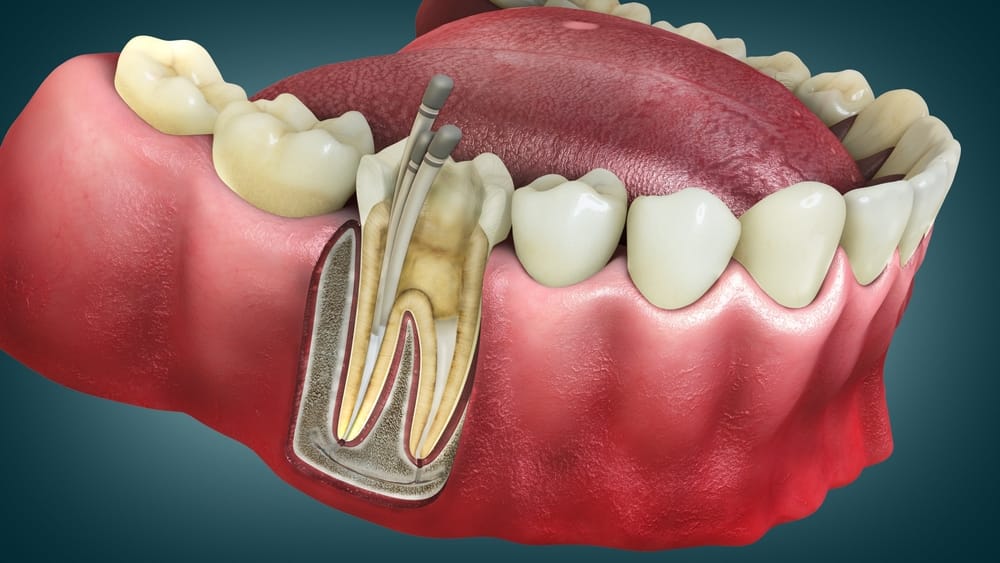
Some fractures do not stay near the surface. The pulp sits at the center of the tooth and holds its nerves and blood vessels.
When Root Canal Therapy Becomes Necessary
When a crack reaches the pulp, the tooth needs root canal therapy before dentists can restore it. Placing a permanent crown over an infected pulp would trap the problem rather than solve it.
Understanding Cracked Tooth Syndrome
Cracked tooth syndrome describes fracture lines that extend below the gum line. These cracks do not always show up clearly on a standard X-ray.
Dental professionals treat cracked tooth syndrome as a distinct clinical challenge. The crack itself can be hard to locate. The American Association of Endodontists notes that the pain may come and go, which makes the problem easy to miss without a thorough exam.
Sharp pain when biting or sensitivity to temperature can appear, then disappear for days. This pattern makes cracked tooth syndrome easy to overlook.
Crown Lengthening and Full-Coverage Restoration
When a crack extends below the gum line, dentists may recommend crown lengthening first. This procedure adjusts the gum and bone level to expose more tooth structure for the crown to bond to.
After that, a full-coverage restoration follows. A study in BMC Oral Health found success rates as high as 97.8% in the first year. If the remaining tooth structure cannot hold the crown alone, dentists add support. A metal post goes inside the root canal space for extra strength.
Diagnosis, Waiting, and Aftercare
Stress points are what make cracked tooth syndrome so unpredictable. A tooth may feel fine one day and hurt sharply the next, depending on how pressure shifts during chewing.
A prompt dental exam with digital imaging is the most reliable way to find a fracture. It also shows how deep the crack runs, which helps determine the right repair. Waiting too long raises the risk that a crack will spread further. This can turn a tooth that could have been saved into one that cannot.
A dental crown follows root canal therapy once it’s complete, restoring function and protecting the treated root. Good oral hygiene afterward matters just as much as the restoration itself. Brushing with fluoride toothpaste, flossing daily, and keeping up with regular checkups all support long-term outcomes. These habits give a treated tooth the best chance of lasting for years.

Bonding, Crown, or Root Canal: What Your Chipped Tooth Crown Needs
A chipped tooth crown is not the answer for every case. It becomes the right choice once damage reaches the dentin or affects the tooth’s stability.
Small surface chips often heal well with simple bonding. Deeper fractures may need root canal therapy before any restoration goes in. The safest way to know which path fits your tooth is a hands-on look from a dental professional.
Waiting on a cracked or chipped tooth rarely helps. Damage tends to spread further under normal biting pressure. Wearing a mouth guard during sports or sleep can lower your risk of repeat injury. Regular checkups also catch small problems before they turn into bigger, costlier ones.
If you’re unsure whether your chip needs bonding, a crown, or something more, the next step is simple- schedule your dental exam with us today!
FAQs
How do you fix a cracked tooth?
Treatment depends on how deep the crack runs. Shallow cracks in enamel may only need smoothing or bonding. Cracks reaching the dentin or pulp often require a crown or root canal therapy. A dental exam with digital imaging is the only way to confirm which repair fits your specific crack.
How do you fix a chipped tooth at home?
There’s no real at-home fix for a chipped tooth. Temporary dental wax or an over-the-counter repair kit can smooth a sharp edge and ease irritation until your appointment. These are stopgap measures only. See a dentist as soon as possible to restore the tooth and prevent further damage properly.
Can cracks in teeth be fixed?
Yes, most cracked teeth can be treated successfully, especially when caught early. Minor cracks often respond well to bonding or a crown. Deeper cracks reaching the pulp may need root canal therapy first. Waiting too long raises the risk that a crack will spread, so a prompt dental exam matters.
Do chipped teeth heal on their own?
No, a chipped tooth cannot heal itself the way skin or bone does. Enamel and dentin don’t regenerate once damaged. Left untreated, a small chip can worsen over time, expose sensitive layers, or lead to infection. Professional treatment, like bonding or a crown, is needed to restore the tooth.
How does a dental restoration get cracked?
Existing crowns and fillings can crack from biting hard foods, ice, or nighttime grinding. Age and wear also weaken restorations over time, creating stress points at the edges. A dental exam with digital imaging can confirm whether a cracked restoration needs repair or full replacement.
Citations/Sources:
- StatPearls: Most cases do not require treatment
- Journal of Dentistry: Mean survival rate of 95.5% after 5 years
- American Association of Endodontists: The pain may come and go
- BMC Oral Health: Success rates as high as 97.8%