

Tooth bonding rarely hurts. The procedure uses composite resin applied directly to your enamel. There’s little to no drilling involved, and most patients need no anesthesia at all.
This guide breaks down what the treatment feels like from start to finish. You’ll learn how long each step takes and what happens once you leave the chair. We’ll also cover when it’s safe to eat again and how bonding compares to veneers, crowns, and other restorations.
Key Takeaways
- Dental bonding is one of the least invasive dental procedures available, and most patients do not need local anesthesia.
- The procedure follows a clear, predictable sequence: etch, bond, sculpt, cure, polish, and it takes 30 to 60 minutes per tooth, entirely chairside.
- Post-treatment sensitivity is mild and short-lived for most patients, and you can eat the same day with a few simple precautions.
- Tooth bonding combines speed, comfort, and natural-looking results, making it the most accessible cosmetic option for patients who want to restore their smile without extensive preparation.
- Get answers to the most common questions about how bonding compares to veneers, crowns, bridges, and other restorations.
Is dental bonding actually painful? What Patients Feel During the Dental Procedure
Dental bonding is one of the most comfortable procedures a dentist performs. The dental team applies composite resin directly to the enamel surface, with only minimal preparation needed. Because of that, the procedure rarely calls for local anesthesia.
That’s a real difference from cavity fillings or other dental work. Drilling into tooth structure almost always requires numbing. Bonding skips that step in most cases.
Most patients feel light pressure as the dental team shapes the material against their tooth. There’s no drilling, no real enamel removal, and no injection in most cases. For anyone with dental anxiety, that combination makes bonding one of the more approachable options out there.
There are situations where anesthesia still makes sense. If the bonding sits near the gum tissue, that area can feel more sensitive to contact.
If a tooth has decay close to the pulp, treatment may call for numbing first. Deeper cavities carry a higher chance of sensitivity, as research published in the Journal of Dentistry explains: as the depth of the prepared cavities increased. The team often applies a topical numbing gel first to ease discomfort from the injection.
Patients with gum disease or more advanced decay may have a different experience than those with healthy enamel. Your dental team will check your oral health first and explain what to expect for your specific case.
Does cosmetic dental bonding require numbing gel or sedation options?
Most patients need neither numbing gel nor sedation for cosmetic bonding. The procedure involves no drilling and only light contact with sensitive tooth structures. Sedation options remain available at the office for anyone who feels anxious about dental work. The minimal preparation involved in bonding is the main reason anesthesia rarely comes into play.
What Happens Step by Step: Tooth Preparation, Dental Etch, Curing Light & Composite Resin
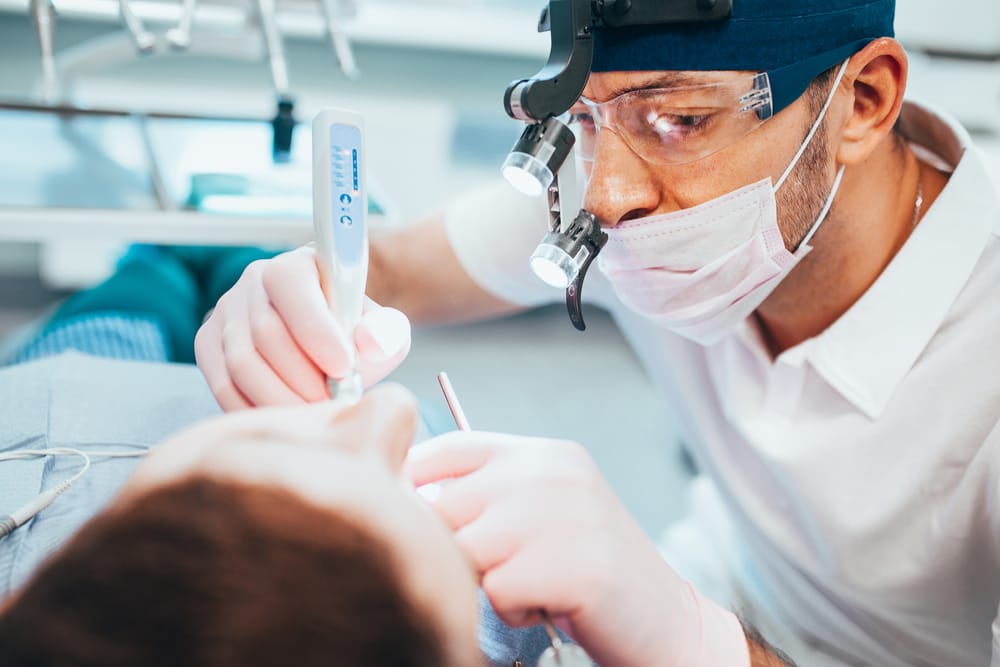
Bonding takes about 30 to 60 minutes per tooth and happens entirely in one visit. You won’t need impressions sent to a lab, a temporary restoration, or a second appointment to seat the final result. The clinician shapes the resin directly on your tooth, in real time.
The process starts with a dental etch. Your dental team applies a mild acid to the enamel for roughly 15 to 30 seconds. This roughens the surface so the bonding agent has something to grip. Once the etch rinses away and the tooth dries, a liquid bonding agent goes on and sets briefly.
Next, the team places composite resin in small, sculpted layers. The material stays soft and tooth-colored at this stage. That lets the clinician shape it to match your tooth’s natural contour.
Each layer hardens under a curing light in about 20 seconds. Layering and curing continue until the tooth reaches the right shape and volume. A case report in the Journal of Dental Research, Dental Clinics, Dental Prospects describes composite restorations completed in a single visit in the dental clinic.
Once every layer cures, the team refines the shape with finishing tools. Then they polish the surface to blend with your other teeth. The result matches the color and texture of your natural tooth, without any lab work or repeat visits.
This is what sets bonding apart from restorations like veneers or permanent crowns. Those options need impressions sent to an outside lab, which adds days or weeks to the process. Bonding skips that step entirely. The clinician shapes the restoration by hand, right there in the appointment, using composite resin directly on the tooth.
How does bonding compare to veneers crowns, and dental bridges?
Cosmetic veneers and permanent crowns both require removing some natural tooth structure before placement. Dental bridges call for reshaping the teeth on either side of the gap to support the restoration. Bonding requires none of that.
Your dental team adds the resin to your existing tooth surface instead of replacing it. That distinction matters for patients who want to keep as many natural teeth as possible. Bonding can still improve the appearance of their smile.
Glass ionomer is another material sometimes used in restorations, but resin composite remains the standard choice for cosmetic bonding. It color-matches closely to your enamel and polishes to a natural finish. Ceramic fillings serve a similar purpose in some cases, but dental labs fabricate them outside the office, unlike chairside bonding.
Eating, Oral Hygiene & Post-Treatment Sensitivity: What to Expect After Dental Bonding
Post-treatment sensitivity after bonding is usually mild and doesn’t last long. A practice-based clinical study in Compendium of Continuing Education in Dentistry found that most composite restorations produced zero sensitivity within the first week after placement, with 71% of the restorations were rated 0. By the six-month mark, nearly all sensitivity in that group had cleared up.
You can eat the same day as your procedure. Stick to soft foods for the first 24 to 48 hours while the material fully sets. Hard, crunchy, or chewy foods put pressure on the restoration before it’s ready.
Dark drinks like coffee, tea, and red wine are worth skipping during that window too. The surface can pick up pigment more easily right after placement.
After that first day or two, most patients go back to eating normally. The bonded tooth should feel and work like any other tooth, and your everyday routine can carry on as usual.
Full Healing and Long-Term Oral Hygiene for Your Bonded Tooth
Deeper restorations placed near the dentin layer may cause slightly more noticeable sensitivity. It’s still short-lived, usually fading within a few days to a month. The timeline depends on how close the work sits to the pulp.
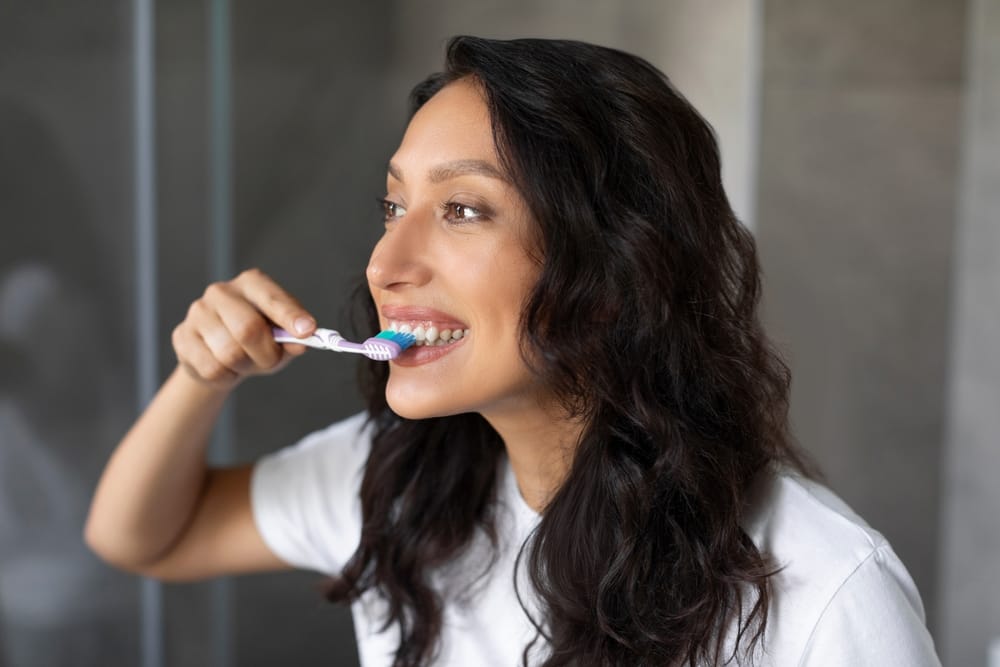
A few habits protect the bonded tooth over time. Use a soft-bristled toothbrush instead of a firm one, since hard brushing wears down the composite surface. Interproximal brushes help clean around the edges of the bonded area, especially where the restoration reaches between two teeth. Routine dental cleaning appointments let your dental team monitor the restoration and catch early signs of decay or gum disease.
The bonded surface might feel a little different at first. Patients often notice the new shape with their tongue for the first day or two. That sensation is normal, and it fades as you adjust.
A post-procedure checkup gives your dental team a chance to confirm the bonding settled correctly and check your bite. It’s a simple step that supports the long-term health of the restoration.
Tooth Bonding: Fast, Comfortable, and Ready When You Are
[IMAGE PLACEMENT intent=”patient admiring a bright, confident smile in a mirror” type=”section” avoid=”needles, drilling, blood, scary dental tools”]
Tooth bonding checks every box for patients who want a fast, comfortable fix without a long commitment. The procedure rarely needs anesthesia and takes 30 to 60 minutes per tooth. It wraps up in a single chairside visit and skips lab work entirely. Sensitivity afterward is typically mild and fades quickly, and you can eat the same day again.
For chips, gaps, or uneven teeth, bonding offers a comfortable path to a restored smile. It skips the tooth removal that crowns or veneers require. If you’re curious whether bonding fits your situation, explore our dental services today!
FAQs
What is tooth bonding?
Tooth bonding is a cosmetic dental procedure that uses tooth-colored composite resin to repair chips, gaps, or discoloration. Your dentist applies the resin directly to your enamel, shapes it to match your natural tooth, and hardens it with a curing light, all in one simple visit.
How much does tooth bonding cost?
Bonding costs vary depending on how many teeth need treatment and the extent of the repair. It’s generally one of the more affordable cosmetic options compared to veneers or crowns, since it skips lab fees entirely. Your dentist can give you an accurate quote after a quick consultation.
How long does tooth bonding last?
Bonding typically lasts several years with proper care, though the exact timeline depends on your habits and how many teeth were treated. Avoiding hard foods, nail-biting, and heavy staining drinks helps the material hold up longer. Your dentist can advise on touch-ups if the resin wears down.
How long does tooth bonding take?
Bonding is one of the fastest cosmetic dental procedures available. Each tooth takes about 30 to 60 minutes to complete, and the entire process happens in a single chairside visit. There’s no waiting for a lab, no temporary restoration, and no second appointment needed.
How does tooth bonding compare to veneers in terms of tooth removal?
Cosmetic veneers require removing a thin layer of enamel. A retrospective evaluation in Bioengineering notes that even durable porcelain options carry some risk, since limited longevity can affect the final aesthetic outcome over time. Bonding needs no enamel removal in most cases and finishes in one visit without lab work.
Citations/Sources:
- Unemori et al., Journal of Dentistry, “as the depth of the prepared cavities increased“
- Korkut, Journal of Dental Research, Dental Clinics, Dental Prospects, “in a single visit in the dental clinic“
- Berkowitz et al., Compendium of Continuing Education in Dentistry, “71% of the restorations were rated 0“
- Zarow et al., Bioengineering, “limited longevity can affect the final aesthetic outcome“